Elisabeth Theresia Widmer – författare
Visar alla böcker från författaren Elisabeth Theresia Widmer. Handla med fri frakt och snabb leverans.
6 produkter
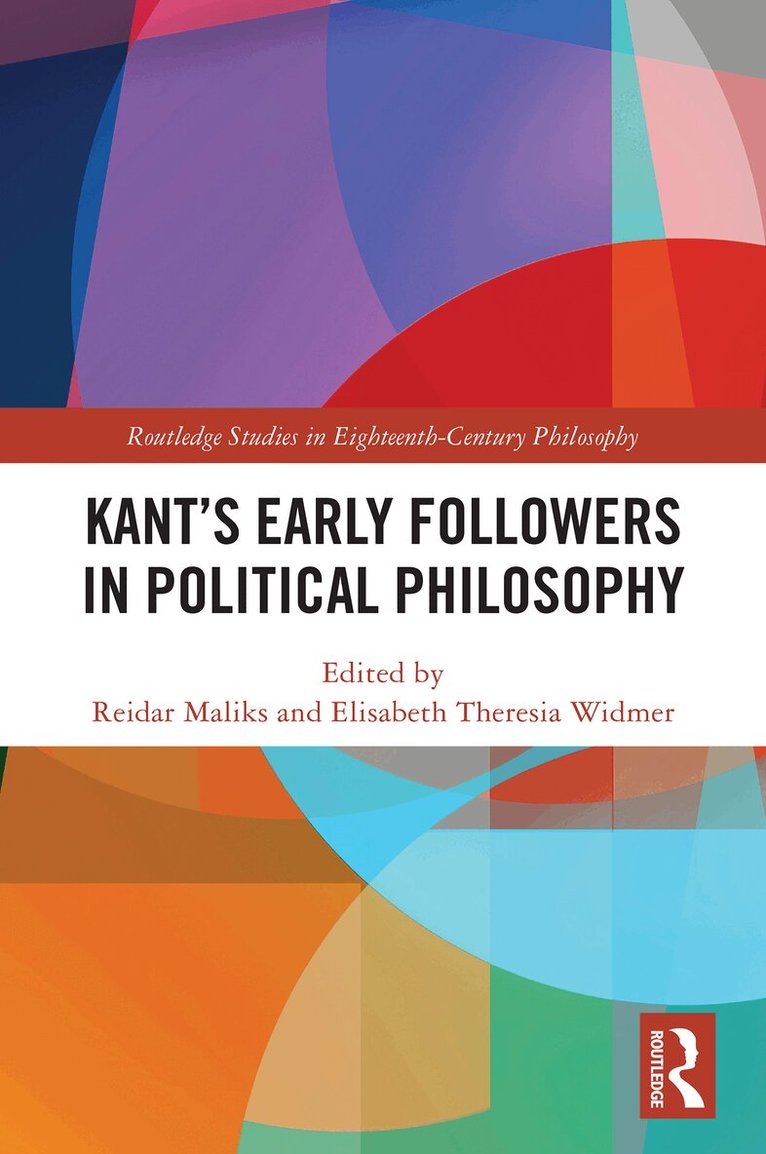
Kant’s Early Followers in Political Philosophy
Av Reidar Maliks, Elisabeth Theresia Widmer
Häftad, 2026
705 kr
Lägg i varukorg
Immanuel Kant influenced a large and productive group of political philosophers in the 1790s. This volume argues that they brought out more fully the egalitarian principles of Kantian republicanism.“The Kantian school” featured young philosophers including Saul Ascher, Johann Adam Bergk, Johann …
Kant’s Early Followers in Political Philosophy
Av Reidar Maliks, Elisabeth Theresia Widmer
Inbunden, 2025
2510 kr
Lägg i varukorg
Immanuel Kant influenced a large and productive group of political philosophers in the 1790s. This volume argues that they brought out more fully the egalitarian principles of Kantian republicanism.“The Kantian school” featured young philosophers including Saul Ascher, Johann Adam Bergk, Johann …
Kant's Early Followers in Political Philosophy
Av Elisabeth Theresia Widmer, Reidar Maliks
E-bok, 2025
813 kr
Lägg i varukorg
Immanuel Kant influenced a large and productive group of political philosophers in the 1790s. This volume argues that they brought out more fully the egalitarian principles of Kantian republicanism. “The Kantian school” featured young philosophers including Saul Ascher, Johann Adam Bergk, Johann …
Kant's Early Followers in Political Philosophy
Av Elisabeth Theresia Widmer, Reidar Maliks
E-bok, 2025
831 kr
Lägg i varukorg
Immanuel Kant influenced a large and productive group of political philosophers in the 1790s. This volume argues that they brought out more fully the egalitarian principles of Kantian republicanism. “The Kantian school” featured young philosophers including Saul Ascher, Johann Adam Bergk, Johann …
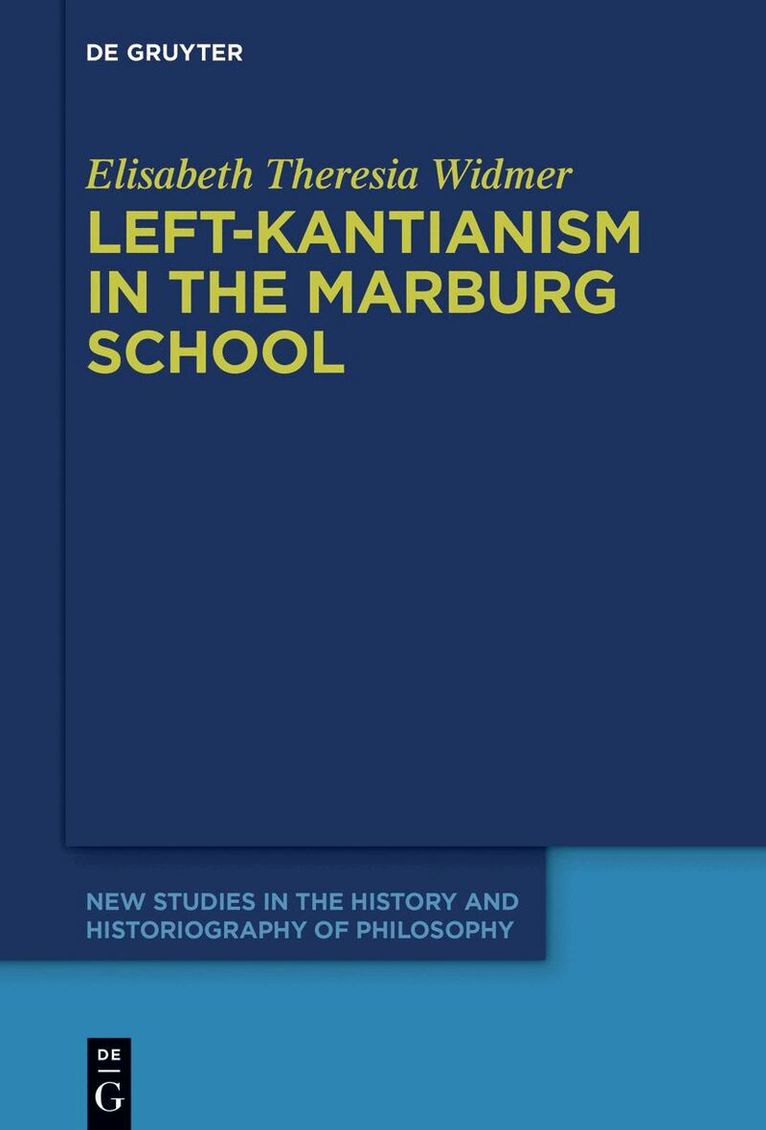
Left-Kantianism in the Marburg School
Inbunden, 2023
1644 kr
Lägg i varukorg
Widmer sheds light on a neglected aspect of the Western philosophical tradition. Following an era of Hegelianism, the members of the neo-Kantian "Marburg School," such as Friedrich Albert Lange, Hermann Cohen, Rudolf Stammler, Paul Natorp, and Ernst Cassirer defended socialism or left-wing ideals …