Élisabeth Vallet - Böcker
Visar alla böcker från författaren Élisabeth Vallet. Handla med fri frakt och snabb leverans.
6 produkter
6 produkter
2 096 kr
Skickas inom 10-15 vardagar
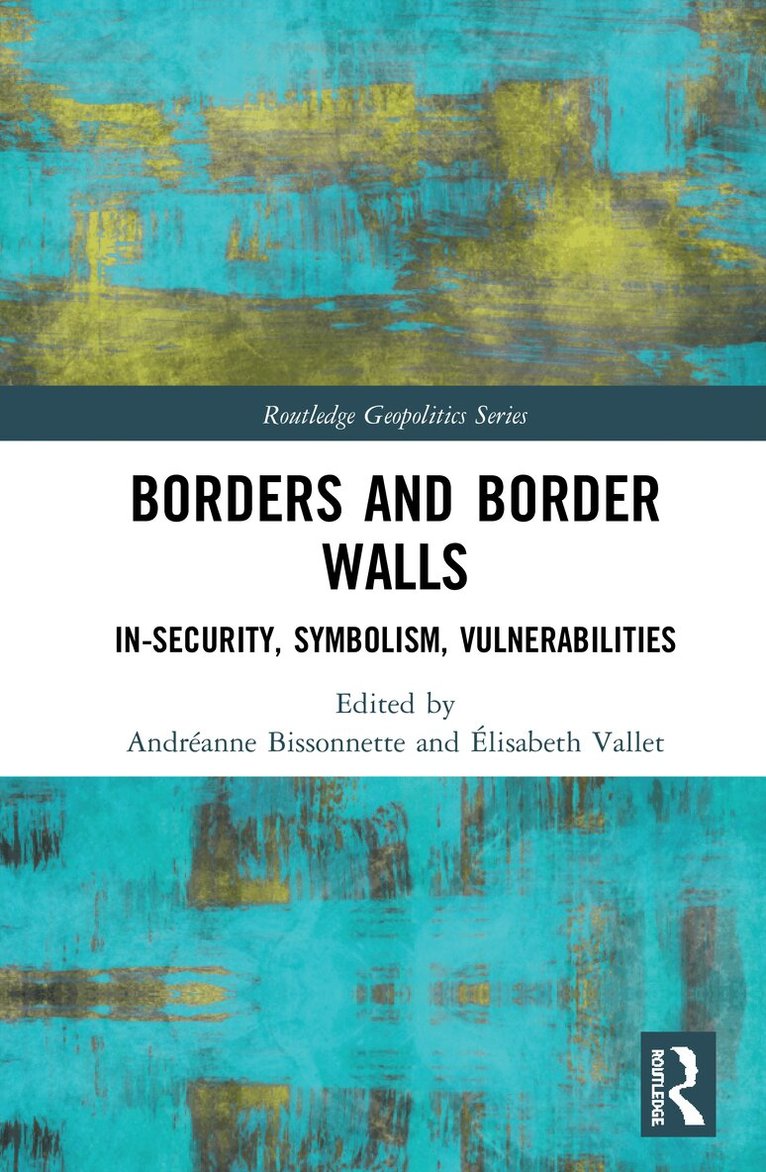
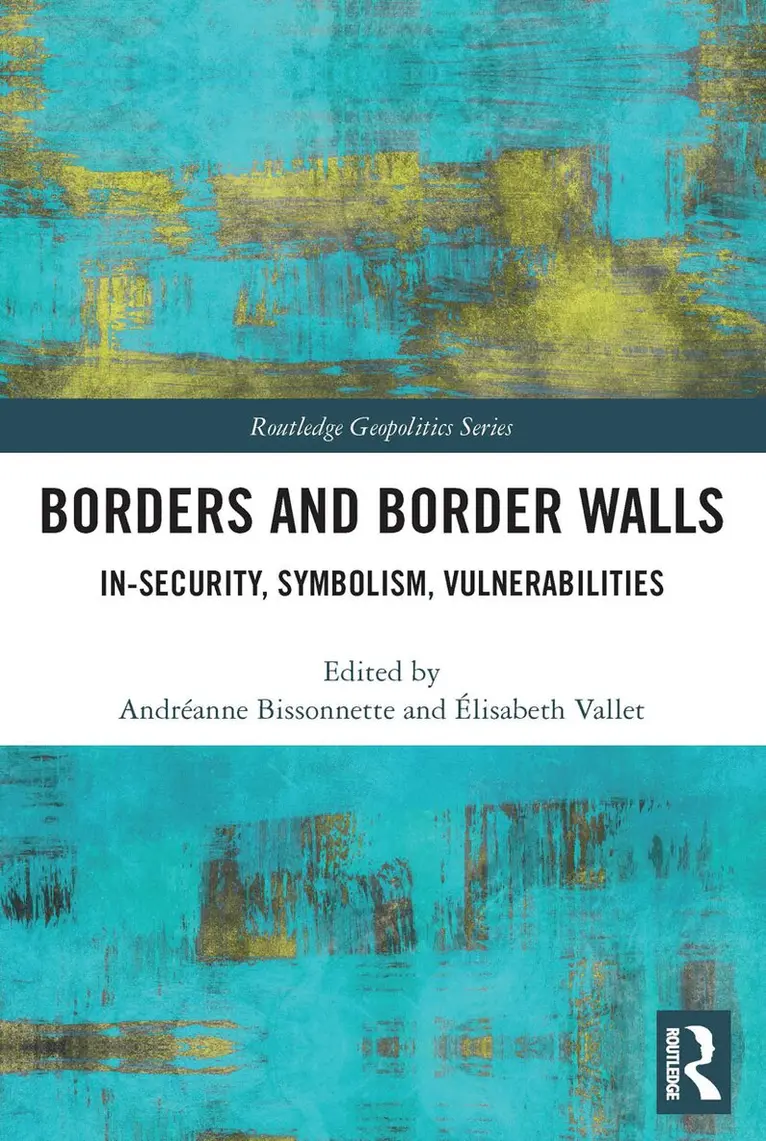
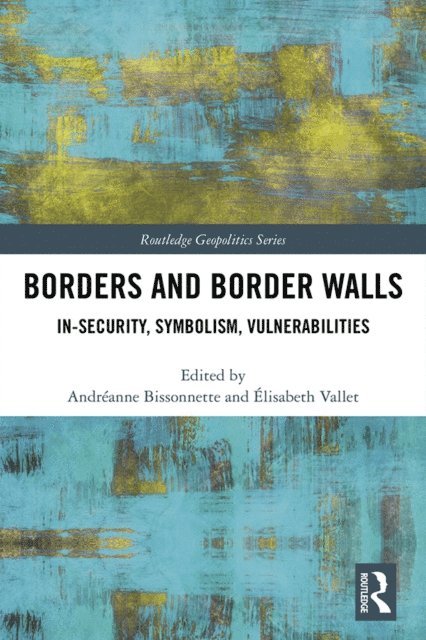
This book addresses the recent evolution of borderlines around the world as an attempt to control transnational movements with a view to securitization of borders rooted in the need to control mobility and preserve national identities.This book moves beyond physical borders and studies new manifestations of borders such as technological and symbolic walls. It brings together scholars from various academic fields such as geography, political science, and border studies to examine the various movements, functions and articulations of international borders. It explores two main issues: how international borders have become enforced lines of demarcation and division, reinforcing national identity and impacting national and regional dynamics; and the material and immaterial, discursive and concrete expressions of borders and the impacts of the transformation of bodies into threat to be monitored, as daily lives become sites of border enforcement.Offering multidisciplinary insights on the growing phenomenon of border walls, this book will be of interest to undergraduate and postgraduate students of Border Studies, European Studies, International Relations, Political Geography, and Regional Studies.
613 kr
Skickas inom 10-15 vardagar
This book addresses the recent evolution of borderlines around the world as an attempt to control transnational movements with a view to securitization of borders rooted in the need to control mobility and preserve national identities.This book moves beyond physical borders and studies new manifestations of borders such as technological and symbolic walls. It brings together scholars from various academic fields such as geography, political science, and border studies to examine the various movements, functions and articulations of international borders. It explores two main issues: how international borders have become enforced lines of demarcation and division, reinforcing national identity and impacting national and regional dynamics; and the material and immaterial, discursive and concrete expressions of borders and the impacts of the transformation of bodies into threat to be monitored, as daily lives become sites of border enforcement.Offering multidisciplinary insights on the growing phenomenon of border walls, this book will be of interest to undergraduate and postgraduate students of Border Studies, European Studies, International Relations, Political Geography, and Regional Studies.
371 kr
Skickas inom 7-10 vardagar
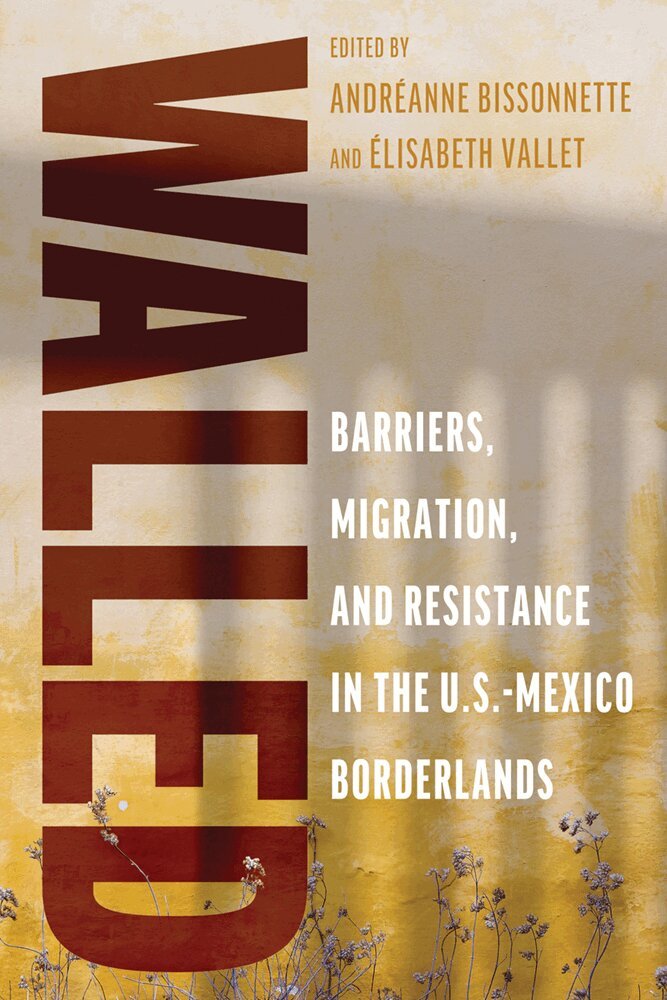
In 1993, then-U.S. President Bill Clinton oversaw the construction of the first stretch of the U.S.-Mexico border walls. Since that pivotal moment, every subsequent U.S. president has allowed for the construction of additional miles of walls or fences. Despite his initial pledge to halt the expansion of border walls, in July 2022, President Joe Biden authorized the construction of new sections in four locations within Arizona. This decision underscores the enduring complexity and contentious nature of the U.S.-Mexico border infrastructure. From the bustling San Diego–Tijuana region to the borderlands of Brownsville-Matamoros, the U.S.-Mexico border is marked by extensive stretches of walls. Over the past thirty years, these walls have evolved from purely physical barriers into multifaceted systems encompassing administrative, legal, legislative, and biometric components. This volume invites readers to reflect on the transformations of the border since the construction of the initial fourteen miles of wall, and the subsequent addition of 1,940 miles. It provides a comprehensive exploration of the border’s evolution, and its profound and lasting impacts. Bringing together recognized scholars in border studies, Walled delves into the varied manifestations and lived experiences associated with U.S.-Mexico border walls. The introduction by AndrÉanne Bissonnette and Élisabeth Vallet offers a thorough review of the border walls’ thirty-year history, placing it within a global context. Contributions offer diverse perspectives of the border experience, from state policies and migrant experiences to the daily lives of border residents. Topics such as militarization, migration, artistic resistance, and humanitarian aid are carefully examined. This volume is an essential resource for policymakers, activists, scholars, and anyone seeking to understand the intricate realities of border communities and the far-reaching consequences of border policies.ContributorsSusana BÁez-AyalaAndrÉanne BissonnetteMathilde BourgeonSilvia M. ChÁvez-BarayIrasema CoronadoThalia D’Aragon-GiguÈreErin HoekstraAnthony JimenezT. Mark MontoyaEva M. MoyaScott NicolHÉctor Antonio Padilla DelgadoLisa Sun-Hee ParkTony PayanPatricia Ravelo-BlancasDavid A. ShirkAllyson TeagueÉlisabeth Vallet
1 085 kr
Skickas inom 7-10 vardagar
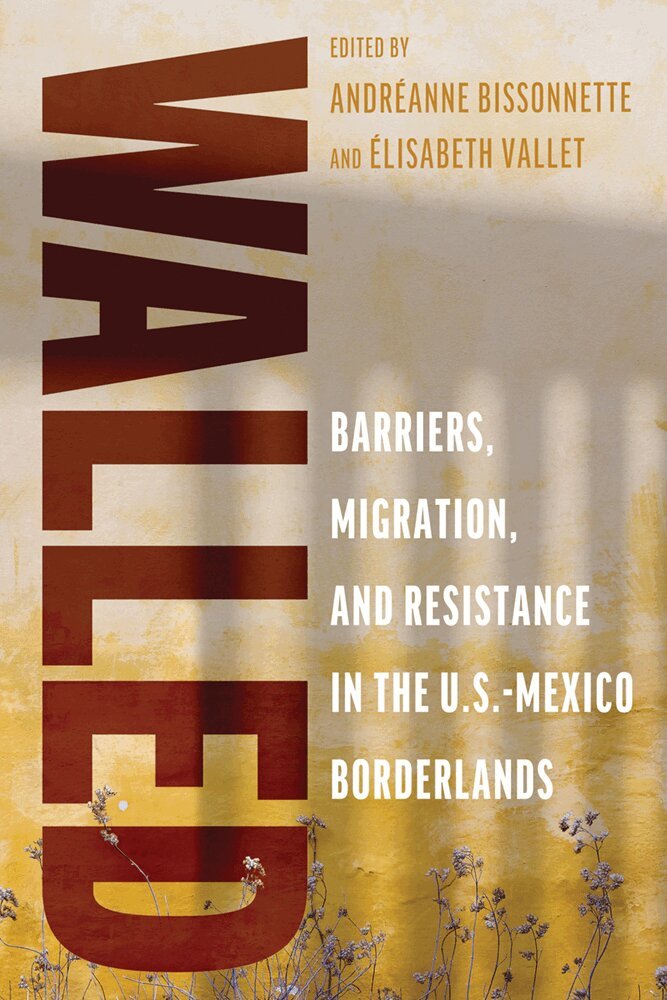
In 1993, then-U.S. President Bill Clinton oversaw the construction of the first stretch of the U.S.-Mexico border walls. Since that pivotal moment, every subsequent U.S. president has allowed for the construction of additional miles of walls or fences. Despite his initial pledge to halt the expansion of border walls, in July 2022, President Joe Biden authorized the construction of new sections in four locations within Arizona. This decision underscores the enduring complexity and contentious nature of the U.S.-Mexico border infrastructure. From the bustling San Diego–Tijuana region to the borderlands of Brownsville-Matamoros, the U.S.-Mexico border is marked by extensive stretches of walls. Over the past thirty years, these walls have evolved from purely physical barriers into multifaceted systems encompassing administrative, legal, legislative, and biometric components. This volume invites readers to reflect on the transformations of the border since the construction of the initial fourteen miles of wall, and the subsequent addition of 1,940 miles. It provides a comprehensive exploration of the border’s evolution, and its profound and lasting impacts. Bringing together recognized scholars in border studies, Walled delves into the varied manifestations and lived experiences associated with U.S.-Mexico border walls. The introduction by AndrÉanne Bissonnette and Élisabeth Vallet offers a thorough review of the border walls’ thirty-year history, placing it within a global context. Contributions offer diverse perspectives of the border experience, from state policies and migrant experiences to the daily lives of border residents. Topics such as militarization, migration, artistic resistance, and humanitarian aid are carefully examined. This volume is an essential resource for policymakers, activists, scholars, and anyone seeking to understand the intricate realities of border communities and the far-reaching consequences of border policies.ContributorsSusana BÁez-AyalaAndrÉanne BissonnetteMathilde BourgeonSilvia M. ChÁvez-BarayIrasema CoronadoThalia D’Aragon-GiguÈreErin HoekstraAnthony JimenezT. Mark MontoyaEva M. MoyaScott NicolHÉctor Antonio Padilla DelgadoLisa Sun-Hee ParkTony PayanPatricia Ravelo-BlancasDavid A. ShirkAllyson TeagueÉlisabeth Vallet
667 kr
Skickas inom 10-15 vardagar
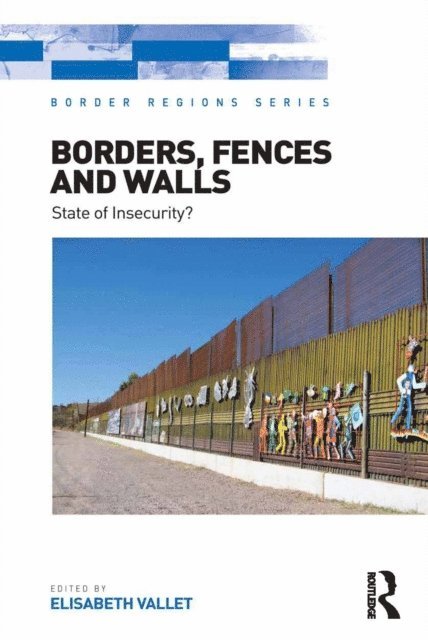
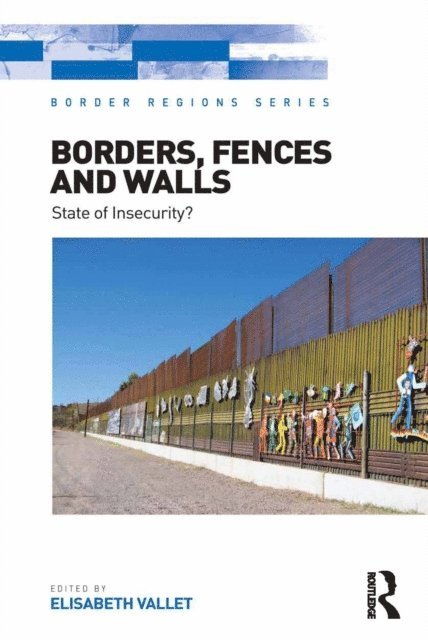
Twenty years after the fall of the Berlin Wall, the question remains ’Do good fences still make good neighbours’? Since the Great Wall of China, the Antonine Wall, built in Scotland to support Hadrian's Wall, the Roman ’Limes’ or the Danevirk fence, the ’wall’ has been a constant in the protection of defined entities claiming sovereignty, East and West. But is the wall more than an historical relict for the management of borders? In recent years, the wall has been given renewed vigour in North America, particularly along the U.S.-Mexico border, and in Israel-Palestine. But the success of these new walls in the development of friendly and orderly relations between nations (or indeed, within nations) remains unclear. What role does the wall play in the development of security and insecurity? Do walls contribute to a sense of insecurity as much as they assuage fears and create a sense of security for those 'behind the line'? Exactly what kind of security is associated with border walls? This book explores the issue of how the return of the border fences and walls as a political tool may be symptomatic of a new era in border studies and international relations. Taking a multidisciplinary approach, this volume examines problems that include security issues ; the recurrence and/or decline of the wall; wall discourses ; legal approaches to the wall; the ’wall industry’ and border technology, as well as their symbolism, role, objectives and efficiency.
1 928 kr
Skickas inom 10-15 vardagar
Twenty years after the fall of the Berlin Wall, the question remains ’Do good fences still make good neighbours’? Since the Great Wall of China, the Antonine Wall, built in Scotland to support Hadrian's Wall, the Roman ’Limes’ or the Danevirk fence, the ’wall’ has been a constant in the protection of defined entities claiming sovereignty, East and West. But is the wall more than an historical relict for the management of borders? In recent years, the wall has been given renewed vigour in North America, particularly along the U.S.-Mexico border, and in Israel-Palestine. But the success of these new walls in the development of friendly and orderly relations between nations (or indeed, within nations) remains unclear. What role does the wall play in the development of security and insecurity? Do walls contribute to a sense of insecurity as much as they assuage fears and create a sense of security for those 'behind the line'? Exactly what kind of security is associated with border walls? This book explores the issue of how the return of the border fences and walls as a political tool may be symptomatic of a new era in border studies and international relations. Taking a multidisciplinary approach, this volume examines problems that include security issues ; the recurrence and/or decline of the wall; wall discourses ; legal approaches to the wall; the ’wall industry’ and border technology, as well as their symbolism, role, objectives and efficiency.