Elissa J. Rashkin – författare
Visar alla böcker från författaren Elissa J. Rashkin. Handla med fri frakt och snabb leverans.
5 produkter
5 produkter
Häftad, Engelska, 2001
314 kr
Skickas inom 5-8 vardagar
Women filmmakers in Mexico were rare until the 1980s and 1990s, when women began to direct feature films in unprecedented numbers. Their films have won acclaim at home and abroad, and the filmmakers have become key figures in contemporary Mexican cinema. In this book, Elissa Rashkin documents how and why women filmmakers have achieved these successes, as she explores how the women's movement, film studies programs, governmental film policy, and the transformation of the intellectual sector since the 1960s have all affected women's filmmaking in Mexico.After a historical overview of Mexican women's filmmaking from the 1930s onward, Rashkin focuses on the work of five contemporary directors-Marisa Sistach, Busi CortÉs, Guita Schyfter, MarÍa Novaro, and Dana Rotberg. Portraying the filmmakers as intellectuals participating in the public life of the nation, Rashkin examines how these directors have addressed questions of national identity through their films, replacing the patriarchal images and stereotypes of the classic Mexican cinema with feminist visions of a democratic and tolerant society.
Häftad, Engelska, 2011
703 kr
Skickas inom 10-15 vardagar
In the aftermath of the Mexican Revolution, Stridentism (estridentismo) burst on the scene in the 1920s as an avant-garde challenge to political and intellectual complacency. Led by poets Manuel Maples Arce, Germán List Arzubide, and Salvador Gallardo, prose writer Arqueles Vela, painters Fermín Revueltas, Ramón Alva de la Canal, Leopoldo Méndez, and Jean Charlot, and sculptor Germán Cueto, the Stridentists rejected academic conservatism, celebrated modernity and technological novelties such as the radio, cinema and the airplane, and sought to transform not only written and visual language but also everyday life through the creation of new aesthetic spaces and new approaches to the urban environment. From 1921 to 1927, they issued manifestos, published magazines and books, organized performances, and served as a critical force in Mexican art and literature that was known and admired in intellectual circles throughout the Americas. Initially active in Mexico City and Puebla, Stridentism reached its peak in Xalapa, Veracruz, where its members collaborated with the state government to the extent that critics accused them of "stridentizing" the state. By 1928 the movement had dispersed, but its iconoclastic spirit lived on in other forms, merging into and influencing other movements of the 1930s and beyond.This book is a history of Stridentism as a multifaceted cultural movement deeply imbued with the spirit of 1920s Mexico. Bringing together original interdisciplinary research and critical analysis, it explores the ways in which the Stridentists pushed the limits of the collective imagination in an era of conflict and change.
E-bok
Spanska, 201581 kr
Läs direkt efter köp
El estridentismo fue un movimiento artístico surgido en México en 1921 y liderado por el poeta Manuel Maples Arce; en él confluyeron tanto literatos, como pintores y artistas plásticos, en un verdadero frente cultural multidisciplinario. Esta obra ofrece al lector una visión de conjunto al movimiento que abarca desde las corrientes que lo influyeron, hasta los modernos homenajes a su legado, deteniéndose en sus figuras más icónicas. De tal manera, este libro es un vasto repaso histórico a la vanguardia estridentista y el contexto cultural que lo vio surgir y evanecerse.
E-bok
PDF, Spanska, 202575 kr
Läs direkt efter köp
El estridentismo fue un movimiento artístico surgido en México en 1921 y liderado por el poeta Manuel Maples Arce; en él confluyeron tanto literatos, como pintores y artistas plásticos, en un verdadero frente cultural multidisciplinario. Esta obra ofrece al lector una visión de conjunto al movimiento que abarca desde las corrientes que lo influyeron, hasta los modernos homenajes a su legado, deteniéndose en sus figuras más icónicas. De tal manera, este libro es un vasto repaso histórico a la vanguardia estridentista y el contexto cultural que lo vio surgir y evanecerse.
46 kr
Läs direkt efter köp
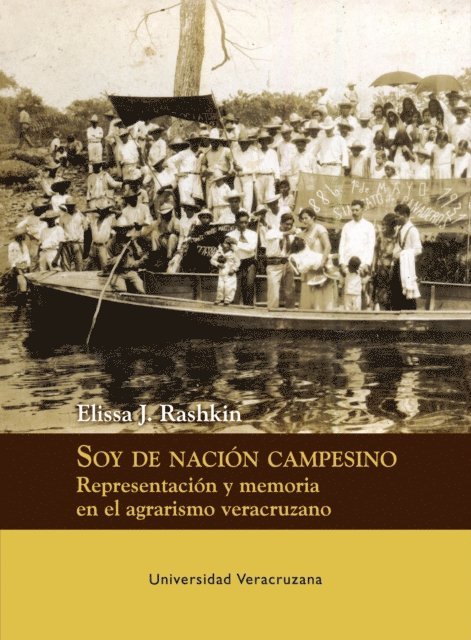
El agrarismo en el estado de Veracruz fue uno de los más importantes movimientos sociales en México durante las primeras décadas del siglo xx. Como tal, fue un rico manantial de representaciones culturales que, a su vez, revelan la formación y la transformación de identidades campesinas en un contexto altamente conflictivo. Con el fin de revalorar las memorias fragmentadas de esta experiencia, este libro examina diversas fuentes: solicitudes de tierra y otros documentos oficiales|prensa y publicaciones campesinas|corridos, sones y décimas, junto con el contexto performativo del fandango|memorias y testimonios de participantes|y textos literarios que se acercaban a la experiencia agrarista de la época.A través de estos artefactos, la autora explora el movimiento campesino como vanguardia rural que radicalizó el campo en diversos actos de expresión y de autorrepresentación. Partiendo de la heterogeneidad del agrarismo y de sus participantes, introduce debates teóricos sobre discurso y performance, así como planteamientos en torno a la construcción de la memoria colectiva, proceso que abarca la selección y el olvido. De este modo, el libro aborda al campesinado veracruzano como actor social imbricado en procesos de construcción cultural, sujeto clave de la historia mexicana regional y revolucionaria.