Elizabeth Buettner - Böcker
Visar alla böcker från författaren Elizabeth Buettner. Handla med fri frakt och snabb leverans.
6 produkter
6 produkter
2 240 kr
Skickas inom 7-10 vardagar
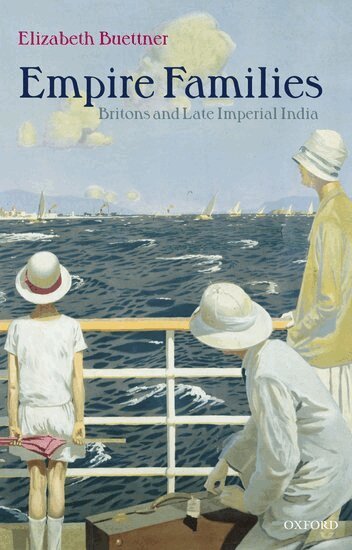
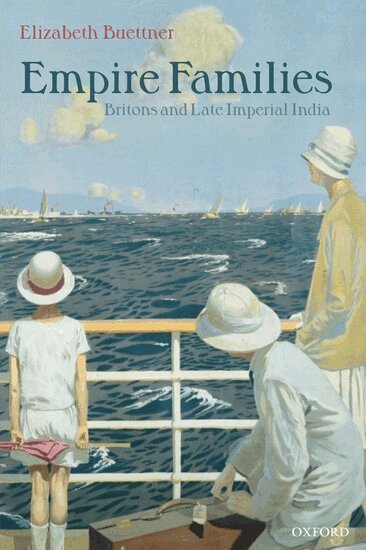
What was life like for the British men, women, and children who lived in late imperial India while serving the Raj? Empire Families treats the Raj as a family affair and examines how, and why, many remained linked with India over several generations.Due to the fact that India was never meant for permanent European settlement, many families developed deep-rooted ties with India while never formally emigrating. Their lives were dominated by long periods of residence abroad punctuated by repeated travels between Britain and India: childhood overseas followed by separation from parents and education in Britain; adult returns to India through careers or marriage; furloughs, and ultimately retirement, in Britain. As a result, many Britons neither felt themselves to be rooted in India, nor felt completely at home when back in Britain. Their permanent impermanence led to the creation of distinct social realities and cultural identities. Empire Families sets out to recreate this society by looking at a series of families, their lives in India, and their travels back to Britain. Focusing for the first time on the experiences of parents and children alike, and including the Beveridge, Butler, Orwell, and Kipling families, Elizabeth Buettner uncovers the meanings of growing up in the Raj and an itinerant imperial lifestyle.
796 kr
Skickas inom 5-8 vardagar
What was life like for the British men, women, and children who lived in late imperial India while serving the Raj? Empire Families treats the Raj as a family affair and examines how, and why, many remained linked with India over several generations.Due to the fact that India was never meant for permanent European settlement, many families developed deep-rooted ties with India while never formally emigrating. Their lives were dominated by long periods of residence abroad punctuated by repeated travels between Britain and India: childhood overseas followed by separation from parents and education in Britain; adult returns to India through careers or marriage; furloughs, and ultimately retirement, in Britain. As a result, many Britons neither felt themselves to be rooted in India, nor felt completely at home when back in Britain. Their permanent impermanence led to the creation of distinct social realities and cultural identities. Empire Families sets out to recreate this society by looking at a series of families, their lives in India, and their travels back to Britain. Focusing for the first time on the experiences of parents and children alike, and including the Beveridge, Butler, Orwell, and Kipling families, Elizabeth Buettner uncovers the meanings of growing up in the Raj and an itinerant imperial lifestyle.
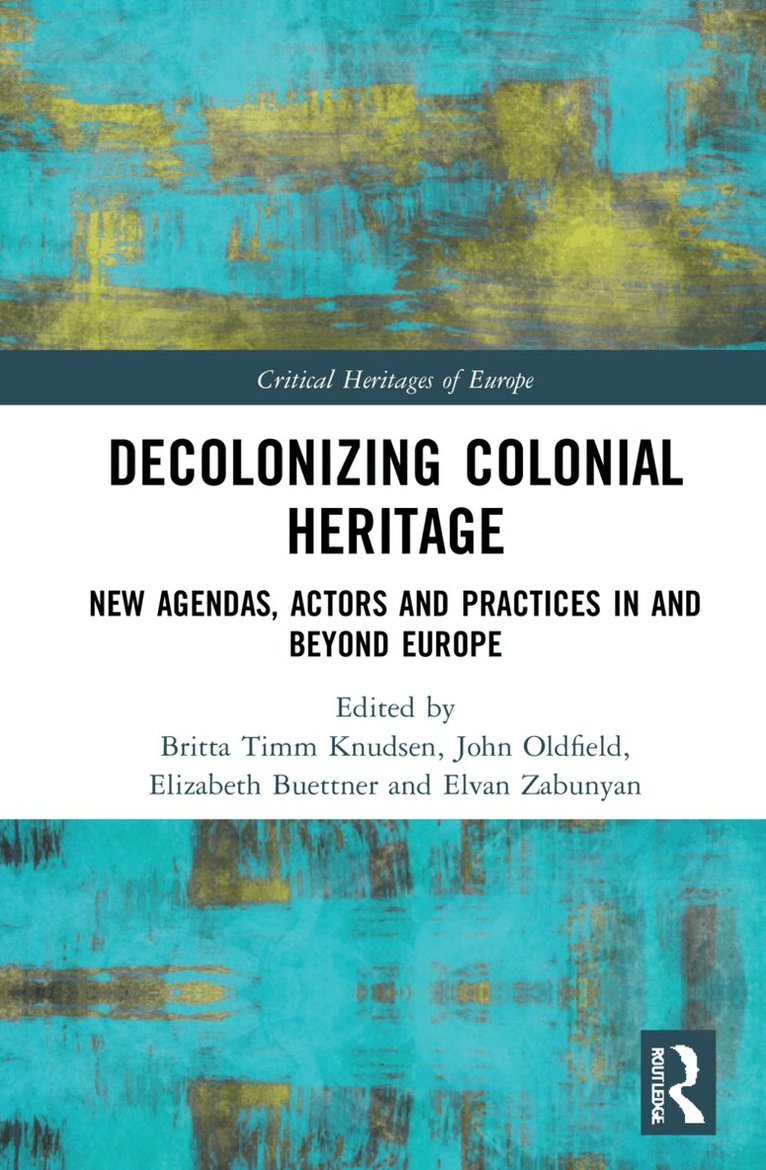
Decolonizing Colonial Heritage
New Agendas, Actors and Practices in and beyond Europe
Inbunden, Engelska, 2021
2 167 kr
Skickas inom 10-15 vardagar
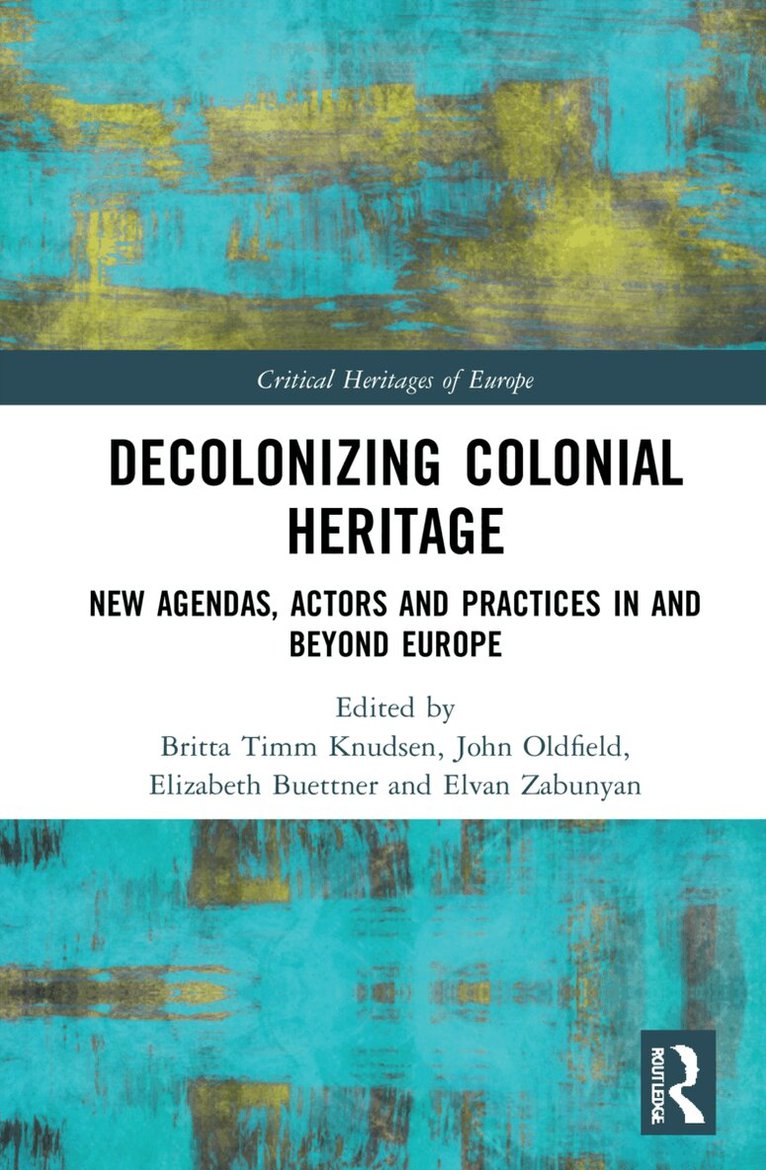
Decolonizing Colonial Heritage explores how different agents practice the decolonization of European colonial heritage at European and extra-European locations. Assessing the impact of these practices, the book also explores what a new vision of Europe in the postcolonial present could look like. Including contributions from academics, artists and heritage practitioners, the volume explores decolonial heritage practices in politics, contemporary history, diplomacy, museum practice, the visual arts and self-generated memorial expressions in public spaces. The comparative focus of the chapters includes examples of internal colonization in Europe and extends to former European colonies, among them Shanghai, Cape Town and Rio de Janeiro. Examining practices in a range of different contexts, the book pays particular attention to sub-national actors whose work is opening up new futures through their engagement with decolonial heritage practices in the present. The volume also considers the challenges posed by applying decolonial thinking to existing understandings of colonial heritage.Decolonizing Colonial Heritage examines the role of colonial heritage in European memory politics and heritage diplomacy. It will be of interest to academics and students working in the fields of heritage and memory studies, colonial and imperial history, European studies, sociology, cultural studies, development studies, museum studies, and contemporary art. The Open Access version of this book, available at www.taylor francis.com, has been made available under a Creative Commons Attribution-Non Commercial-No Derivatives 4.0 license.
Decolonizing Colonial Heritage
New Agendas, Actors and Practices in and beyond Europe
Häftad, Engelska, 2023
592 kr
Skickas inom 10-15 vardagar
Decolonizing Colonial Heritage explores how different agents practice the decolonization of European colonial heritage at European and extra-European locations. Assessing the impact of these practices, the book also explores what a new vision of Europe in the postcolonial present could look like. Including contributions from academics, artists and heritage practitioners, the volume explores decolonial heritage practices in politics, contemporary history, diplomacy, museum practice, the visual arts and self-generated memorial expressions in public spaces. The comparative focus of the chapters includes examples of internal colonization in Europe and extends to former European colonies, among them Shanghai, Cape Town and Rio de Janeiro. Examining practices in a range of different contexts, the book pays particular attention to sub-national actors whose work is opening up new futures through their engagement with decolonial heritage practices in the present. The volume also considers the challenges posed by applying decolonial thinking to existing understandings of colonial heritage.Decolonizing Colonial Heritage examines the role of colonial heritage in European memory politics and heritage diplomacy. It will be of interest to academics and students working in the fields of heritage and memory studies, colonial and imperial history, European studies, sociology, cultural studies, development studies, museum studies, and contemporary art. The Open Access version of this book, available at www.taylor francis.com, has been made available under a Creative Commons Attribution-Non Commercial-No Derivatives 4.0 license.
Del 51 - New Approaches to European History
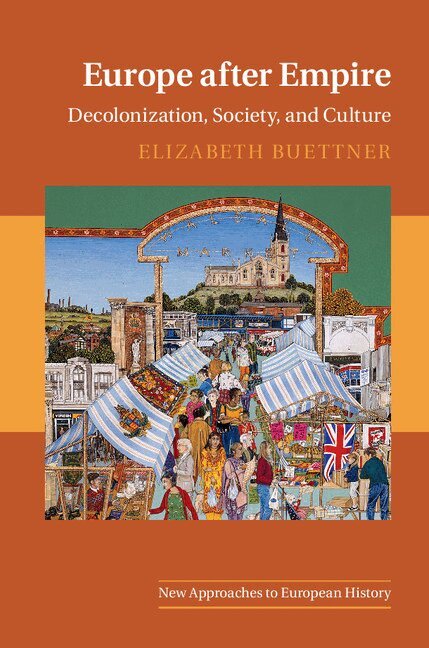
Europe after Empire
Decolonization, Society, and Culture
Inbunden, Engelska, 2016
1 485 kr
Skickas inom 7-10 vardagar
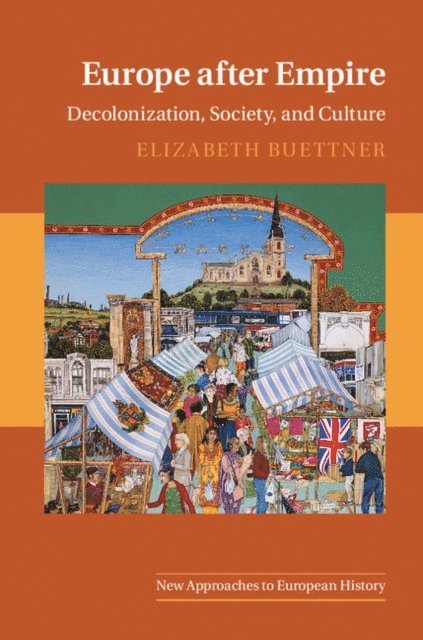
Europe after Empire is a pioneering comparative history of European decolonization from the formal ending of empires to the postcolonial European present. Elizabeth Buettner charts the long-term development of post-war decolonization processes as well as the histories of inward and return migration from former empires which followed. She shows that not only were former colonies remade as a result of the path to decolonization: so too was Western Europe, with imperial traces scattered throughout popular and elite cultures, consumer goods, religious life, political formations, and ideological terrains. People were also inwardly mobile, including not simply Europeans returning 'home' but Asians, Africans, West Indians, and others who made their way to Europe to forge new lives. The result is a Europe fundamentally transformed by multicultural diversity and cultural hybridity and by the destabilization of assumptions about race, culture, and the meanings of place, and where imperial legacies and memories live on.
Del 51 - New Approaches to European History
Europe after Empire
Decolonization, Society, and Culture
Häftad, Engelska, 2016
422 kr
Skickas inom 7-10 vardagar
Europe after Empire is a pioneering comparative history of European decolonization from the formal ending of empires to the postcolonial European present. Elizabeth Buettner charts the long-term development of post-war decolonization processes as well as the histories of inward and return migration from former empires which followed. She shows that not only were former colonies remade as a result of the path to decolonization: so too was Western Europe, with imperial traces scattered throughout popular and elite cultures, consumer goods, religious life, political formations, and ideological terrains. People were also inwardly mobile, including not simply Europeans returning 'home' but Asians, Africans, West Indians, and others who made their way to Europe to forge new lives. The result is a Europe fundamentally transformed by multicultural diversity and cultural hybridity and by the destabilization of assumptions about race, culture, and the meanings of place, and where imperial legacies and memories live on.