Elizabeth C. Childs – författare
Visar alla böcker från författaren Elizabeth C. Childs. Handla med fri frakt och snabb leverans.
3 produkter
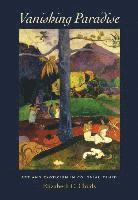
Vanishing Paradise
Art and Exoticism in Colonial Tahiti
Inbunden, 2013
763 kr
Lägg i varukorg
In the late nineteenth century Tahiti embodied Western ideas of an earthly Paradise, a primitive utopia distant geographically and culturally from the Gilded Age or Belle Epoque. Stimulated by fin de siecle longings for the exotic, a few adventurous artists sought out this Eden on the South Seas - …
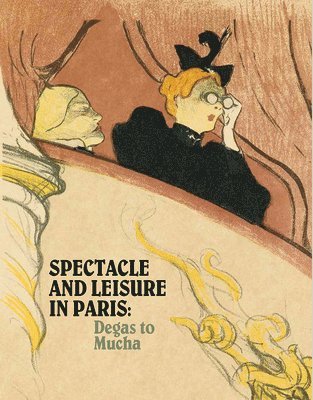
Spectacle and Leisure in Paris
Degas to Mucha
Häftad, 2017
268 kr
Lägg i varukorg
Through the lens of seven scholars, this book examines fine art and commercial design as they both reflected and helped create the vibrant culture of public spectacle in late nineteenth-century Paris. Posters and prints circulated across the city, as the new art form of cinema flourished, all part …
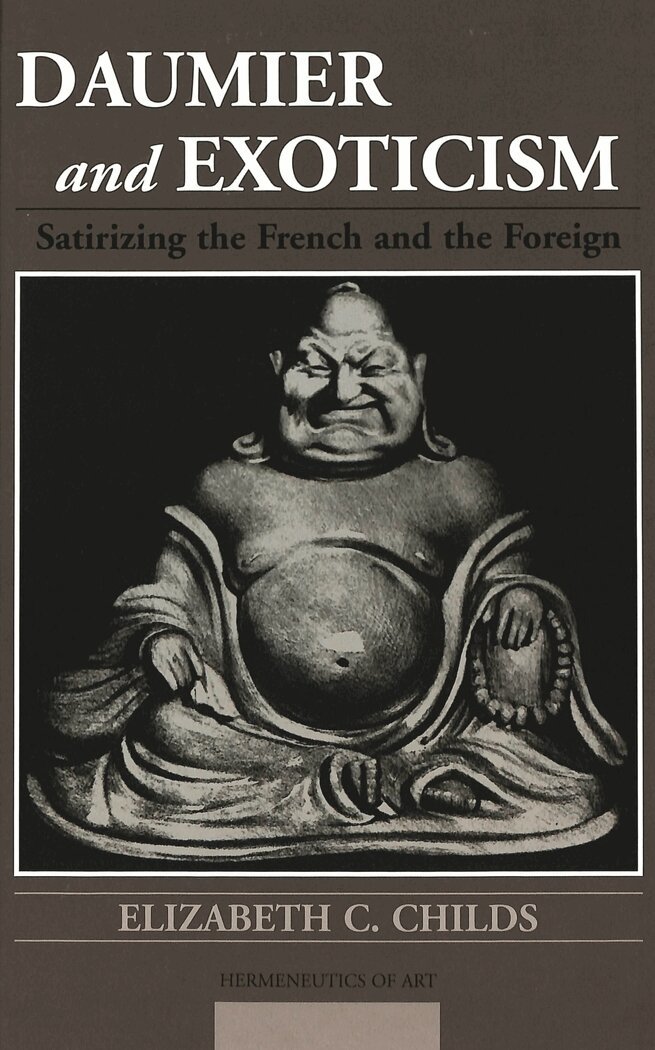
Daumier and Exoticism
Satirizing the French and the Foreign
Av Elizabeth C. Childs, Moshe Barasch
Inbunden, 2004
824 kr
Tillfälligt slut
Best known as a satirist of Parisian politics and daily life, Honoré Daumier (1808-1879) was a prolific caricaturist. This book is the first to examine the role of exoticism in his art, and to offer a detailed history of the journal Le Charivari in which the lithographs appeared. These satires of …