Elizabeth Dill - Böcker
Visar alla böcker från författaren Elizabeth Dill. Handla med fri frakt och snabb leverans.
3 produkter
3 produkter
979 kr
Skickas inom 5-8 vardagar
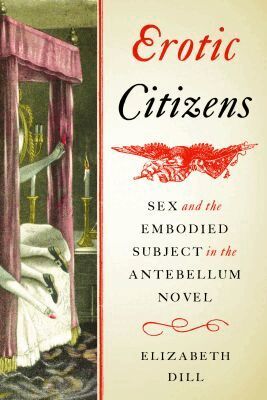
What is the role of sex in the age of democratic beginnings? Despite the sober republican ideals of the Enlightenment, the literature of America’s early years speaks of unruly, carnal longings. Elizabeth Dill argues that the era’s proliferation of texts about extramarital erotic intimacy manifests not an anxiety about the dangers of unfettered feeling, but an endorsement of it. Uncovering the more prurient aspects of nation-building, Erotic Citizens establishes the narrative of sexual ruin as a genre whose sustained rejection of marriage acted as a critique of that which traditionally defines a democracy: the social contract and the sovereign individual.Through an examination of philosophical tracts, political cartoons, frontispiece Illustrations, portraiture, and the novel from the antebellum period, this study reconsiders how the terms of embodiment and selfhood function to define national belonging. From an enslaved woman’s story of survival in North Carolina to a philosophical treatise penned by an English earl, the readings employ the trope of sexual ruin to tell their tales. Such narratives advanced the political possibilities of the sympathetic body, looking beyond the marriage contract as the model for democratic citizenship. Against the cult of the individual that once seemed to define the era, Erotic Citizens argues that the most radical aspect of the Revolution was not the invention of a self-governing body, but the recognition of a self whose body is ungovernable.
394 kr
Skickas
What is the role of sex in the age of democratic beginnings? Despite the sober republican ideals of the Enlightenment, the literature of America’s early years speaks of unruly, carnal longings. Elizabeth Dill argues that the era’s proliferation of texts about extramarital erotic intimacy manifests not an anxiety about the dangers of unfettered feeling, but an endorsement of it. Uncovering the more prurient aspects of nation-building, Erotic Citizens establishes the narrative of sexual ruin as a genre whose sustained rejection of marriage acted as a critique of that which traditionally defines a democracy: the social contract and the sovereign individual.Through an examination of philosophical tracts, political cartoons, frontispiece Illustrations, portraiture, and the novel from the antebellum period, this study reconsiders how the terms of embodiment and selfhood function to define national belonging. From an enslaved woman’s story of survival in North Carolina to a philosophical treatise penned by an English earl, the readings employ the trope of sexual ruin to tell their tales. Such narratives advanced the political possibilities of the sympathetic body, looking beyond the marriage contract as the model for democratic citizenship. Against the cult of the individual that once seemed to define the era, Erotic Citizens argues that the most radical aspect of the Revolution was not the invention of a self-governing body, but the recognition of a self whose body is ungovernable.
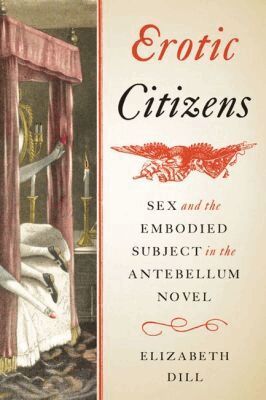
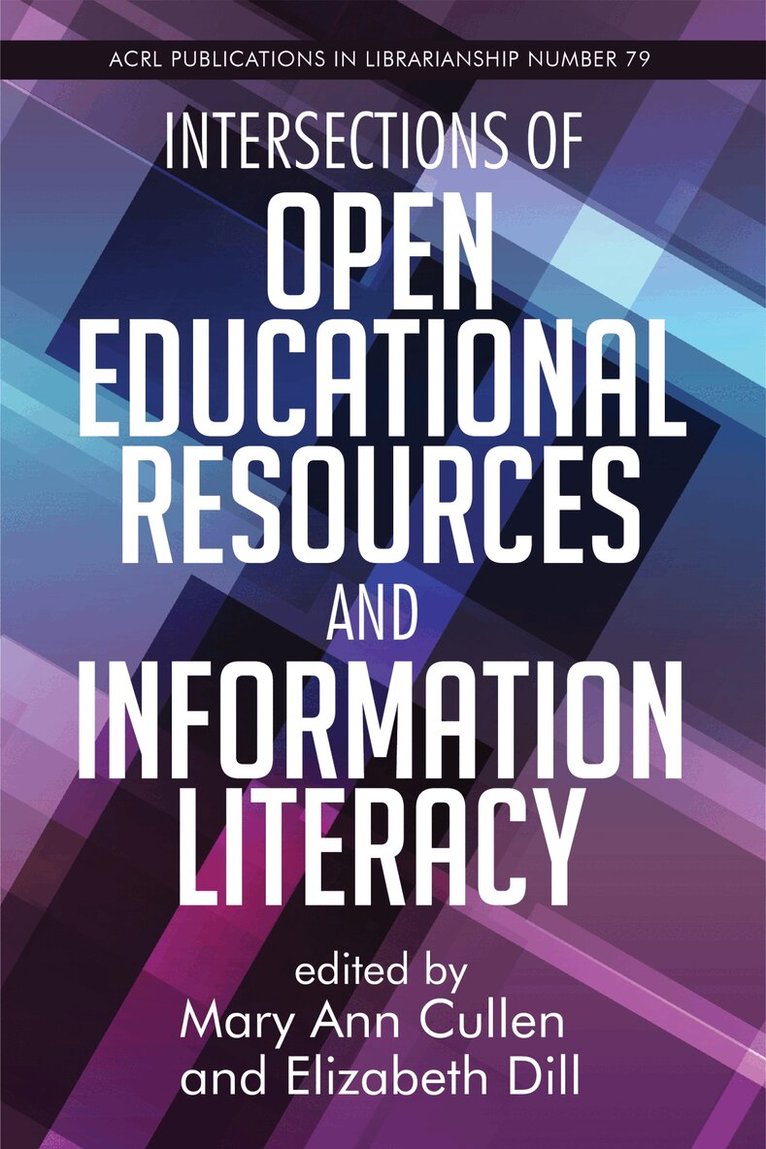
Intersections of Open Educational Resources and Information Literacy Volume 79
Häftad, Engelska, 2022
1 193 kr
Skickas inom 7-10 vardagar
The present volume is timely not only because it models creative and effective strategies to advance both open education and information literacy, but especially because it poses critical questions and urges practitioners to go well beyond questions of access to and the use of information. It demands reflection on what is being accessed (and what is not), who is gaining access (and who is not), who is providing access (and who is not), and what the goal is of this access (and what lies beyond access).—from the Foreword by Rajiv S. JhangianiInformation literacy skills are key when finding, using, adapting, and producing open educational resources (OER). Educators who wish to include OER for their students need to be able to find these resources and use them according to their permissions. When open pedagogical methods are employed, students need to be able to use information literacy skills as they compile, reuse, and create open resources.Intersections of Open Educational Resources and Information Literacy captures current open education and information literacy theory and practice and provides inspiration for the future. Chapters include practical applications, theoretical musings, literature reviews, and case studies and discuss social justice issues, collaboration, open pedagogy, training, and advocacy. The book is divided into six parts: FoundationsTeaching Info Lit with OERLibrarian Support of Open Pedagogy/OERSocial Justice/Untold StoriesStudent AdvocacySpreading the Love: Training Future Advocates and PractitionersChapters cover topics including library-led OER creation; digital cultural heritage and the intersections of primary source literacy and information literacy; situated learning and open pedagogy; critical librarianship and open education; and developing student OER leaders.Intersections of Open Educational Resources and Information Literacy—which went through an open peer review process—informs and inspires on OER, info lit, and their many iterative convergences.