Elizabeth Fein – författare
Visar alla böcker från författaren Elizabeth Fein. Handla med fri frakt och snabb leverans.
5 produkter
5 produkter
Inbunden, Engelska, 2020
1 013 kr
Skickas inom 10-15 vardagar
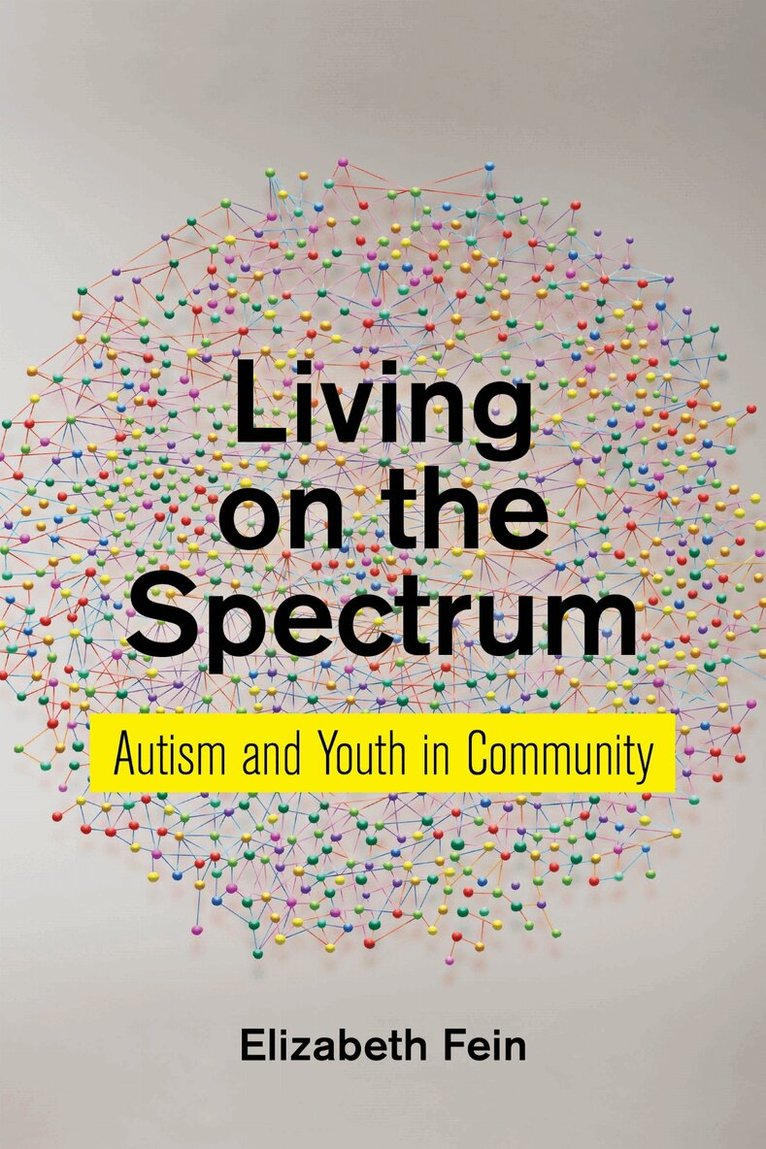
Honorable Mention, 2020 Stirling Prize for Best Published Work in Psychological Anthropology, given by the Society for Psychological AnthropologyHonorable Mention, New Millennium Book Award, given by the Society for Medical Anthropology How youth on the autism spectrum negotiate the contested meanings of neurodiversityAutism is a deeply contested condition. To some, it is a devastating invader, harming children and isolating them. To others, it is an asset and a distinctive aspect of an individual's identity. How do young people on the spectrum make sense of this conflict, in the context of their own developing identity? While most of the research on Asperger's and related autism conditions has been conducted with individuals or in settings in which people on the spectrum are in the minority, this book draws on two years of ethnographic work in communities that bring people with Asperger's and related conditions together. It can thus begin to explore a form of autistic culture, through attending to how those on the spectrum make sense of their conditions through shared social practices.Elizabeth Fein brings her many years of experience in both clinical psychology and psychological anthropology to analyze the connection between neuropsychological difference and culture. She argues that current medical models, which espouse a limited definition, are ill equipped to deal with the challenges of discussing autism-related conditions. Consequently, youths on the autism spectrum reach beyond medicine for their stories of difference and disorder, drawing instead on shared mythologies from popular culture and speculative fiction to conceptualize their experience of changing personhood. In moving and persuasive prose, Living on the Spectrum illustrates that young people use these stories to pioneer more inclusive understandings of what makes us who we are.
Häftad, Engelska, 2020
351 kr
Skickas inom 5-8 vardagar
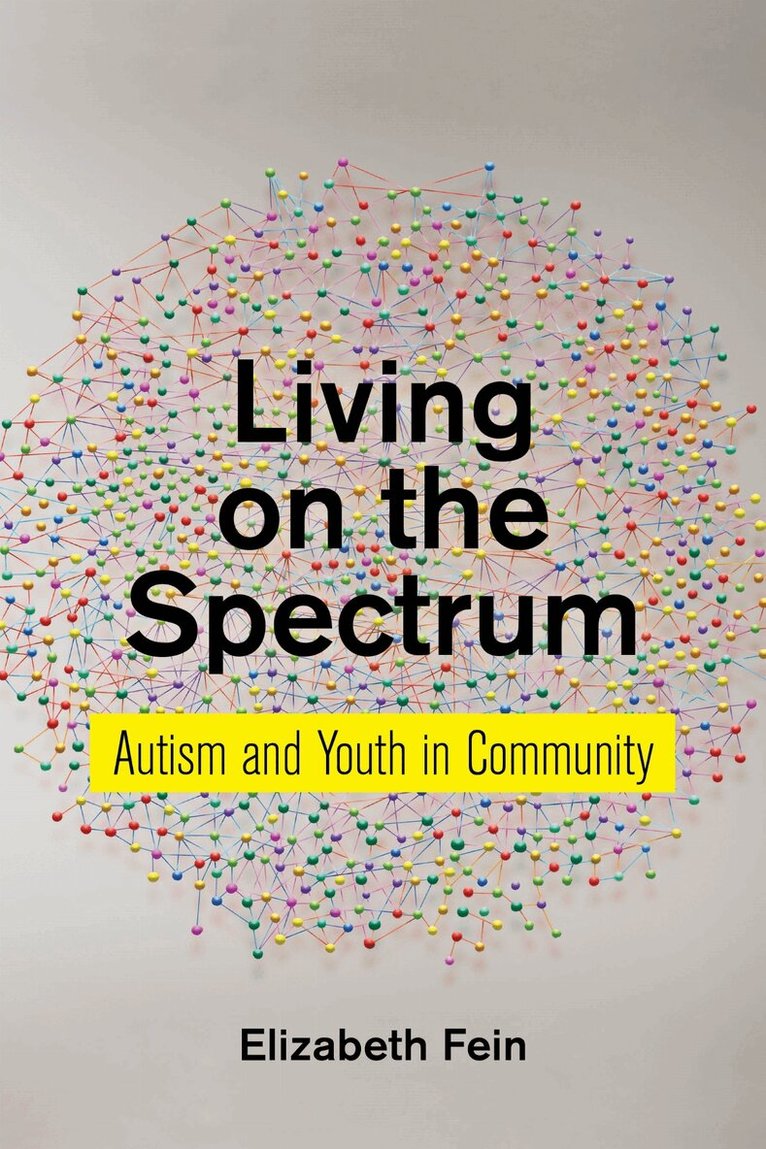
Honorable Mention, 2020 Stirling Prize for Best Published Work in Psychological Anthropology, given by the Society for Psychological AnthropologyHonorable Mention, New Millennium Book Award, given by the Society for Medical Anthropology How youth on the autism spectrum negotiate the contested meanings of neurodiversityAutism is a deeply contested condition. To some, it is a devastating invader, harming children and isolating them. To others, it is an asset and a distinctive aspect of an individual's identity. How do young people on the spectrum make sense of this conflict, in the context of their own developing identity? While most of the research on Asperger's and related autism conditions has been conducted with individuals or in settings in which people on the spectrum are in the minority, this book draws on two years of ethnographic work in communities that bring people with Asperger's and related conditions together. It can thus begin to explore a form of autistic culture, through attending to how those on the spectrum make sense of their conditions through shared social practices.Elizabeth Fein brings her many years of experience in both clinical psychology and psychological anthropology to analyze the connection between neuropsychological difference and culture. She argues that current medical models, which espouse a limited definition, are ill equipped to deal with the challenges of discussing autism-related conditions. Consequently, youths on the autism spectrum reach beyond medicine for their stories of difference and disorder, drawing instead on shared mythologies from popular culture and speculative fiction to conceptualize their experience of changing personhood. In moving and persuasive prose, Living on the Spectrum illustrates that young people use these stories to pioneer more inclusive understandings of what makes us who we are.
Häftad, Engelska, 2018
1 389 kr
Skickas inom 5-8 vardagar
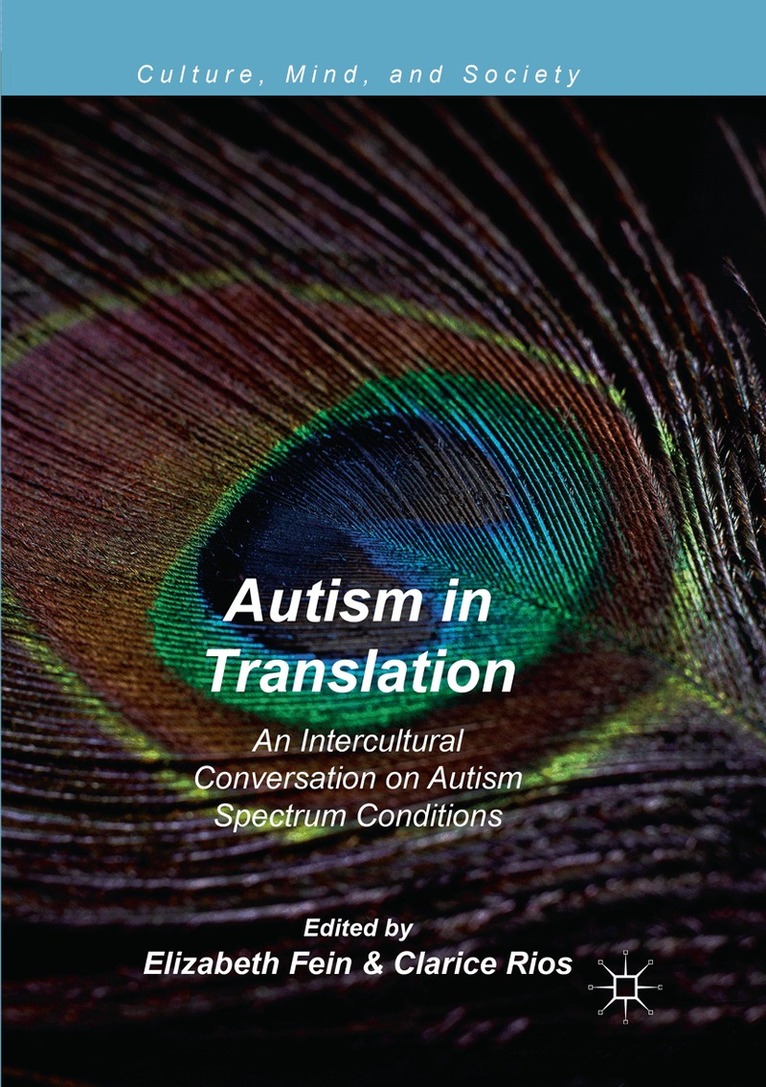
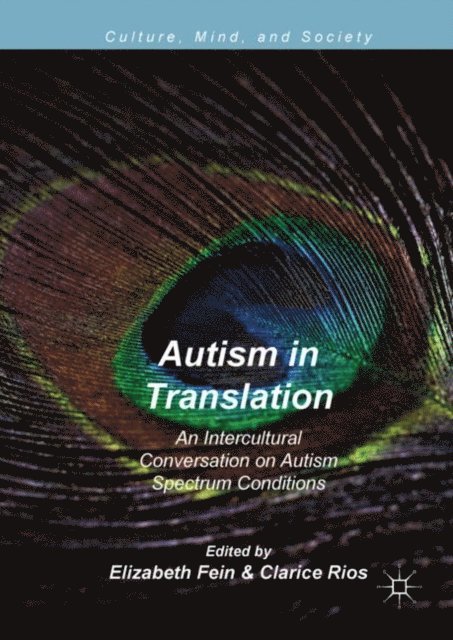
Autism is a complex phenomenon that is both individual and social. Showing both robust similarities and intriguing differences across cultural contexts, the autism spectrum raises innumerable questions about self, subjectivity, and society in a globalized world. Yet it is often misrepresented as a problem of broken bodies and disordered brains. So, in 2015, a group of interdisciplinary scholars gathered in Rio de Janeiro, Brazil for an intellectual experiment: a workshop that joined approaches from psychological anthropology to the South American tradition of Collective Health in order to consider autism within social, historical, and political settings. This book is the product of the ongoing conversation emerging from this event. It contains a series of comparative histories of autism policy in Italy, Brazil, and the United States; focuses on issues of voice, narrative, and representation in autism; and examines how the concept of autism shapes both individual lives and broader social and economic systems. Featuring contributions from:Michael BakanBenilton BezerraPamela BlockM. Ariel Cascio Jurandir Freire CostaBárbara Costa AndradaCassandra EvansElizabeth Fein Clara Feldman Roy Richard GrinkerRossano LimaFrancisco OrtegaDawn Prince-HughesClarice Rios Laura Sterponi Thomas S. WeisnerEnrico Valtellina
Inbunden, Engelska, 2018
1 635 kr
Skickas inom 10-15 vardagar
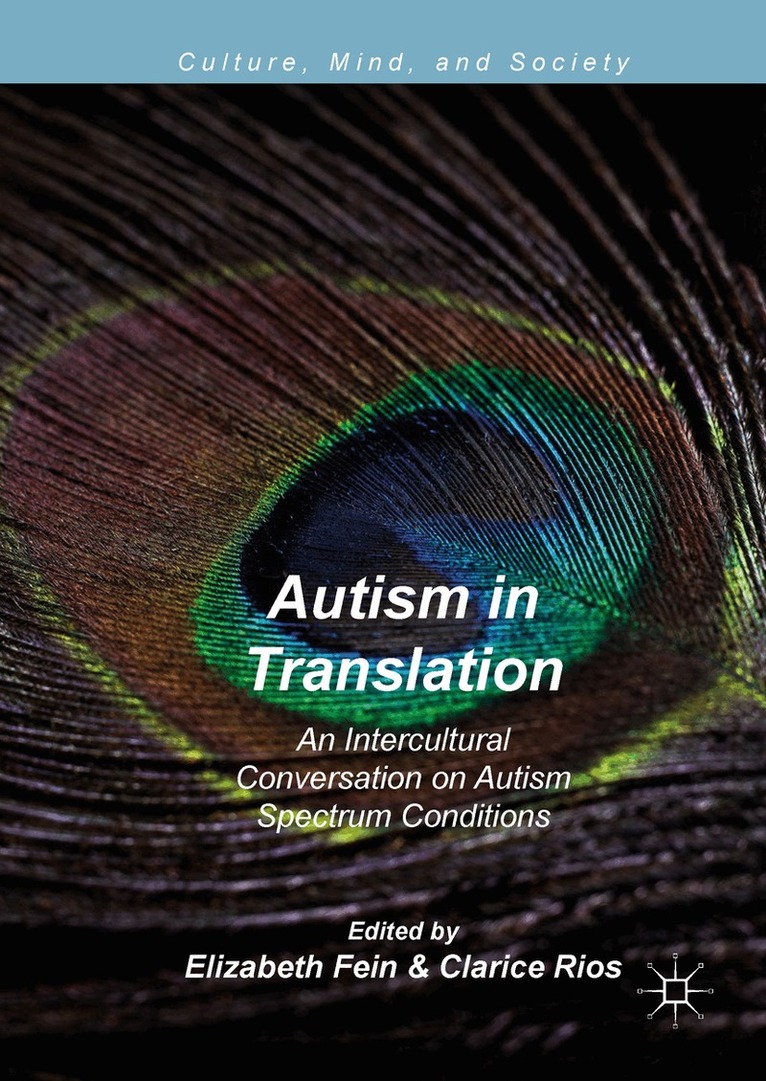
Autism is a complex phenomenon that is both individual and social. Showing both robust similarities and intriguing differences across cultural contexts, the autism spectrum raises innumerable questions about self, subjectivity, and society in a globalized world. Yet it is often misrepresented as a problem of broken bodies and disordered brains. So, in 2015, a group of interdisciplinary scholars gathered in Rio de Janeiro, Brazil for an intellectual experiment: a workshop that joined approaches from psychological anthropology to the South American tradition of Collective Health in order to consider autism within social, historical, and political settings. This book is the product of the ongoing conversation emerging from this event. It contains a series of comparative histories of autism policy in Italy, Brazil, and the United States; focuses on issues of voice, narrative, and representation in autism; and examines how the concept of autism shapes both individual lives and broader social and economic systems. Featuring contributions from:Michael BakanBenilton BezerraPamela BlockM. Ariel Cascio Jurandir Freire CostaBárbara Costa AndradaCassandra EvansElizabeth Fein Clara Feldman Roy Richard GrinkerRossano LimaFrancisco OrtegaDawn Prince-HughesClarice Rios Laura Sterponi Thomas S. WeisnerEnrico Valtellina
1 922 kr
Läs direkt efter köp
Autism is a complex phenomenon that is both individual and social. Showing both robust similarities and intriguing differences across cultural contexts, the autism spectrum raises innumerable questions about self, subjectivity, and society in a globalized world. Yet it is often misrepresented as a problem of broken bodies and disordered brains. So, in 2015, a group of interdisciplinary scholars gathered in Rio de Janeiro, Brazil for an intellectual experiment: a workshop that joined approaches from psychological anthropology to the South American tradition of Collective Health in order to consider autism within social, historical, and political settings. This book is the product of the ongoing conversation emerging from this event. It contains a series of comparative histories of autism policy in Italy, Brazil, and the United States; focuses on issues of voice, narrative, and representation in autism; and examines how the concept of autism shapes both individual lives and broader social and economic systems. Featuring contributions from:Michael BakanBenilton BezerraPamela BlockM. Ariel Cascio Jurandir Freire CostaBárbara Costa AndradaCassandra EvansElizabeth Fein Clara Feldman Roy Richard GrinkerRossano LimaFrancisco OrtegaDawn Prince-HughesClarice Rios Laura Sterponi Thomas S. WeisnerEnrico Valtellina