
Elizabeth M. Aranda - Böcker
Visar alla böcker från författaren Elizabeth M. Aranda. Handla med fri frakt och snabb leverans.
2 produkter
2 produkter
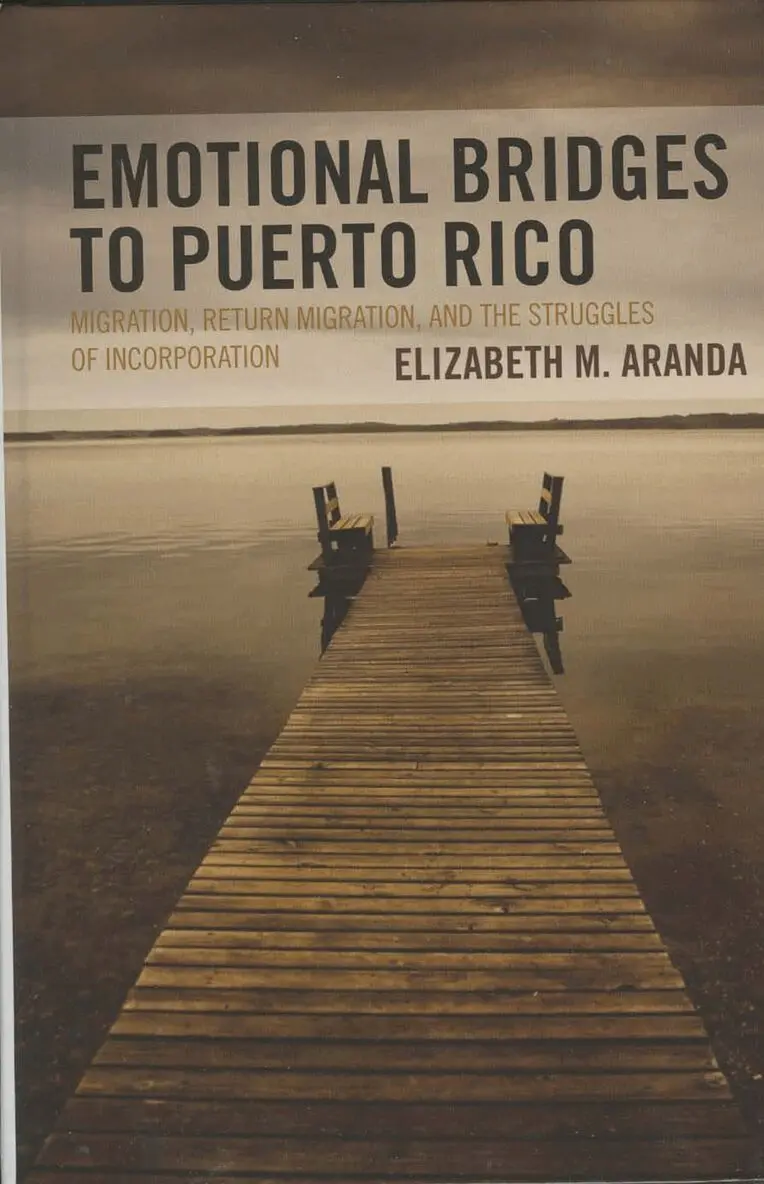
Emotional Bridges to Puerto Rico
Migration, Return Migration, and the Struggles of Incorporation
Inbunden, Engelska, 2006
1 409 kr
Skickas inom 5-8 vardagar
Emotional Bridges to Puerto Rico examines the experiences of incorporation among two groups of middle-class Puerto Ricans: one that currently lives in the U.S. mainland and one that has resettled in Puerto Rico. The analysis focuses on their subjective interpretations of incorporation and the conditions under which they decide to move back and forth between the mainland and island. Findings reveal that migration to the mainland results in educational, occupational and economic gains in the U.S., which also help return migrants re-enter Island labor markets. U.S. settlement brings its own set of struggles. Puerto Ricans see themselves as members of transnational families, yet the struggles of leading dual lives result in settlement decisions that reflect desires to live locally with roots in one place instead of feeling split between the two. Experiences with U.S. racism complicate these decisions, given Puerto Ricans' struggles with racial identity and exclusion in spite of their economic, occupational, and residential integration into mainland society. This study illustrates the conditions under which various patterns of attachments to place-or emotional anchoring-develop, and how these feelings impact future Puerto Rican settlement.
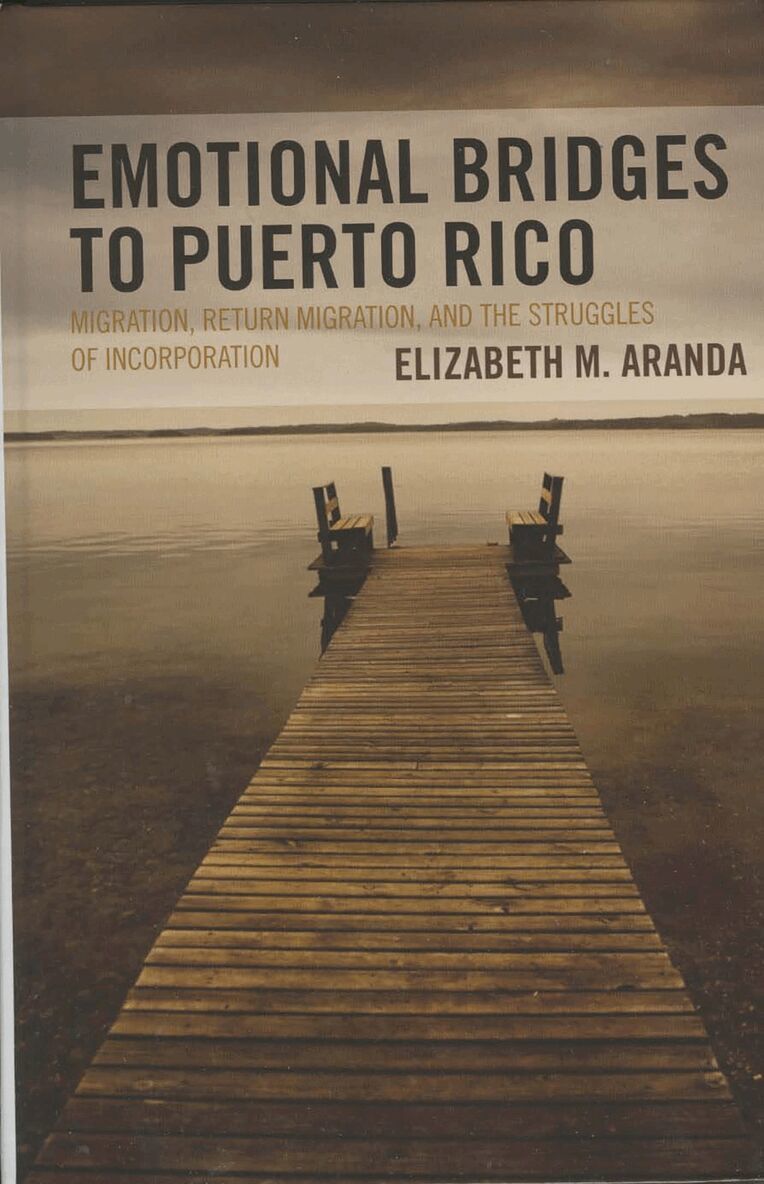
Emotional Bridges to Puerto Rico
Migration, Return Migration, and the Struggles of Incorporation
Häftad, Engelska, 2006
515 kr
Skickas inom 10-15 vardagar
Emotional Bridges to Puerto Rico examines the experiences of incorporation among two groups of middle-class Puerto Ricans: one that currently lives in the U.S. mainland and one that has resettled in Puerto Rico. The analysis focuses on their subjective interpretations of incorporation and the conditions under which they decide to move back and forth between the mainland and island. Findings reveal that migration to the mainland results in educational, occupational and economic gains in the U.S., which also help return migrants re-enter Island labor markets. U.S. settlement brings its own set of struggles. Puerto Ricans see themselves as members of transnational families, yet the struggles of leading dual lives result in settlement decisions that reflect desires to live locally with roots in one place instead of feeling split between the two. Experiences with U.S. racism complicate these decisions, given Puerto Ricans' struggles with racial identity and exclusion in spite of their economic, occupational, and residential integration into mainland society. This study illustrates the conditions under which various patterns of attachments to place-or emotional anchoring-develop, and how these feelings impact future Puerto Rican settlement.