Elizabeth M. Sheehan - Böcker
Visar alla böcker från författaren Elizabeth M. Sheehan. Handla med fri frakt och snabb leverans.
2 produkter
2 produkter
1 263 kr
Kommande
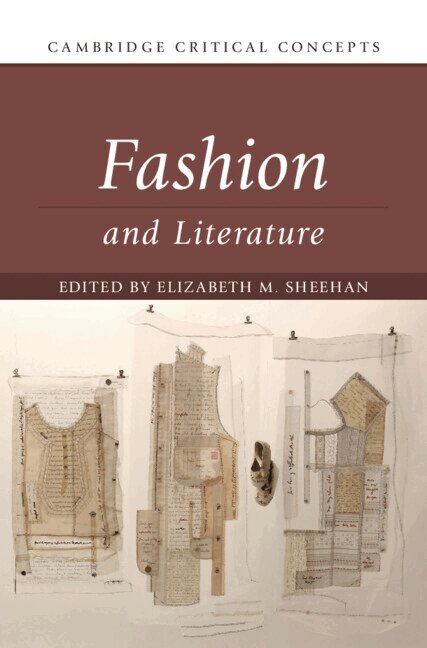
Fashion has shaped literary study in often under-recognized ways. As this book shows, fashion has been a long-standing subject, material resource, and system influencing literary scholarship. In tracing those dynamics, the book defines and advances the field of fashion and literature as it cuts across conventional historical and linguistic research areas. Featuring eighteen chapters by leading scholars, it describes the state of the field and introduces new topics and questions. The chapters focus on the medieval period to the present and include accounts of how new fashions shaped new literary genres; how fashion influenced conceptions of history; and how fashion and literature together produced ideas of gender, sexuality, race, personhood, modernity, and freedom. They also examine the role that literary representations of garments have played in colonial and national histories and in artistic and political movements, including feminist, anticolonial, and abolitionist struggles.
836 kr
Skickas inom 10-15 vardagar
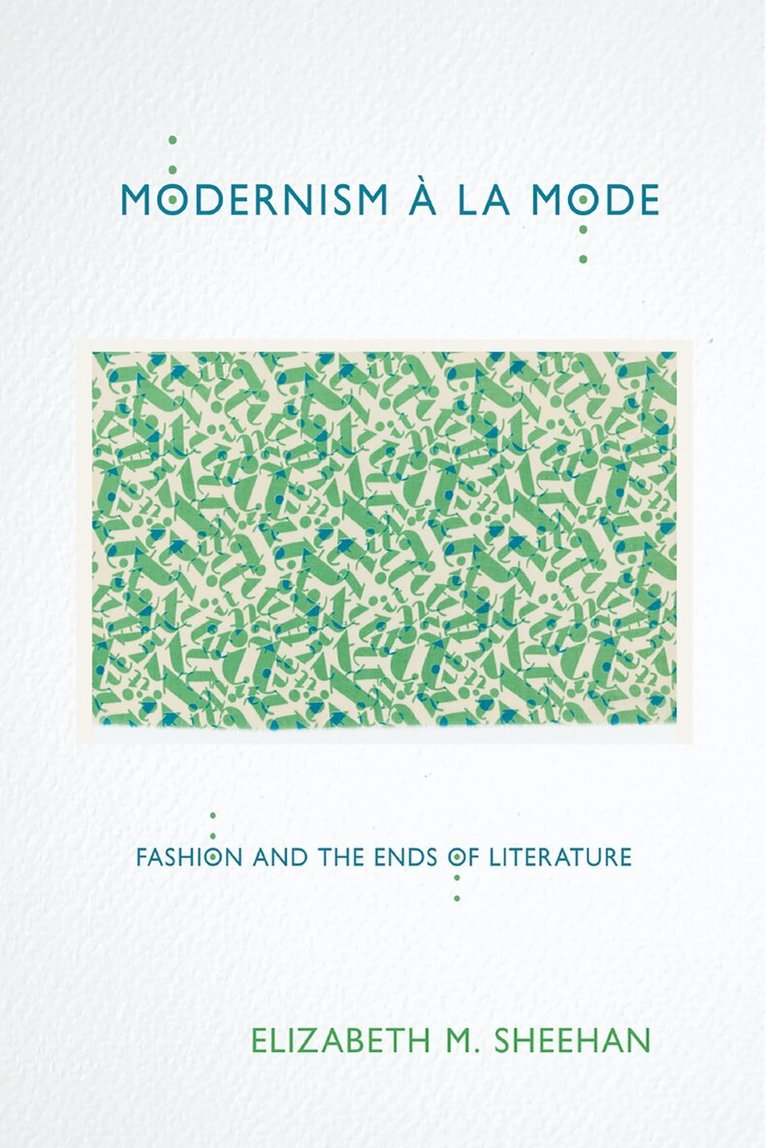
Modernism à la Mode argues that fashion describes why and how literary modernism matters in its own historical moment and ours. Bringing together texts, textiles, and theories of dress, Elizabeth Sheehan shows that writers, including Virginia Woolf, D.H. Lawrence, W.E.B. Du Bois, Nella Larsen, and F. Scott Fitzgerald, turned to fashion to understand what their own stylized works could do in the context of global capital, systemic violence, and social transformation. Modernists engage with fashion as a mood, a set of material objects, and a target of critique, and, in doing so, anticipate and address contemporary debates centered on the uses of literature and literary criticism amidst the supposed crisis in the humanities. A modernist affect with a purpose, no less.By engaging modernism à la mode—that is, contingently, contextually, and in light of contemporary concerns—this book offers an alternative to the often-untenable distinctions between strong or weak, suspicious or reparative, and politically activist or quietist approaches to literature, which frame current debates about literary methodology. As fashion helps us to describe what modernist texts do, it enables us to do more with modernism as a form of inquiry, perception, and critique. Fashion and modernism are interwoven forms of inquiry, perception, and critique, writes Sheehan. It is fashion that puts the work of early twentieth-century writers in conversation with twenty-first century theories of emotion, materiality, animality, beauty, and history.