Elizabeth MacDonald - Böcker
Visar alla böcker från författaren Elizabeth MacDonald. Handla med fri frakt och snabb leverans.
7 produkter
7 produkter
338 kr
Tillfälligt slut

2 289 kr
Skickas inom 10-15 vardagar
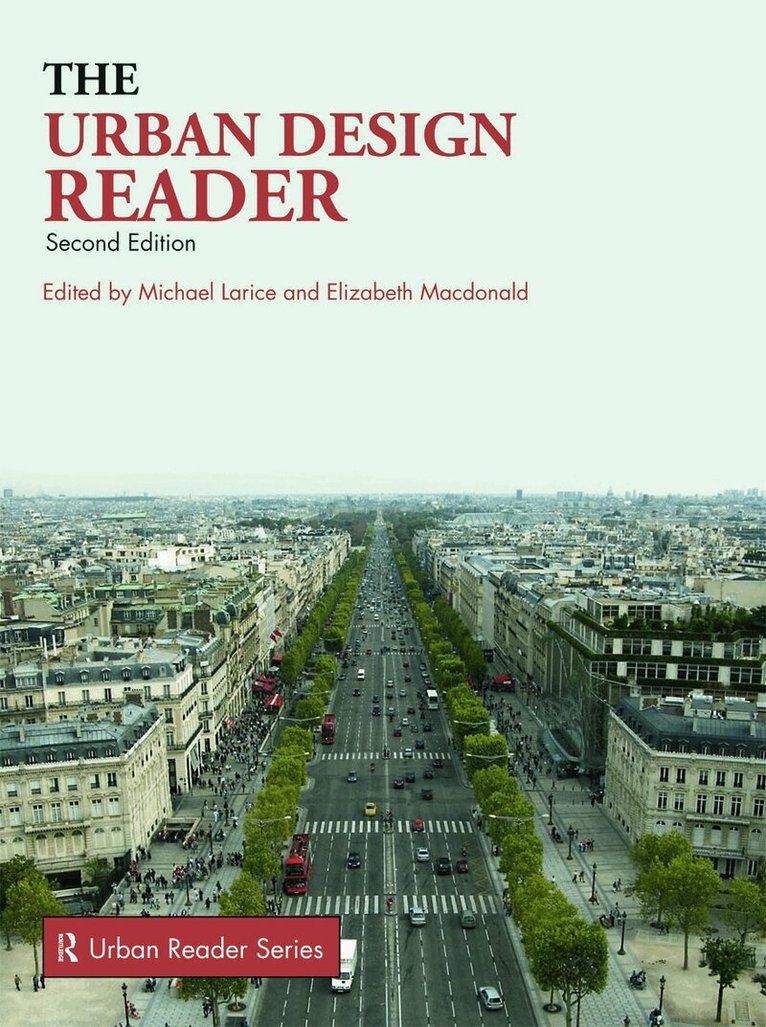
The second edition of The Urban Design Reader draws together the very best of classic and contemporary writings to illuminate and expand the theory and practice of urban design. Nearly 50 generous selections include seminal contributions from Howard, Le Corbusier, Lynch, and Jacobs to more recent writings by Waldheim, Koolhaas, and Sorkin. Following the widespread success of the first edition of The Urban Design Reader, this updated edition continues to provide the most important historical material of the urban design field, but also introduces new topics and selections that address the myriad challenges facing designers today.The six part structure of the second edition guides the reader through the history, theory and practice of urban design. The reader is initially introduced to those classic writings that provide the historical precedents for city-making into the twentieth century. Part Two introduces the voices and ideas that were instrumental in establishing the foundations of the urban design field from the late 1950s up to the mid-1990s. These authors present a critical reading of the design professions and offer an alternative urban design agenda focused on vital and lively places. The authors in Part Three provide a range of urban design rationales and strategies for reinforcing local physical identity and the creation of memorable places. These selections are largely describing the outcomes of mid-century urban design and voicing concerns over the placeless quality of contemporary urbanism. The fourth part of the Reader explores key issues in urban design and development. Ideas about sprawl, density, community health, public space and everyday life are the primary focus here. Several new selections in this part of the book also highlight important international development trends in the Middle East and China. Part Five presents environmental challenges faced by the built environment professions today, including recent material on landscape urbanism, sustainability, and urban resiliency. The final part examines professional practice and current debates in the field: where urban designers work, what they do, their roles, their fields of knowledge and their educational development. The section concludes with several position pieces and debates on the future of urban design practice.This book provides an essential resource for students and practitioners of urban design, drawing together important but widely dispersed writings. Part and section introductions are provided to assist readers in understanding the context of the material, summary messages, impacts of the writing, and how they fit into the larger picture of the urban design field.
1 236 kr
Skickas inom 10-15 vardagar
The second edition of The Urban Design Reader draws together the very best of classic and contemporary writings to illuminate and expand the theory and practice of urban design. Nearly 50 generous selections include seminal contributions from Howard, Le Corbusier, Lynch, and Jacobs to more recent writings by Waldheim, Koolhaas, and Sorkin. Following the widespread success of the first edition of The Urban Design Reader, this updated edition continues to provide the most important historical material of the urban design field, but also introduces new topics and selections that address the myriad challenges facing designers today.The six part structure of the second edition guides the reader through the history, theory and practice of urban design. The reader is initially introduced to those classic writings that provide the historical precedents for city-making into the twentieth century. Part Two introduces the voices and ideas that were instrumental in establishing the foundations of the urban design field from the late 1950s up to the mid-1990s. These authors present a critical reading of the design professions and offer an alternative urban design agenda focused on vital and lively places. The authors in Part Three provide a range of urban design rationales and strategies for reinforcing local physical identity and the creation of memorable places. These selections are largely describing the outcomes of mid-century urban design and voicing concerns over the placeless quality of contemporary urbanism. The fourth part of the Reader explores key issues in urban design and development. Ideas about sprawl, density, community health, public space and everyday life are the primary focus here. Several new selections in this part of the book also highlight important international development trends in the Middle East and China. Part Five presents environmental challenges faced by the built environment professions today, including recent material on landscape urbanism, sustainability, and urban resiliency. The final part examines professional practice and current debates in the field: where urban designers work, what they do, their roles, their fields of knowledge and their educational development. The section concludes with several position pieces and debates on the future of urban design practice.This book provides an essential resource for students and practitioners of urban design, drawing together important but widely dispersed writings. Part and section introductions are provided to assist readers in understanding the context of the material, summary messages, impacts of the writing, and how they fit into the larger picture of the urban design field.
314 kr
Skickas inom 7-10 vardagar
This new and expanded edition of the bestselling The Mindful Teacher provides educators everywhere with practical ideas for improving teaching and learning. Dennis Shirley and Elizabeth MacDonald have created “Mindful Teacher” seminars that enable teachers to focus their craft so that students can learn with dignity and purpose. This updated second edition includes completely new sections on the promise of teacher leadership, the strengths and perils of technology, and schools in the midst of change. The Mindful Teacher is an indispensable and timely resource for all educators who seek to transform schools into places of learning and joy.Book Features:Nitty-gritty descriptions of teachers leading grassroots change.Practical recommendations on ways to retain the best of previous practices while creatively blending them with new innovations.Valuable ways of using principles of mindful teaching for thinking through the affordances, as well as the distractions, that accompany new technologies.Research-tested approaches to whole-school change that honor the work of educators and accelerate the learning of students.The Mindful Teacher describes real educators in real schools working with real students. It bridges the rapidly evolving field of mindfulness studies with educators’ life-long quests for substantial and sustainable improvements in the educations we provide our students.
Sharpen Your Verbal Edge
101 Tips to Enhance Your Professional Communication Skills
Häftad, Engelska, 2018
135 kr
Skickas inom 5-8 vardagar
2 785 kr
Skickas inom 10-15 vardagar
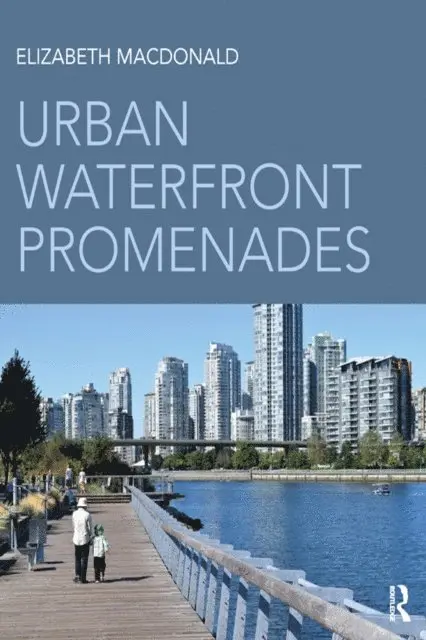
Some cities have long-treasured waterfront promenades, many cities have recently built ones, and others have plans to create them as opportunities arise. Beyond connecting people with urban water bodies, waterfront promenades offer many social and ecological benefits. They are places for social gathering, for physical activity, for relief from the stresses of urban life, and where the unique transition from water to land eco-systems can be nurtured and celebrated. The best are inclusive places, welcoming and accessible to diverse users. This book explores urban waterfront promenades worldwide. It presents 38 promenade case studies—as varied as Vancouver’s extensive network that has been built over the last century, the classic promenades in Rio de Janeiro, the promenades in Stockholm’s recently built Hammarby Sjöstad eco-district, and the Ma On Shan promenade in the Hong Kong New Territories—analyzing their physical form, social use, the circumstances under which they were built, the public policies that brought them into being, and the threats from sea level rise and the responses that have been made.Based on wide research, Urban Waterfront Promenades examines the possibilities for these public spaces and offers design and planning approaches useful for professionals, community decision-makers, and scholars. Extensive plans, cross sections, and photographs permit visual comparison.
961 kr
Skickas inom 10-15 vardagar
Some cities have long-treasured waterfront promenades, many cities have recently built ones, and others have plans to create them as opportunities arise. Beyond connecting people with urban water bodies, waterfront promenades offer many social and ecological benefits. They are places for social gathering, for physical activity, for relief from the stresses of urban life, and where the unique transition from water to land eco-systems can be nurtured and celebrated. The best are inclusive places, welcoming and accessible to diverse users. This book explores urban waterfront promenades worldwide. It presents 38 promenade case studies—as varied as Vancouver’s extensive network that has been built over the last century, the classic promenades in Rio de Janeiro, the promenades in Stockholm’s recently built Hammarby Sjöstad eco-district, and the Ma On Shan promenade in the Hong Kong New Territories—analyzing their physical form, social use, the circumstances under which they were built, the public policies that brought them into being, and the threats from sea level rise and the responses that have been made.Based on wide research, Urban Waterfront Promenades examines the possibilities for these public spaces and offers design and planning approaches useful for professionals, community decision-makers, and scholars. Extensive plans, cross sections, and photographs permit visual comparison.