Elizabeth Riddell-Dixon – författare
Visar alla böcker från författaren Elizabeth Riddell-Dixon. Handla med fri frakt och snabb leverans.
7 produkter
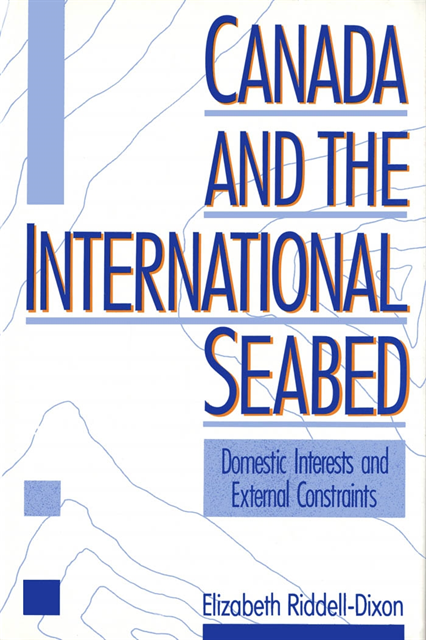
Canada and the International Seabed
Domestic Determinants and External Constraints
E-bok, 1989
937 kr
Lägg i varukorg
This stronger alliance gave priority to negotiating an internationally acceptable treaty and safeguarding Canada''s land-based nickel industry. A second coalition - officers from the Department of Finance, the Department of Industry, Trade, and Commerce, and the Ministry of State for Science and …
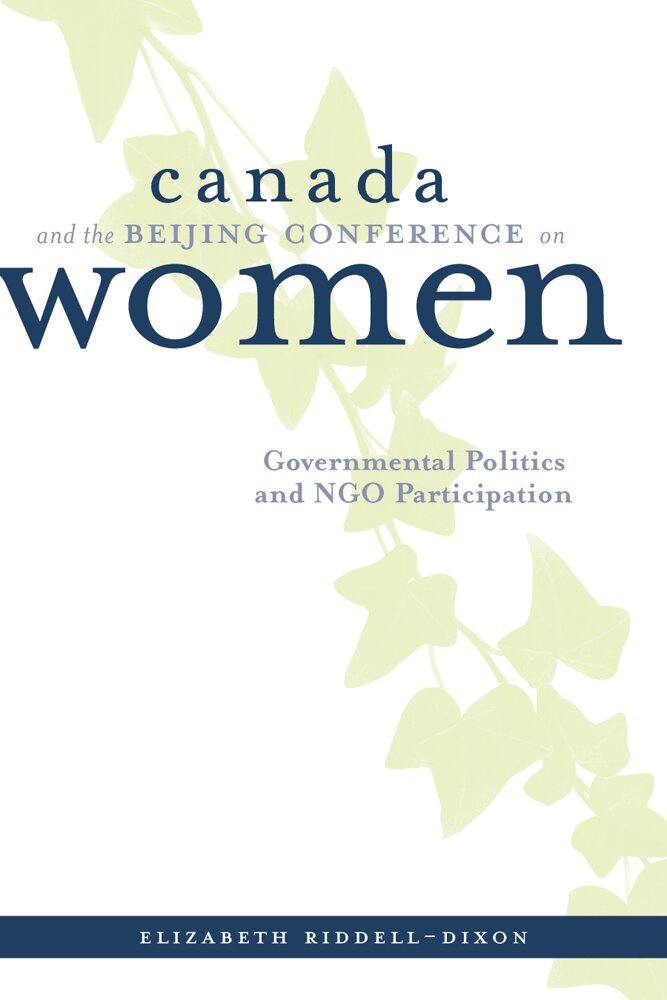
Canada and the Beijing Conference on Women
Governmental Politics and NGO Participation
Inbunden, 2001
1183 kr
Lägg i varukorg
This book examines the process by which Canada's policies forthe Fourth World Conference on Women were formulated: a process thatinvolved federal government officials from some twenty departments,provincial representatives, and non-governmental organizations (NGOs)from across Canada.Riddell-Dixon …
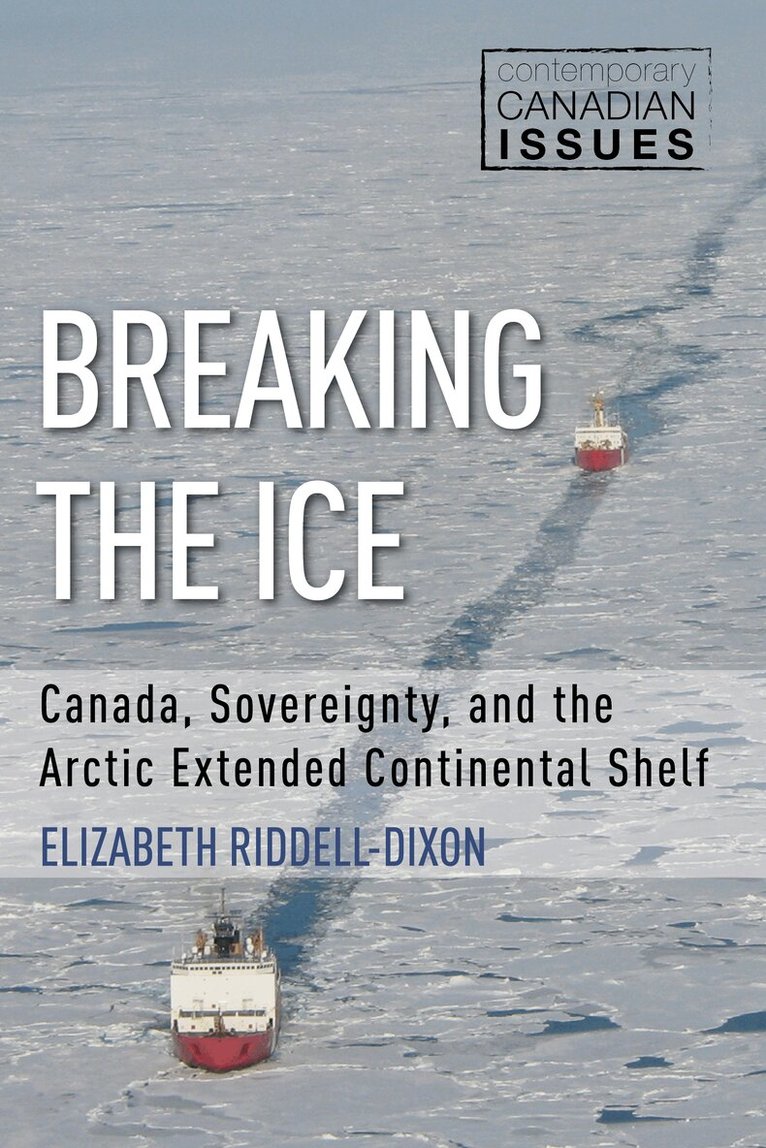
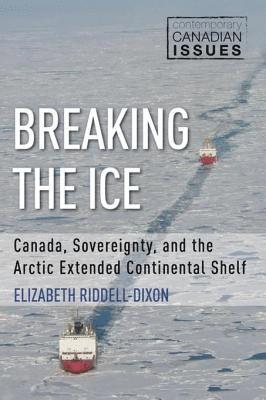
Breaking the Ice
Canada, Sovereignty, and the Arctic Extended Continental Shelf
Häftad, 2017
247 kr
Lägg i varukorg
The Hill Times: Best Books of 2017The Arctic seabed, with its vast quantities of undiscovered resources, is the twenty-first century’s frontier.In Breaking the Ice: Canada, Sovereignty and the Arctic Extended Continental Shelf, Arctic policy expert Elizabeth Riddell-Dixon examines the political, …
Breaking the Ice
Canada and the Arctic Extended Continental Shelf
E-bok, 2017
267 kr
Lägg i varukorg
The Arctic seabed, with its vast quantities of undiscovered resources, is the twenty-first century’s frontier. As one of the five Arctic coastal states, Canada has a vested interest in the Arctic extended continental shelf. The U.S. Geological Survey estimates that there are approximately 90 …
Breaking the Ice
Canada and the Arctic Extended Continental Shelf
E-bok, 2017
137 kr
Lägg i varukorg
The Arctic seabed, with its vast quantities of undiscovered resources, is the twenty-first century’s frontier. As one of the five Arctic coastal states, Canada has a vested interest in the Arctic extended continental shelf. The U.S. Geological Survey estimates that there are approximately 90 …
Canada and the International Seabed
Domestic Determinants and External Constraints
Inbunden, 1989
1294 kr
Tillfälligt slut
This stronger alliance gave priority to negotiating an internationally acceptable treaty and safeguarding Canada's land-based nickel industry. A second coalition - officers from the Department of Finance, the Department of Industry, Trade, and Commerce, and the Ministry of State for Science and …
Canada and the Beijing Conference on Women
Governmental Politics and NGO Participation
Häftad, 2002
413 kr
Tillfälligt slut
This book examines the process by which Canada's policies forthe Fourth World Conference on Women were formulated: a process thatinvolved federal government officials from some twenty departments,provincial representatives, and non-governmental organizations (NGOs)from across Canada.Riddell-Dixon …