Elizabeth Schmidt - Böcker
Visar alla böcker från författaren Elizabeth Schmidt. Handla med fri frakt och snabb leverans.
8 produkter
8 produkter
288 kr
Skickas inom 3-6 vardagar
Del 7 - New Approaches to African History
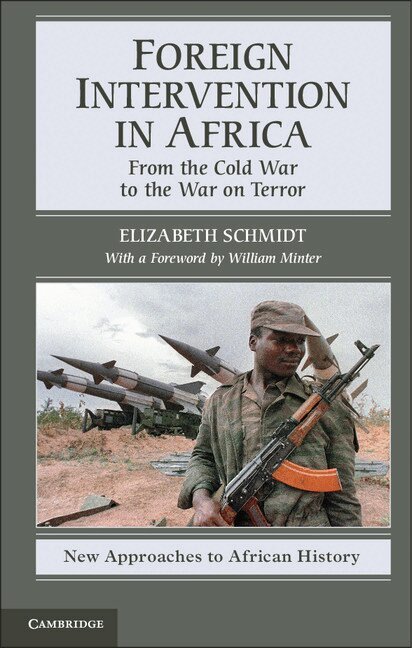
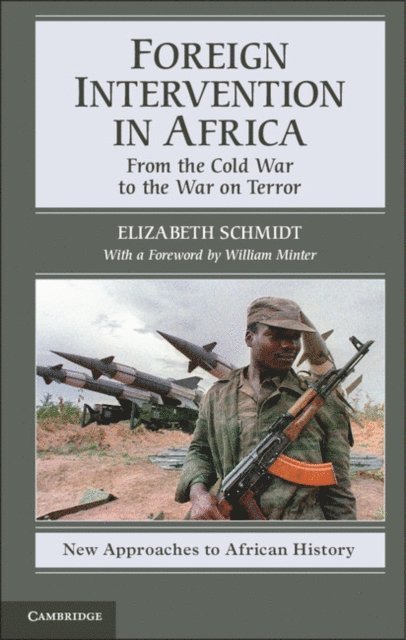
Foreign Intervention in Africa
From the Cold War to the War on Terror
Häftad, Engelska, 2013
344 kr
Skickas inom 7-10 vardagar
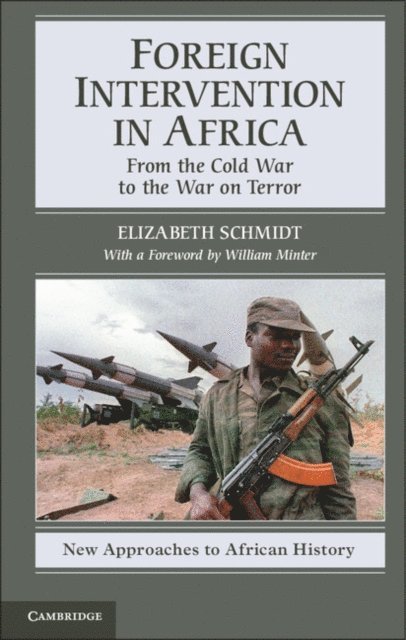
Foreign Intervention in Africa chronicles the foreign political and military interventions in Africa from 1956 to 2010, during the periods of decolonisation and the Cold War, as well as during the periods of state collapse and the 'global war on terror'. In the first two periods, the most significant intervention was extra-continental. The USA, the Soviet Union, China, Cuba and the former colonial powers entangled themselves in countless African conflicts. During the period of state collapse, the most consequential interventions were intra-continental. African governments, sometimes assisted by powers outside the continent, supported warlords, dictators and dissident movements in neighbouring countries and fought for control of their neighbours' resources. The global war on terror, like the Cold War, increased foreign military presence on the African continent and generated external support for repressive governments. In each of these cases, external interests altered the dynamics of Africa's internal struggles, escalating local conflicts into larger conflagrations, with devastating effects on African peoples.
Del 7 - New Approaches to African History
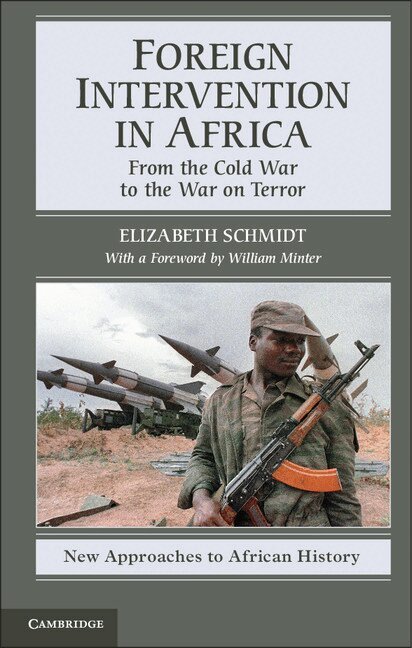
Foreign Intervention in Africa
From the Cold War to the War on Terror
Inbunden, Engelska, 2013
1 065 kr
Skickas inom 7-10 vardagar
Foreign Intervention in Africa chronicles the foreign political and military interventions in Africa from 1956 to 2010, during the periods of decolonisation and the Cold War, as well as during the periods of state collapse and the 'global war on terror'. In the first two periods, the most significant intervention was extra-continental. The USA, the Soviet Union, China, Cuba and the former colonial powers entangled themselves in countless African conflicts. During the period of state collapse, the most consequential interventions were intra-continental. African governments, sometimes assisted by powers outside the continent, supported warlords, dictators and dissident movements in neighbouring countries and fought for control of their neighbours' resources. The global war on terror, like the Cold War, increased foreign military presence on the African continent and generated external support for repressive governments. In each of these cases, external interests altered the dynamics of Africa's internal struggles, escalating local conflicts into larger conflagrations, with devastating effects on African peoples.
932 kr
Skickas inom 7-10 vardagar
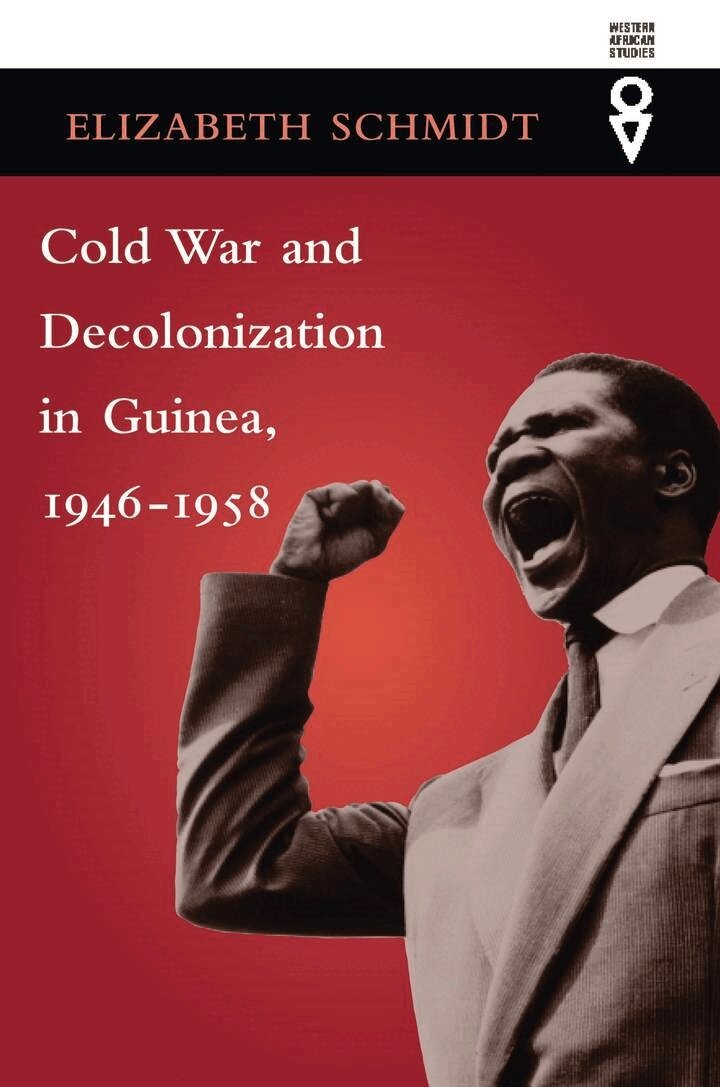
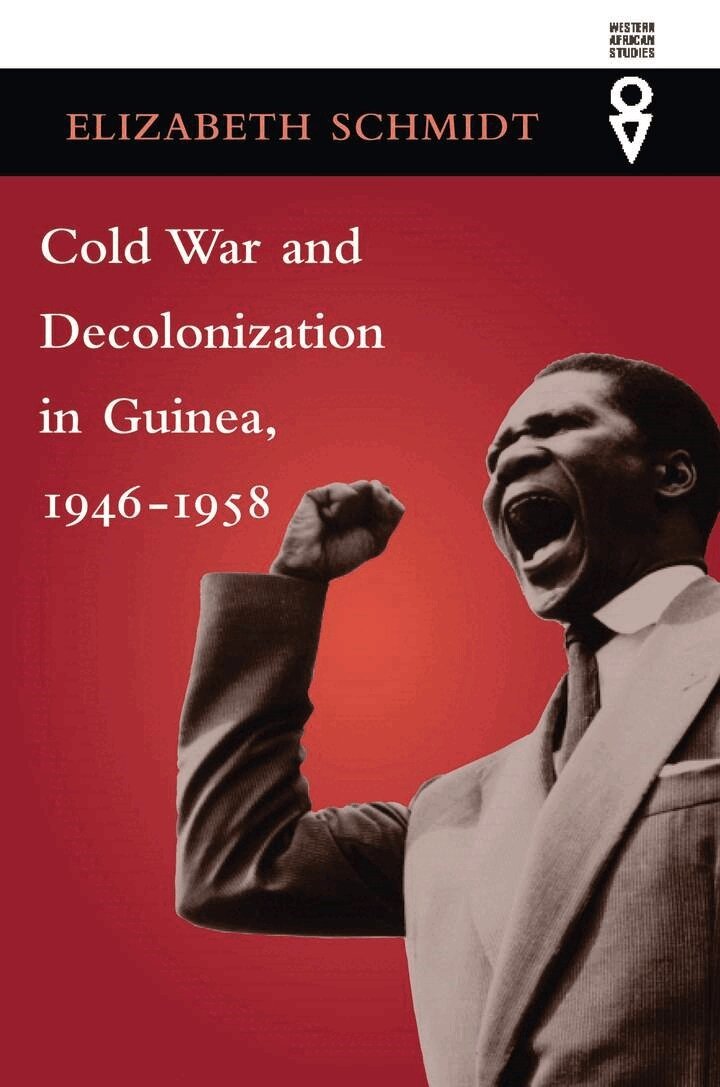
In September 1958, Guinea claimed its independence, rejecting a constitution that would have relegated it to junior partnership in the French Community. In all the French empire, Guinea was the only territory to vote "No." Orchestrating the "No" vote was the Guinean branch of the Rassemblement Démocratique Africain (RDA), an alliance of political parties with affiliates in French West and Equatorial Africa and the United Nations trusts of Togo and Cameroon. Although Guinea's stance vis-à-vis the 1958 constitution has been recognized as unique, until now the historical roots of this phenomenon have not been adequately explained.Clearly written and free of jargon, Cold War and Decolonization in Guinea argues that Guinea's vote for independence was the culmination of a decade-long struggle between local militants and political leaders for control of the political agenda. Since 1950, when RDA representatives in the French parliament severed their ties to the French Communist Party, conservative elements had dominated the RDA. In Guinea, local cadres had opposed the break. Victimized by the administration and sidelined by their own leaders, they quietly rebuilt the party from the base. Leftist militants, their voices muted throughout most of the decade, gained preeminence in 1958, when trade unionists, students, the party's women's and youth wings, and other grassroots actors pushed the Guinean RDA to endorse a "No" vote. Thus, Guinea's rejection of the proposed constitution in favor of immediate independence was not an isolated aberration. Rather, it was the outcome of years of political mobilization by activists who, despite Cold War repression, ultimately pushed the Guinean RDA to the left.The significance of this highly original book, based on previously unexamined archival records and oral interviews with grassroots activists, extends far beyond its primary subject. In illuminating the Guinean case, Elizabeth Schmidt helps us understand the dynamics of decolonization and its legacy for postindependence nation-building in many parts of the developing world.Examining Guinean history from the bottom up, Schmidt considers local politics within the larger context of the Cold War, making her book suitable for courses in African history and politics, diplomatic history, and Cold War history.
388 kr
Skickas inom 7-10 vardagar
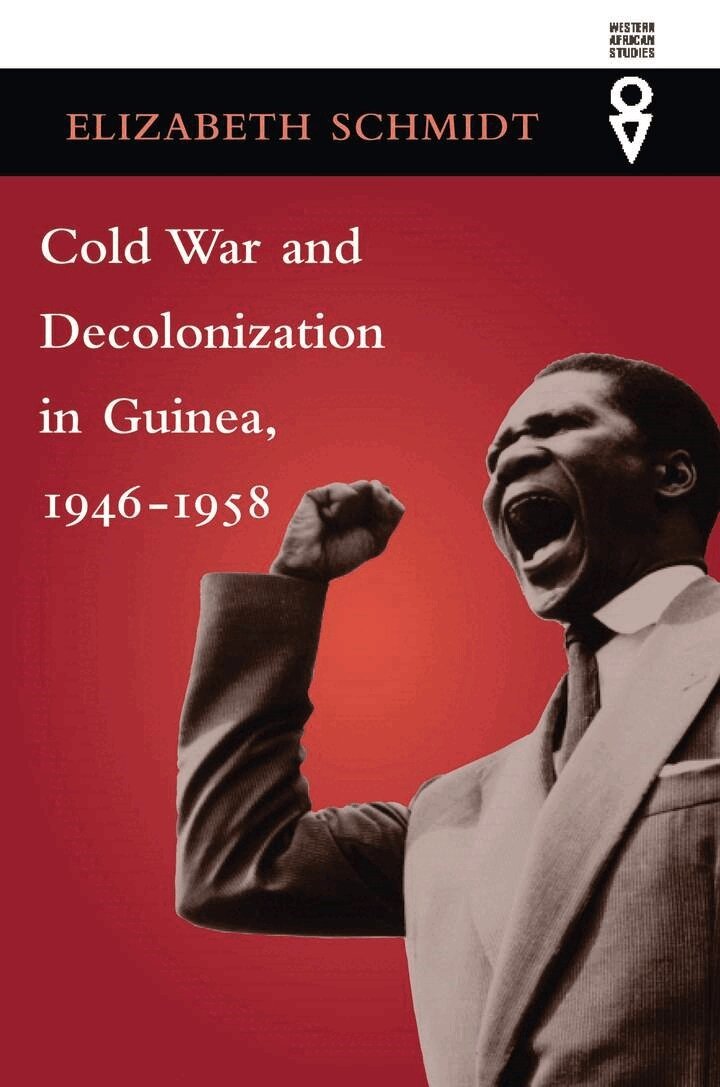
In September 1958, Guinea claimed its independence, rejecting a constitution that would have relegated it to junior partnership in the French Community. In all the French empire, Guinea was the only territory to vote "No." Orchestrating the "No" vote was the Guinean branch of the Rassemblement Démocratique Africain (RDA), an alliance of political parties with affiliates in French West and Equatorial Africa and the United Nations trusts of Togo and Cameroon. Although Guinea's stance vis-à-vis the 1958 constitution has been recognized as unique, until now the historical roots of this phenomenon have not been adequately explained.Clearly written and free of jargon, Cold War and Decolonization in Guinea argues that Guinea's vote for independence was the culmination of a decade-long struggle between local militants and political leaders for control of the political agenda. Since 1950, when RDA representatives in the French parliament severed their ties to the French Communist Party, conservative elements had dominated the RDA. In Guinea, local cadres had opposed the break. Victimized by the administration and sidelined by their own leaders, they quietly rebuilt the party from the base. Leftist militants, their voices muted throughout most of the decade, gained preeminence in 1958, when trade unionists, students, the party's women's and youth wings, and other grassroots actors pushed the Guinean RDA to endorse a "No" vote. Thus, Guinea's rejection of the proposed constitution in favor of immediate independence was not an isolated aberration. Rather, it was the outcome of years of political mobilization by activists who, despite Cold War repression, ultimately pushed the Guinean RDA to the left.The significance of this highly original book, based on previously unexamined archival records and oral interviews with grassroots activists, extends far beyond its primary subject. In illuminating the Guinean case, Elizabeth Schmidt helps us understand the dynamics of decolonization and its legacy for postindependence nation-building in many parts of the developing world.Examining Guinean history from the bottom up, Schmidt considers local politics within the larger context of the Cold War, making her book suitable for courses in African history and politics, diplomatic history, and Cold War history.
Foreign Intervention in Africa After the Cold War
Sovereignty, Responsibility, and the War on Terror
Inbunden, Engelska, 2018
946 kr
Skickas inom 10-15 vardagar
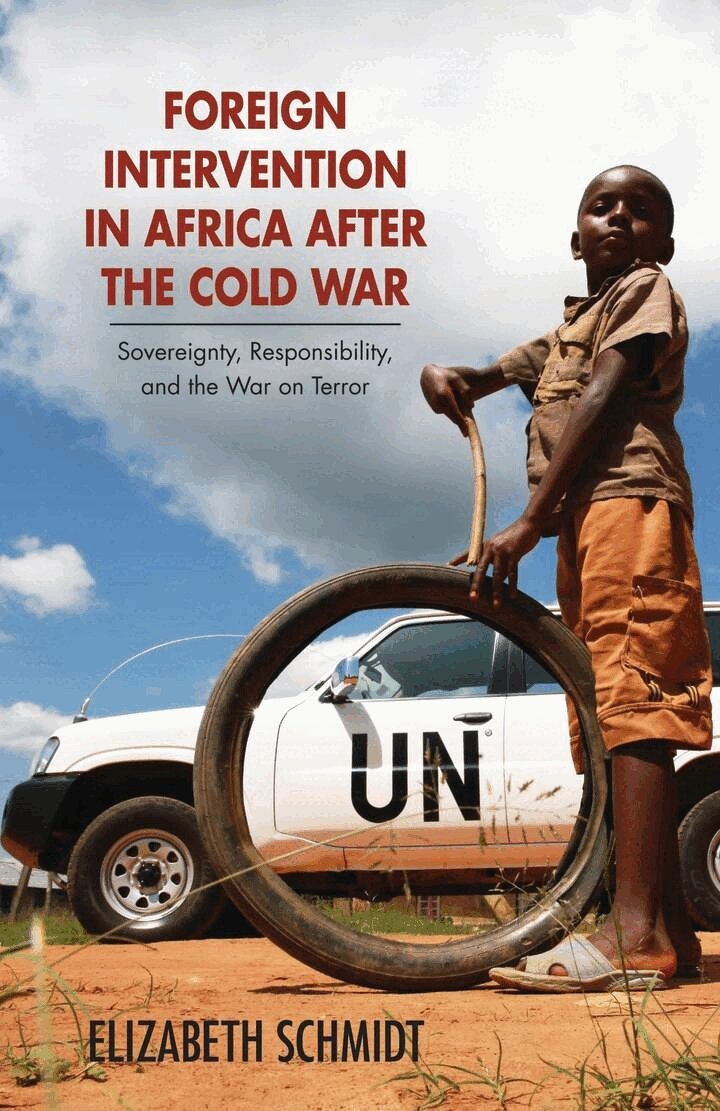
In Foreign Intervention in Africa after the Cold War—interdisciplinary in approach and intended for nonspecialists—Elizabeth Schmidt provides a new framework for thinking about foreign political and military intervention in Africa, its purposes, and its consequences. She focuses on the quarter century following the Cold War (1991–2017), when neighboring states and subregional, regional, and global organizations and networks joined extracontinental powers in support of diverse forces in the war-making and peace-building processes. During this period, two rationales were used to justify intervention: a response to instability, with the corollary of responsibility to protect, and the war on terror.Often overlooked in discussions of poverty and violence in Africa is the fact that many of the challenges facing the continent today are rooted in colonial political and economic practices, in Cold War alliances, and in attempts by outsiders to influence African political and economic systems during the decolonization and postindependence periods. Although conflicts in Africa emerged from local issues, external political and military interventions altered their dynamics and rendered them more lethal. Foreign Intervention in Africa after the Cold War counters oversimplification and distortions and offers a new continentwide perspective, illuminated by trenchant case studies.
Foreign Intervention in Africa After the Cold War
Sovereignty, Responsibility, and the War on Terror
Häftad, Engelska, 2018
394 kr
Skickas inom 10-15 vardagar
In Foreign Intervention in Africa after the Cold War—interdisciplinary in approach and intended for nonspecialists—Elizabeth Schmidt provides a new framework for thinking about foreign political and military intervention in Africa, its purposes, and its consequences. She focuses on the quarter century following the Cold War (1991–2017), when neighboring states and subregional, regional, and global organizations and networks joined extracontinental powers in support of diverse forces in the war-making and peace-building processes. During this period, two rationales were used to justify intervention: a response to instability, with the corollary of responsibility to protect, and the war on terror.Often overlooked in discussions of poverty and violence in Africa is the fact that many of the challenges facing the continent today are rooted in colonial political and economic practices, in Cold War alliances, and in attempts by outsiders to influence African political and economic systems during the decolonization and postindependence periods. Although conflicts in Africa emerged from local issues, external political and military interventions altered their dynamics and rendered them more lethal. Foreign Intervention in Africa after the Cold War counters oversimplification and distortions and offers a new continentwide perspective, illuminated by trenchant case studies.
163 kr
Skickas inom 5-8 vardagar