Elizabeth Sepper – författare
Visar alla böcker från författaren Elizabeth Sepper. Handla med fri frakt och snabb leverans.
4 produkter
4 produkter
Inbunden, Engelska, 2017
1 677 kr
Skickas inom 7-10 vardagar
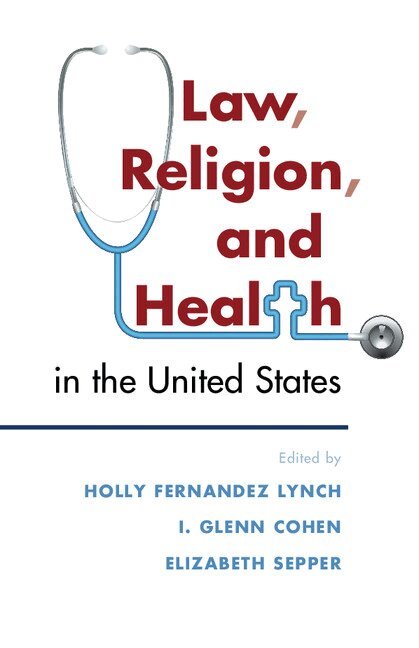
While the law can create conflict between religion and health, it can also facilitate religious accommodation and protection of conscience. Finding this balance is critical to addressing the most pressing questions at the intersection of law, religion, and health in the United States: should physicians be required to disclose their religious beliefs to patients? How should we think about institutional conscience in the health care setting? How should health care providers deal with families with religious objections to withdrawing treatment? In this timely book, experts from a variety of perspectives and disciplines offer insight on these and other pressing questions, describing what the public discourse gets right and wrong, how policymakers might respond, and what potential conflicts may arise in the future. It should be read by academics, policymakers, and anyone else - patient or physician, secular or devout - interested in how US law interacts with health care and religion.
Häftad, Engelska, 2017
623 kr
Skickas inom 7-10 vardagar
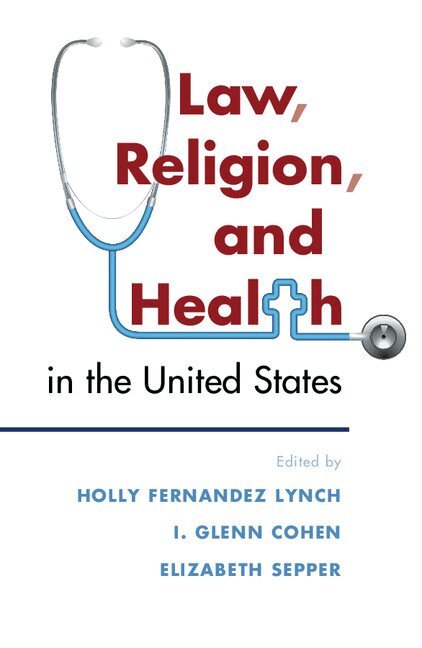
While the law can create conflict between religion and health, it can also facilitate religious accommodation and protection of conscience. Finding this balance is critical to addressing the most pressing questions at the intersection of law, religion, and health in the United States: should physicians be required to disclose their religious beliefs to patients? How should we think about institutional conscience in the health care setting? How should health care providers deal with families with religious objections to withdrawing treatment? In this timely book, experts from a variety of perspectives and disciplines offer insight on these and other pressing questions, describing what the public discourse gets right and wrong, how policymakers might respond, and what potential conflicts may arise in the future. It should be read by academics, policymakers, and anyone else - patient or physician, secular or devout - interested in how US law interacts with health care and religion.
E-bok
PDF, Engelska, 2017759 kr
Läs direkt efter köp
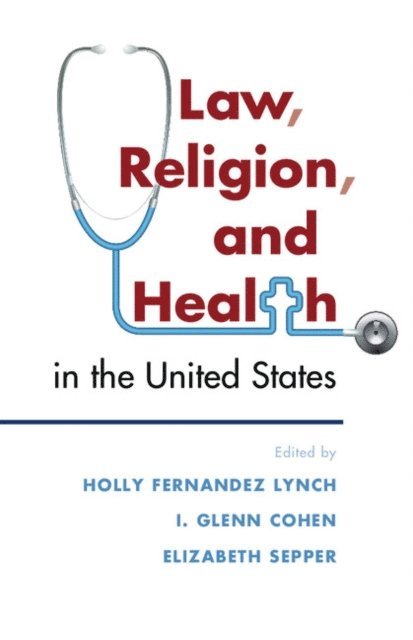
While the law can create conflict between religion and health, it can also facilitate religious accommodation and protection of conscience. Finding this balance is critical to addressing the most pressing questions at the intersection of law, religion, and health in the United States: should physicians be required to disclose their religious beliefs to patients? How should we think about institutional conscience in the health care setting? How should health care providers deal with families with religious objections to withdrawing treatment? In this timely book, experts from a variety of perspectives and disciplines offer insight on these and other pressing questions, describing what the public discourse gets right and wrong, how policymakers might respond, and what potential conflicts may arise in the future. It should be read by academics, policymakers, and anyone else - patient or physician, secular or devout - interested in how US law interacts with health care and religion.
E-bok
Engelska, 2017759 kr
Läs direkt efter köp
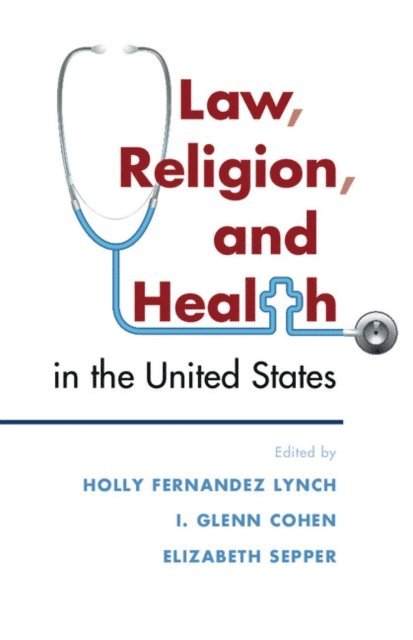
While the law can create conflict between religion and health, it can also facilitate religious accommodation and protection of conscience. Finding this balance is critical to addressing the most pressing questions at the intersection of law, religion, and health in the United States: should physicians be required to disclose their religious beliefs to patients? How should we think about institutional conscience in the health care setting? How should health care providers deal with families with religious objections to withdrawing treatment? In this timely book, experts from a variety of perspectives and disciplines offer insight on these and other pressing questions, describing what the public discourse gets right and wrong, how policymakers might respond, and what potential conflicts may arise in the future. It should be read by academics, policymakers, and anyone else - patient or physician, secular or devout - interested in how US law interacts with health care and religion.