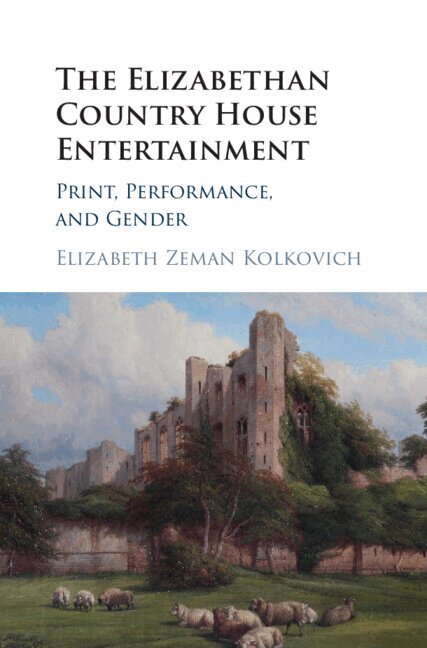
This is the first full-length critical study of country house entertainment, a genre central to late Elizabethan politics. It shows how the short plays staged for the Queen at country estates like Kenilworth Castle and Elvetham shaped literary trends and intervened in political debates, including whether women made good politicians and what roles the church and local culture should play in definitions of England. In performance and print, country house entertainments facilitated political negotiations, rethought gender roles, and crafted regional and national identities. In its investigation of how the hosts used performances to negotiate local and national politics, the book also sheds light on how and why such entertainments enabled female performance and authorship at a time when English women did not write or perform commercial plays. Written in a lively and accessible style, this is fascinating reading for scholars and students of early modern literature, theatre, and women's history.
'Shakespeare and authorial networks in early modern drama' examines how intertextual exchanges shaped Shakespeare’s plays. Drawing on social network theory, it traces his sustained creative dialogue with Michael Drayton, John Marston and George Chapman, showing how shared discourses at cultural institutions and within patronage families informed recurring topics across their works. The study argues that Shakespeare’s engagement with institutional and social environments did not require direct membership or patronage; instead, looser ties influenced his authorship. By revealing how thematic and stylistic developments emerged through long-term conversations among playwrights, the book offers new insight into Shakespeare’s writing process and collaborative practices. It provides alternative models of authorship, influence and literary exchange that nuance conventional accounts of early modern patronage and highlight the significance of networks in shaping dramatic production.
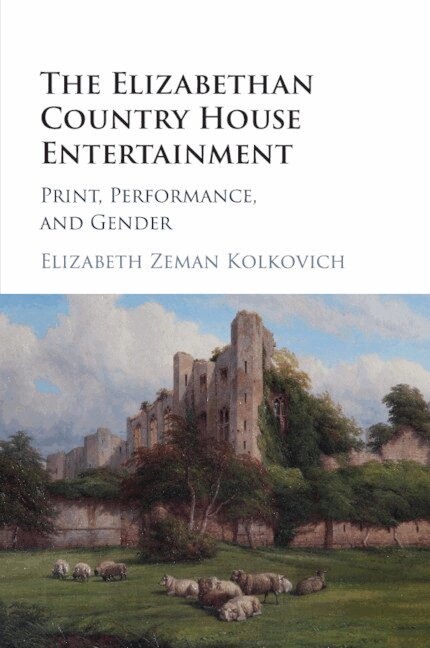
This is the first full-length critical study of country house entertainment, a genre central to late Elizabethan politics. It shows how the short plays staged for the Queen at country estates like Kenilworth Castle and Elvetham shaped literary trends and intervened in political debates, including whether women made good politicians and what roles the church and local culture should play in definitions of England. In performance and print, country house entertainments facilitated political negotiations, rethought gender roles, and crafted regional and national identities. In its investigation of how the hosts used performances to negotiate local and national politics, the book also sheds light on how and why such entertainments enabled female performance and authorship at a time when English women did not write or perform commercial plays. Written in a lively and accessible style, this is fascinating reading for scholars and students of early modern literature, theatre, and women's history.
'Shakespeare and authorial networks in early modern drama' examines how intertextual exchanges shaped Shakespeare’s plays. Drawing on social network theory, it traces his sustained creative dialogue with Michael Drayton, John Marston and George Chapman, showing how shared discourses at cultural institutions and within patronage families informed recurring topics across their works. The study argues that Shakespeare’s engagement with institutional and social environments did not require direct membership or patronage; instead, looser ties influenced his authorship. By revealing how thematic and stylistic developments emerged through long-term conversations among playwrights, the book offers new insight into Shakespeare’s writing process and collaborative practices. It provides alternative models of authorship, influence and literary exchange that nuance conventional accounts of early modern patronage and highlight the significance of networks in shaping dramatic production.