Ellen Scheinberg – författare
Visar alla böcker från författaren Ellen Scheinberg. Handla med fri frakt och snabb leverans.
2 produkter
2 produkter
E-bok
Engelska, 2015232 kr
Läs direkt efter köp
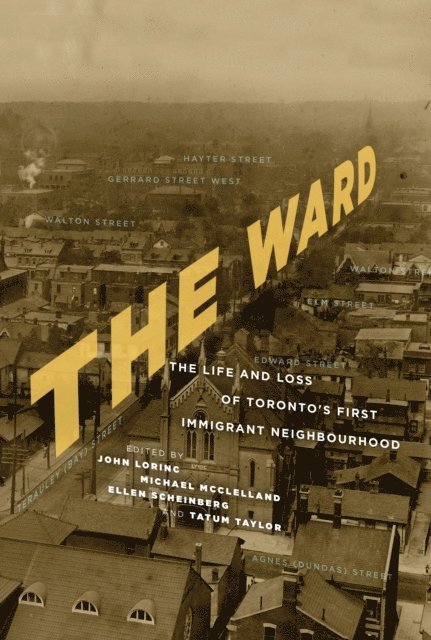
From the 1870s to the 1950s, waves of immigrants to Toronto – Irish, Jewish, Chinese and Italian, among others – landed in ‘The Ward’ in the centre of downtown. Deemed a slum, the area was crammed with derelict housing and ‘ethnic’ businesses; it was razed in the 1950s to make way for a grand civic plaza and modern city hall. Archival photos and contributions from a wide variety of voices finally tell the story of this complex neighbourhood and the lessons it offers about immigration and poverty in big cities. Contributors include historians, politicians, architects and descendents of Ward residents on subjects such as playgrounds, tuberculosis, bootlegging and Chinese laundries.With essays by Howard Akler, Denise Balkissoon, Steve Bulger, Jim Burant, Arlene Chan, Alina Chatterjee, Cathy Crowe, Richard Dennis, Ruth Frager, Richard Harris, Gaetan Heroux, Edward Keenan, Bruce Kidd, Mark Kingwell, Jack Lipinsky, John Lorinc, Shawn Micallef, Howard Moscoe, Laurie Monsebraaten, Terry Murray, Ratna Omidvar, Stephen Otto, Vincenzo Pietropaolo, Michael Posner, Michael Redhill, Victor Russell, Ellen Scheinberg, Sandra Shaul, Myer Siemiatycki, Mariana Valverde, Thelma Wheatley, Kristyn Wong-Tam and Paul Yee, among others.
Häftad, Engelska, 2015
221 kr
Tillfälligt slut
From the 1840s until the Second World War, waves of newcomers who migrated to Toronto -- Irish, Jewish, Italian, African American and Chinese, among others -- landed in 'The Ward.' Crammed with rundown housing and immigrant-owned businesses, this area, bordered by College and Queen, University and Yonge streets, was home to bootleggers, Chinese bachelors, workers from the nearby Eaton's garment factories and hard-working peddlers. But the City considered it a slum, and bulldozed the area in the late 1950s to make way for a new civic square. The Ward finally tells the diverse stories of this extraordinary and resilient neighbourhood through archival photos and contributions from a wide array of voices, including historians, politicians, architects, story--tellers, journalists and descendants of Ward residents. Their perspectives on playgrounds, tuberculosis, sex workers, newsies and even bathing bring The Ward to life and, in the process, raise important questions about how contemporary cities handle immigration, poverty and the geography of difference.