Elliot Bostwick Davis – författare
Visar alla böcker från författaren Elliot Bostwick Davis. Handla med fri frakt och snabb leverans.
2 produkter
2 produkter
Inbunden, Engelska, 2023
579 kr
Tillfälligt slut
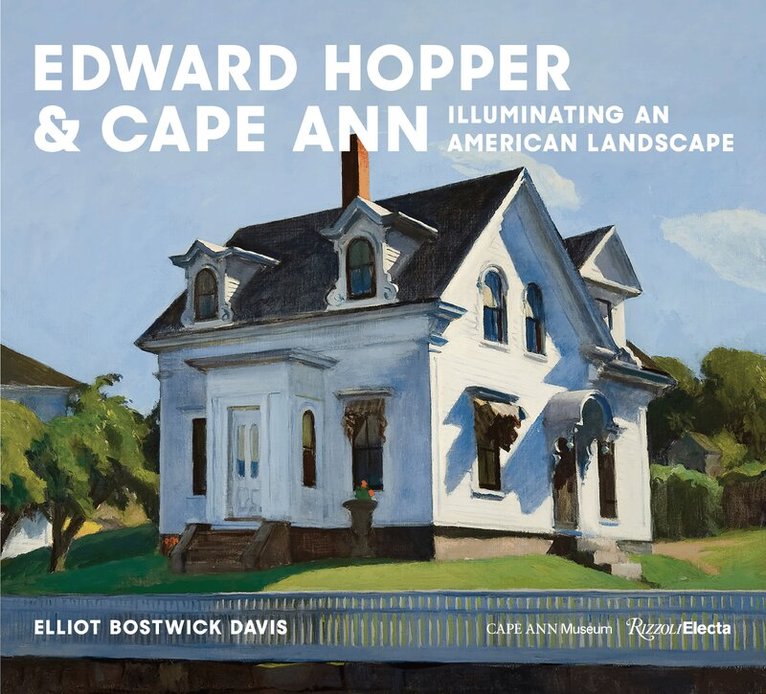
A fresh look at one of America’s best-known and beloved artists at a pivotal but little-known moment in his life that profoundly shaped both his art and career.This “lavishly produced” art coffee table book features 175 landscapes and seascapes from Edward Hopper’s time at an artist colony in Gloucester in the 1920s (The Washington Post).Edward Hopper & Cape Ann tells the largely ignored but significant origin story of Edward Hopper’s years in and around Gloucester, Massachusetts—a period and place that imbued Hopper’s paintings with a clarity and purpose that had eluded his earlier work. This volume focuses on summers Hopper spent there in the 1920s, starting in 1923, when he first embraced watercolor during outdoor painting excursions on Cape Ann and discovered one of his favorite subjects: houses and vernacular architecture. The success of Hopper’s Gloucester watercolors transformed his work in all media and set the stage for his monumental career.Accompanying a major retrospective at the Cape Ann Museum, including an unprecedented loan of twenty-eight works from the Whitney Museum of American Art, this highly readable and beautifully illustrated volume reveals in great depth the lesser-known story about the influence of a young painter, Josephine Nivison, who became not only Hopper’s wife but also the most trusted force underlying his artistic confidence. Here she is recast as principal producer of Hopper’s distinctive style and his “brand” visionary from the time of their courtship until his death in 1967.
Häftad, Engelska, 2016
88 kr
Tillfälligt slut
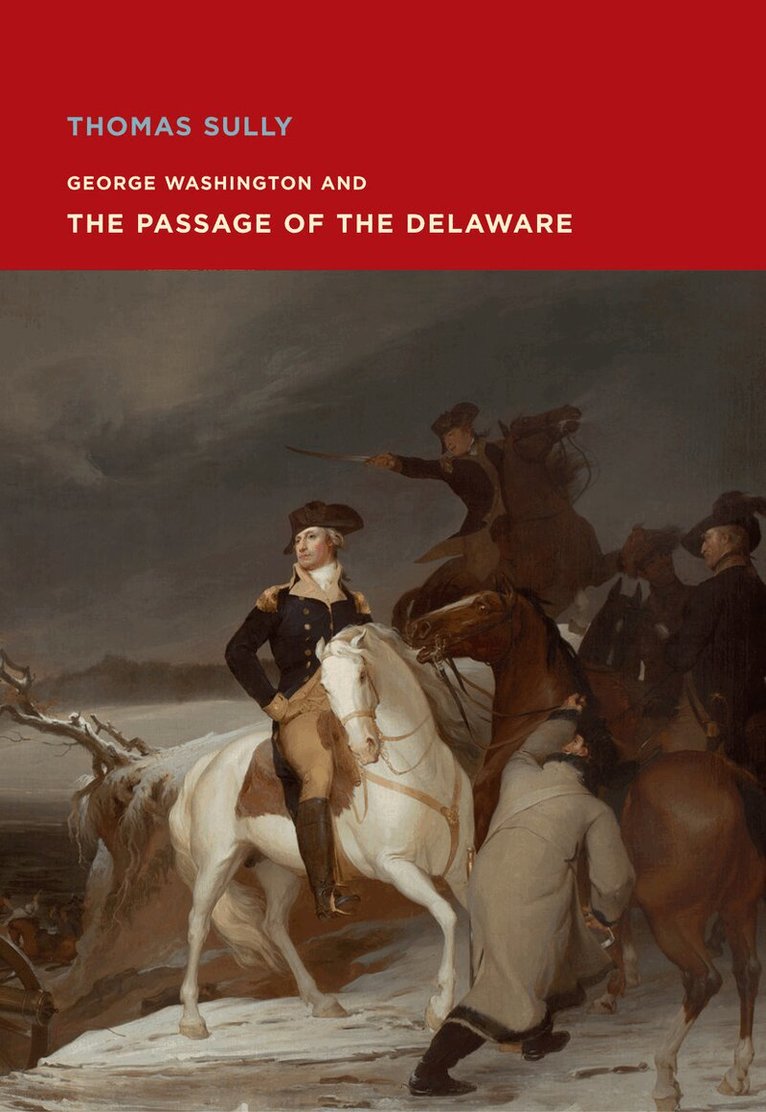
On the night of 25 December 1776, George Washington led his ragged Continental Army through a snowstorm across the Delaware River, on the way to a surprise attack that would turn the tide of the American Revolution. More than forty years later, the ambitious young painter Thomas Sully chose this dramatic moment as the subject of a portrait of the founding father. He combined careful research into contemporary sources, compositional models drawn from European and American history paintings, and his own flair for theatricality to create a monumental panorama. In it, a dramatically lighted Washington urges on the troops from the back of a magnificent white steed, while his troops contend with the wintry river crossing below. The Passage of the Delaware, the first large-scale painting of this iconic moment, was created in the early years of the burgeoning cult of George Washington, when American artists, writers, and politicians evoked the heroic deeds of the founding fathers to foster a sense of national purpose and unity. This compact introduction to the painting reveals how Sully’s imagination, technique, and ambition came together to embody the drama of the Revolution and the character of its leaders.