Elliot Fishman - Böcker
Visar alla böcker från författaren Elliot Fishman. Handla med fri frakt och snabb leverans.
3 produkter
3 produkter
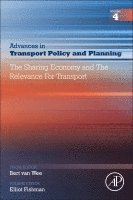
Del 4 - Advances in Transport Policy and Planning
The Sharing Economy and the Relevance for Transport
Häftad, Engelska, 2019
1 788 kr
Skickas inom 7-10 vardagar
The Sharing Economy and the Relevance for Transport, Volume Four in the Advances in Transport Policy and Planning series, assesses both successful and unsuccessful practices and policies from around the world. Individual chapters in this new release include Cars and cities in the sharing economy, The future of public transport within the sharing economy, Sharing vehicles and sharing rides in real time: opportunities for self-driving fleets, Car parking in the future, Car share's impact and future, Bike Share, and much more.
Provides the authority and expertise of leading contributors from an international board of authors Presents the latest release in the Advances in Transport Policy and Planning series Updated release includes the latest information on the evolving impact of The Sharing Economy and The Relevance For Transport2 113 kr
Skickas inom 10-15 vardagar
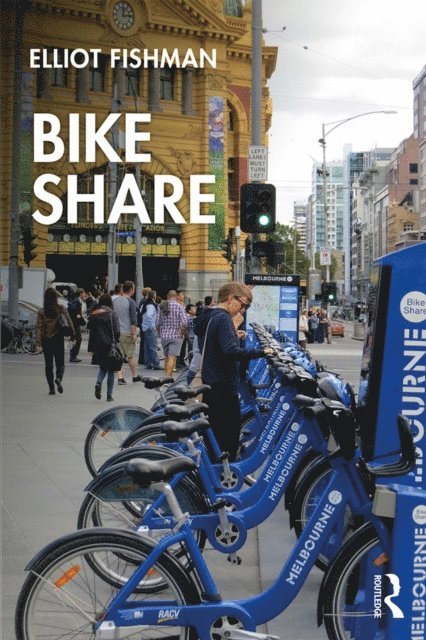
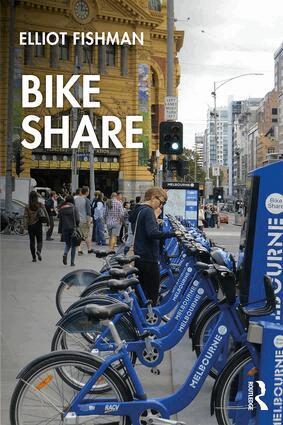
There are now over 2,000 cities with a bike share program. Bike Share examines all the major developments in the 50-year history of bike share. The book provides a detailed focus on contemporary bike share programs, including many of the most prominent systems, such as those in Paris, London, and New York, as well as the rapidly emerging dockless bike share sector. This book also addresses how rapid technological innovation, particularly in terms of mobile internet devices and electric assist bicycles may change the face of not just cycling, but urban mobility more generally.By the end of 2018 it was estimated that there are more than 20 million bicycles in the global bike share fleet, with most of these dockless, coming online only in the last three years. Consequently, research examining bike share has not kept pace with the rapid deployment of this new form of urban mobility.Bike Share addresses a number of key themes such as: The urban age, contextualising bike share within a wider urbanism movement and how it sits within the growing sharing economy. The impact of bike share, looking at systems in China, Europe, North America and Australia to see how these programs have changed travel patterns and consequent impact on car use, emissions, congestion, public health and safety. The bike share business model, including how ride sourcing services like Uber and Lyft are beginning to integrate their business with bike share service providers. Public reaction to bike share. Bike share gone wrong, looking at systems that have failed to achieve their ridership estimates. And the future of bike share including public transport smart card integration, mobile payments, and electric assist bicycles.The book provides scholars, city planners, transportation practitioners and students with a resource that captures the most pertinent scientific findings and practical lessons that have been from bike share programs around the world.
537 kr
Skickas inom 10-15 vardagar
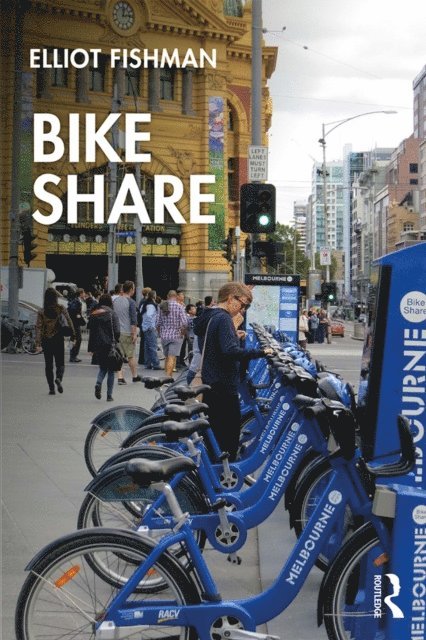
There are now over 2,000 cities with a bike share program. Bike Share examines all the major developments in the 50-year history of bike share. The book provides a detailed focus on contemporary bike share programs, including many of the most prominent systems, such as those in Paris, London, and New York, as well as the rapidly emerging dockless bike share sector. This book also addresses how rapid technological innovation, particularly in terms of mobile internet devices and electric assist bicycles may change the face of not just cycling, but urban mobility more generally.By the end of 2018 it was estimated that there are more than 20 million bicycles in the global bike share fleet, with most of these dockless, coming online only in the last three years. Consequently, research examining bike share has not kept pace with the rapid deployment of this new form of urban mobility.Bike Share addresses a number of key themes such as: The urban age, contextualising bike share within a wider urbanism movement and how it sits within the growing sharing economy. The impact of bike share, looking at systems in China, Europe, North America and Australia to see how these programs have changed travel patterns and consequent impact on car use, emissions, congestion, public health and safety. The bike share business model, including how ride sourcing services like Uber and Lyft are beginning to integrate their business with bike share service providers. Public reaction to bike share. Bike share gone wrong, looking at systems that have failed to achieve their ridership estimates. And the future of bike share including public transport smart card integration, mobile payments, and electric assist bicycles.The book provides scholars, city planners, transportation practitioners and students with a resource that captures the most pertinent scientific findings and practical lessons that have been from bike share programs around the world.