Elumalai Kannan – författare
Visar alla böcker från författaren Elumalai Kannan. Handla med fri frakt och snabb leverans.
6 produkter
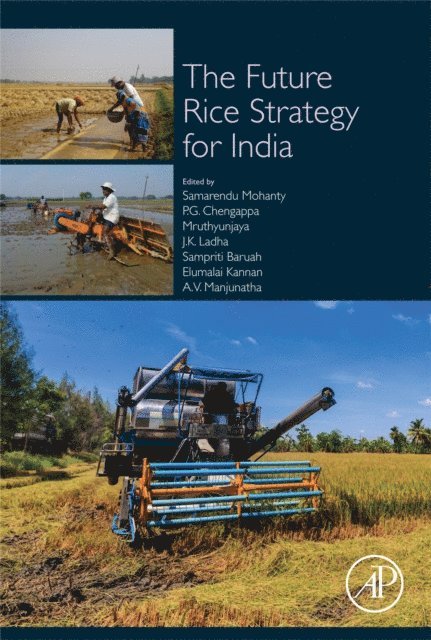
The Future Rice Strategy for India
Av Samarendu Mohanty, P. G. Chengappa m. fl.
Häftad, 2017
1277 kr
Lägg i varukorg
The Future Rice Strategy for India presents forward-looking insights toward achieving sustainable development of the rice sector, ensuring future food and nutritional security. As a staple food for many in India, including the economically disadvantaged, there are many concerns that affect the …
Future Rice Strategy for India
Av A. V. Manjunatha, Elumalai Kannan m. fl.
E-bok, 2017
1814 kr
Lägg i varukorg
The Future Rice Strategy for India presents forward-looking insights toward achieving sustainable development of the rice sector, ensuring future food and nutritional security. As a staple food for many in India, including the economically disadvantaged, there are many concerns that affect the …
The Future Rice Strategy for India
Av Samarendu Mohanty, P. G. Chengappa m. fl.
Inbunden, 2017
1419 kr
Lägg i varukorg
The Future Rice Strategy for India presents forward-looking insights toward achieving sustainable development of the rice sector, ensuring future food and nutritional security. As a staple food for many in India, including the economically disadvantaged, there are many concerns that affect the …
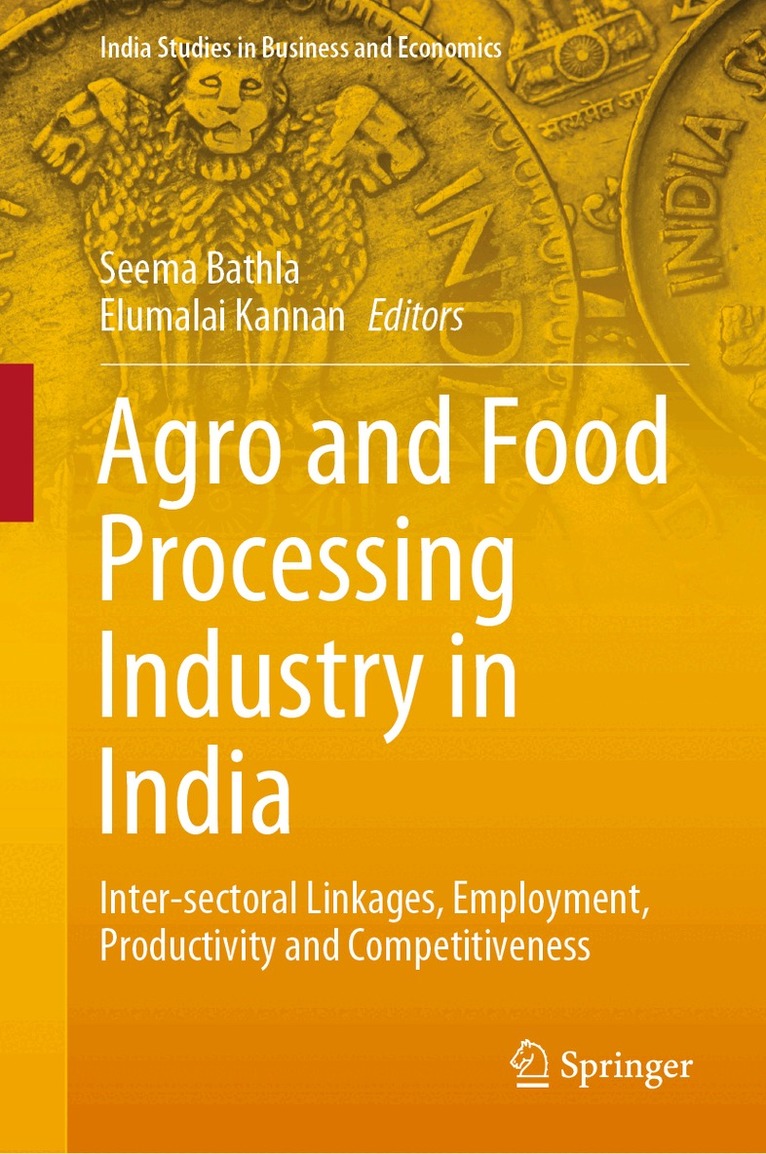
Agro and Food Processing Industry in India
Inter-sectoral Linkages, Employment, Productivity and Competitiveness
Av Seema Bathla, Elumalai Kannan
Inbunden, 2021
1425 kr
Lägg i varukorg
This book provides different facets of India's agro and food processing industry in both organised and unorganised segments. It brings forth the topical issues having potential to accelerate the pace of growth in its employment, investment and productivity and strive for improving the global …
Agro and Food Processing Industry in India
Inter-sectoral Linkages, Employment, Productivity and Competitiveness
Av Elumalai Kannan, Seema Bathla
E-bok, 2021
1785 kr
Lägg i varukorg
This book provides different facets of India''s agro and food processing industry in both organised and unorganised segments. It brings forth the topical issues having potential to accelerate the pace of growth in its employment, investment and productivity and strive for improving the global …
Agro and Food Processing Industry in India
Inter-sectoral Linkages, Employment, Productivity and Competitiveness
Av Seema Bathla, Elumalai Kannan
Häftad, 2022
1425 kr
Lägg i varukorg
This book provides different facets of India's agro and food processing industry in both organised and unorganised segments. It brings forth the topical issues having potential to accelerate the pace of growth in its employment, investment and productivity and strive for improving the global …