Emanuela Cervato – författare
Visar alla böcker från författaren . Handla med fri frakt och snabb leverans.
2 produkter
2 produkter
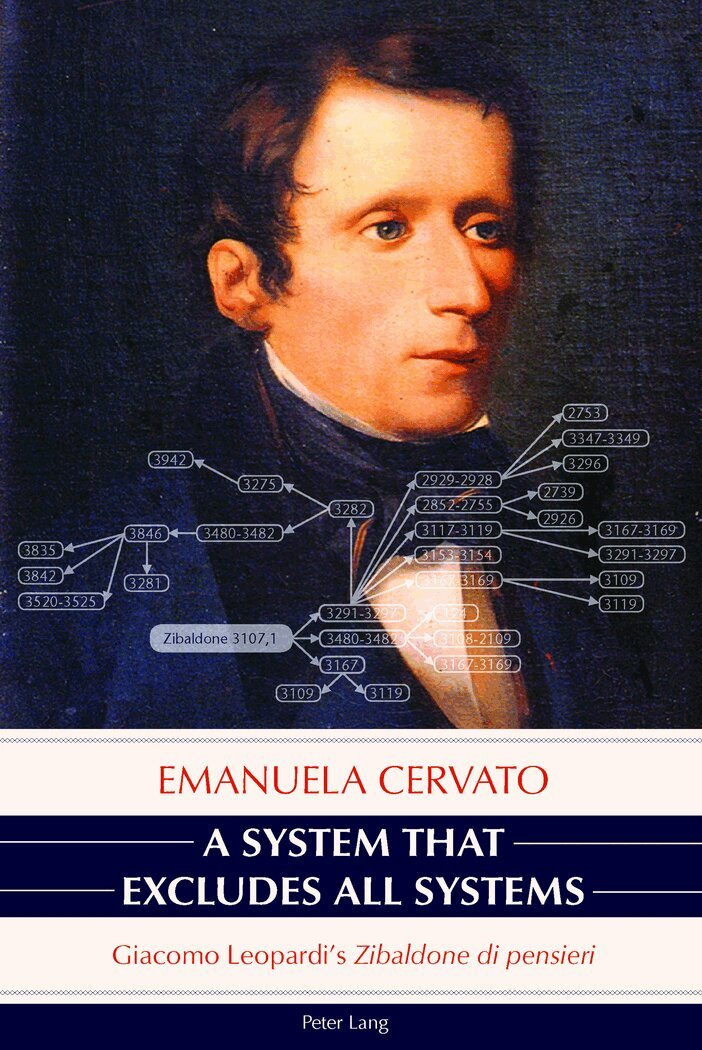
Inbunden, Engelska, 2017
1 131 kr
Skickas inom 5-8 vardagar
For many decades Giacomo Leopardi’s Zibaldone di pensieri has been seen as a collection of temporary thoughts and impressions whose final expression is to be found in the published poems (the Canti) and satirical dialogues (the Operette morali). The conceptual consistency of the work was thereby denied, privileging Leopardi the poet over Leopardi the thinker.This book shows that such a perceived lack of coherence is merely illusory. The Zibaldone is drawn together by an intricate web of references centring around topics such as the ambivalent concept of nature; the Heraclitean «union of opposites» (ancients and moderns, poetry and philosophy, reason and imagination); and the tension between the desire for happiness and the impossibility of its realization. Largely unknown to the English-speaking world until its translation in 2013, the Zibaldone is Leopardi’s intellectual diary, the place where dialogue with the ancient classical traditions evolves into modern encyclopaedism and what has been described as «thought in movement». It establishes Leopardi as one of the most original and radical thinkers of the nineteenth century.
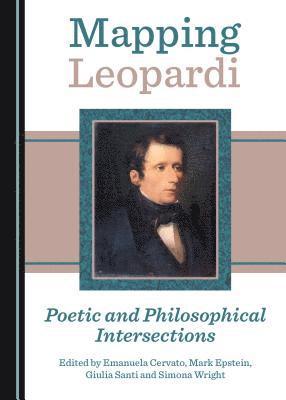
Inbunden, Engelska, 2019
1 781 kr
Tillfälligt slut
Are you curious about the private laboratory of Giacomo Leopardi, Italy's greatest modern lyrical poet? Interested in using expert maps to explore it, while deepening your acquaintance with one of the most creative materialist thinkers? This collection of essays makes very original use of the new translation of Leopardi's Zibaldone di pensieri and investigates its connections to all his other works. Whether your primary interest lies in Italian literature and criticism, linguistics and poetics, the origins of genres such as the fantastic, or in philosophical queries regarding materialism and hedonism, this collection offers original research that will challenge the reader to view this outstanding intellectual in a new light. Offering some of the earliest reflections against anthropocentrism, championing the artist's interest in the natural sciences, and questioning humanity's purpose(s) in this world, Leopardi's work is presented in this volume as an indispensable tool to understand the complexity of Italy's cultural transformations between the 18th and the 19th centuries.