Emile Chabal – författare
Visar alla böcker från författaren Emile Chabal. Handla med fri frakt och snabb leverans.
17 produkter
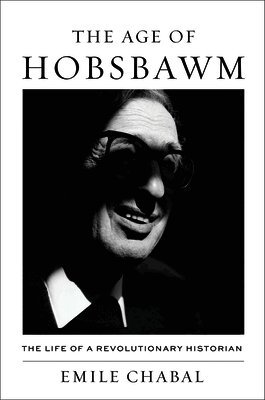
Age of Hobsbawm
The Life of a Revolutionary Historian
Av Emile Chabal
Inbunden, 2026
322 kr
Lägg i varukorg
An intellectual biography of Eric Hobsbawm, one of the most influential thinkers of the twentieth century.Eric Hobsbawm (1917–2012) was one of the foremost European intellectuals of the twentieth century. He published hundreds of articles on modern history and culture, and his books became …
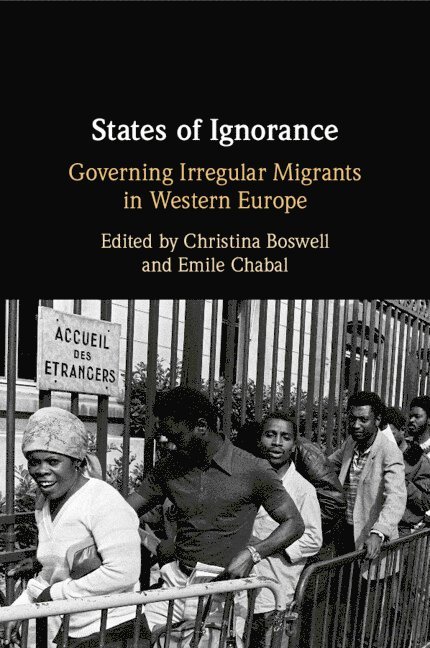
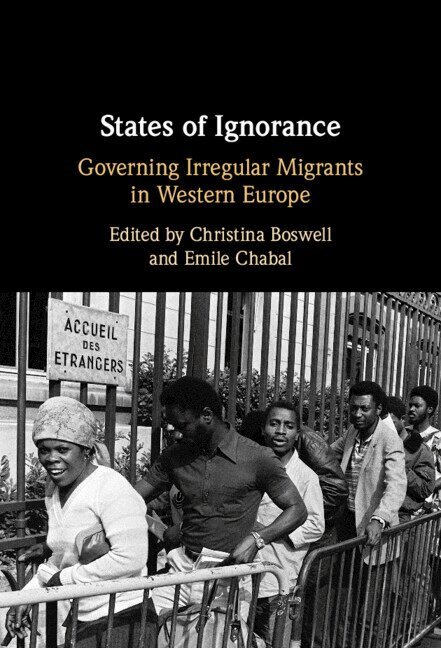
States of Ignorance
Governing Irregular Migrants in Western Europe
Av Christina Boswell, Emile Chabal
Häftad, 2025
428 kr
Lägg i varukorg
Much attention has been focused on how states produce knowledge about the people they govern; far less has been written about those aspects of society that states choose to keep obscure. This book makes an original contribution to understanding state ignorance by focusing on one of the most complex …
States of Ignorance
Governing Irregular Migrants in Western Europe
Av Emile Chabal, Christina Boswell
E-bok, 2023
450 kr
Lägg i varukorg
States of Ignorance
Governing Irregular Migrants in Western Europe
Av Emile Chabal, Christina Boswell
E-bok, 2023
450 kr
Lägg i varukorg
States of Ignorance
Governing Irregular Migrants in Western Europe
Av Christina Boswell, Emile Chabal
Inbunden, 2023
1348 kr
Lägg i varukorg
Much attention has been focused on how states produce knowledge about the people they govern; far less has been written about those aspects of society that states choose to keep obscure. This book makes an original contribution to understanding state ignorance by focusing on one of the most complex …
A Divided Republic
Nation, State and Citizenship in Contemporary France
Av Emile Chabal
Inbunden, 2015
1677 kr
Lägg i varukorg
This book is an original and sophisticated historical interpretation of contemporary French political culture. Until now, there have been few attempts to understand the political consequences of the profound geopolitical, intellectual and economic changes that France has undergone since the 1970s. …
A Divided Republic
Nation, State and Citizenship in Contemporary France
Av Emile Chabal
Häftad, 2016
586 kr
Lägg i varukorg
This book is an original and sophisticated historical interpretation of contemporary French political culture. Until now, there have been few attempts to understand the political consequences of the profound geopolitical, intellectual and economic changes that France has undergone since the 1970s. …
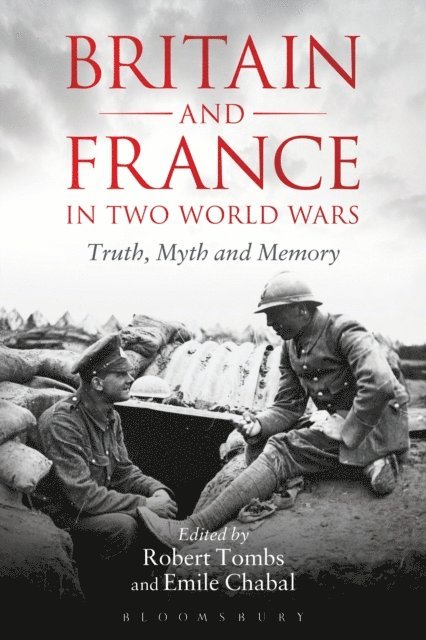
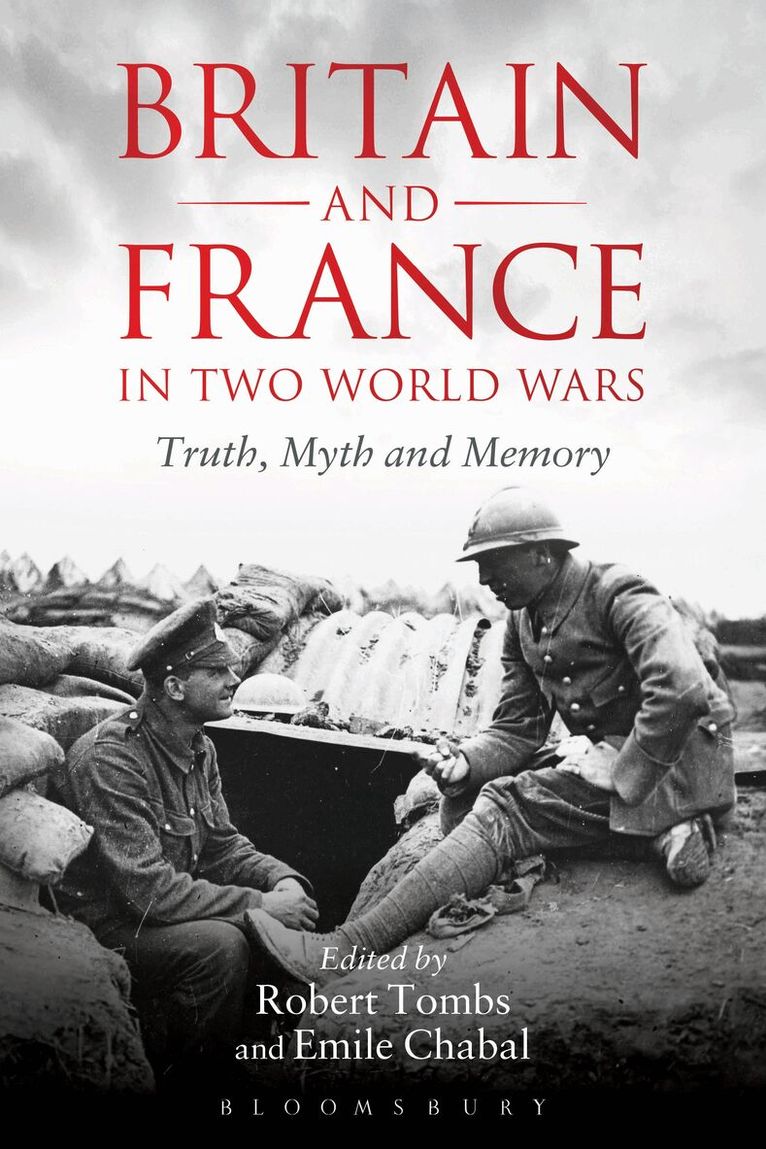
Britain and France in Two World Wars
Truth, Myth and Memory
E-bok, 2013
530 kr
Lägg i varukorg
France and Britain, indispensable allies in two world wars, remember and forget their shared history in contrasting ways. The book examines key episodes in the relationship between the two countries, including the outbreak of war in 1914, the battles of the Somme and Verdun, the Fall of France in …
Britain and France in Two World Wars
Truth, Myth and Memory
Häftad, 2013
488 kr
Lägg i varukorg
France and Britain, indispensable allies in two world wars, remember and forget their shared history in contrasting ways. The book examines key episodes in the relationship between the two countries, including the outbreak of war in 1914, the battles of the Somme and Verdun, the Fall of France in …
Britain and France in Two World Wars
Truth, Myth and Memory
E-bok, 2013
518 kr
Lägg i varukorg
France and Britain, indispensable allies in two world wars, remember and forget their shared history in contrasting ways. The book examines key episodes in the relationship between the two countries, including the outbreak of war in 1914, the battles of the Somme and Verdun, the Fall of France in …
Britain and France in Two World Wars
Truth, Myth and Memory
Inbunden, 2013
2047 kr
Lägg i varukorg
France and Britain, indispensable allies in two world wars, remember and forget their shared history in contrasting ways. The book examines key episodes in the relationship between the two countries, including the outbreak of war in 1914, the battles of the Somme and Verdun, the Fall of France in …
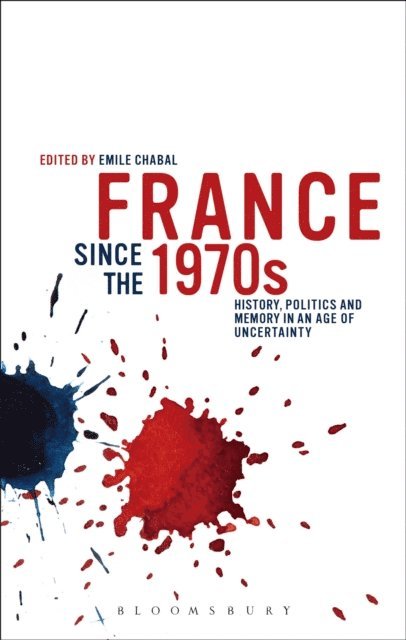
France since the 1970s
History, Politics and Memory in an Age of Uncertainty
Av Emile Chabal
Inbunden, 2014
1894 kr
Lägg i varukorg
Until the mid-20th century, France saw itself as a great power with universalist aspirations and global ambitions. But the Second World War and decolonisation irrevocably changed France’s place in the world. Despite attempts to restore the country’s ‘grandeur’ in the 1960s, the French have been …
France since the 1970s
History, Politics and Memory in an Age of Uncertainty
Av Emile Chabal
E-bok, 2014
2020 kr
Lägg i varukorg
Until the mid-20th century, France saw itself as a great power with universalist aspirations and global ambitions. But the Second World War and decolonisation irrevocably changed France''s place in the world. Despite attempts to restore the country''s ''grandeur'' in the 1960s, the French have been …
France since the 1970s
History, Politics and Memory in an Age of Uncertainty
Av Emile Chabal
E-bok, 2014
2087 kr
Lägg i varukorg
Until the mid-20th century, France saw itself as a great power with universalist aspirations and global ambitions. But the Second World War and decolonisation irrevocably changed France''s place in the world. Despite attempts to restore the country''s ''grandeur'' in the 1960s, the French have been …
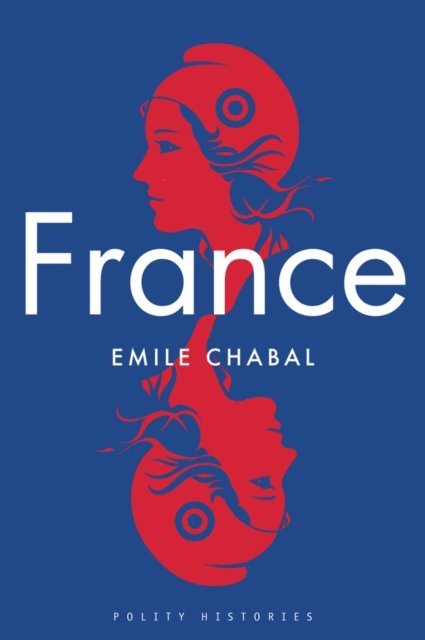
France
Av Emile Chabal
Inbunden, 2020
457 kr
Lägg i varukorg
France is the most-visited country in the world. It attracts millions of tourists, most of whom come in search of beautiful architecture, good food, and fine art. But appearances can be deceptive. France is not only a place of culture and glamour; it also carries the bitter memories of violence, …
France
Av Emile Chabal
Häftad, 2020
177 kr
Lägg i varukorg
France is the most-visited country in the world. It attracts millions of tourists, most of whom come in search of beautiful architecture, good food, and fine art. But appearances can be deceptive. France is not only a place of culture and glamour; it also carries the bitter memories of violence, …
France
Av Emile Chabal
E-bok, 2020
286 kr
Lägg i varukorg
France is the most-visited country in the world. It attracts millions of tourists, most of whom come in search of beautiful architecture, good food, and fine art. But appearances can be deceptive. France is not only a place of culture and glamour; it also carries the bitter memories of violence, …