Emiliana Mangone – författare
Visar alla böcker från författaren Emiliana Mangone. Handla med fri frakt och snabb leverans.
16 produkter
16 produkter
Inbunden, Engelska, 2024
2 013 kr
Skickas inom 10-15 vardagar
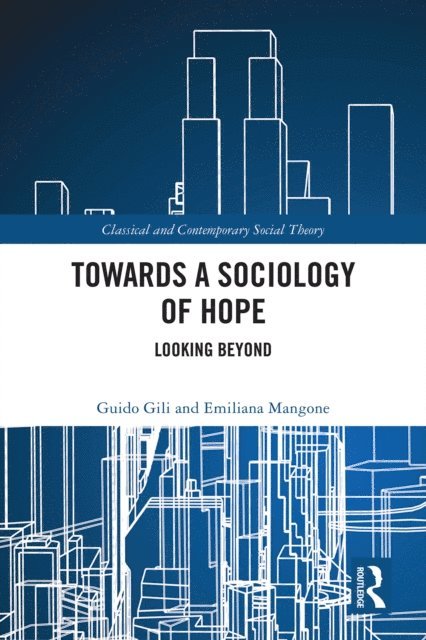
Why does hope appear in certain epochs and places, only at other times to disappear from people’s lives and from society as a whole? This book addresses hope from a sociological perspective, offering a theoretical framework and a set of concepts to consider a range of questions. With attention to who the historical bearers of hope are, and which social groups are most inclined towards hope and why. It also considers the objects and goals towards which their hope is directed and the conditions under which hope is easier. An enquiry into the relationship between hope and social, cultural, economic and political conditions, this volume redirects the sociological gaze towards the discovery of social experiences in which hope resurrects and contributes to the imagination of a new social world. It will therefore appeal to scholars of sociology and social theory with interests in the emotions, social practices and social movements.
Häftad, Engelska, 2026
643 kr
Skickas inom 10-15 vardagar
Why does hope appear in certain epochs and places, only at other times to disappear from people’s lives and from society as a whole? This book addresses hope from a sociological perspective, offering a theoretical framework and a set of concepts to consider a range of questions. With attention to who the historical bearers of hope are, and which social groups are most inclined towards hope and why. It also considers the objects and goals towards which their hope is directed and the conditions under which hope is easier. An enquiry into the relationship between hope and social, cultural, economic and political conditions, this volume redirects the sociological gaze towards the discovery of social experiences in which hope resurrects and contributes to the imagination of a new social world. It will therefore appeal to scholars of sociology and social theory with interests in the emotions, social practices and social movements.
Inbunden, Engelska, 2026
3 545 kr
Kommande
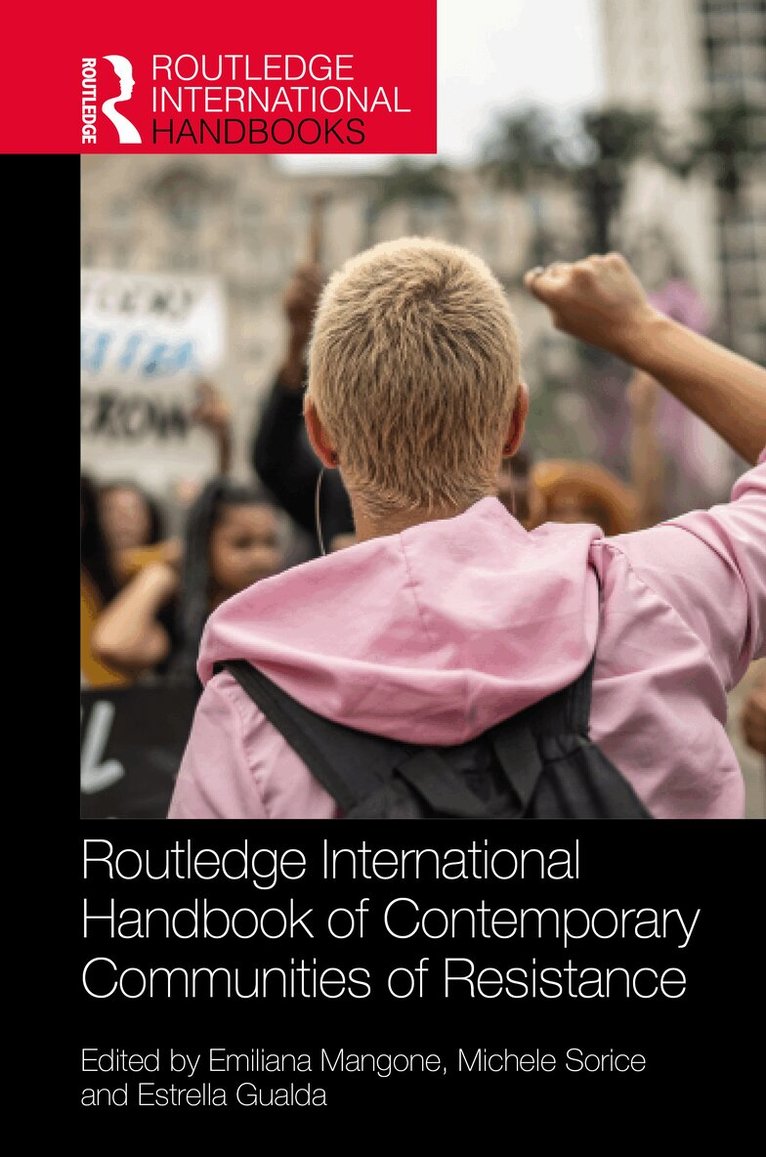
In an era defined by social upheaval and rapid digital transformation, this Handbook offers a compelling exploration of how communities are reshaping the cultural, economic, and political fabric of contemporary life. It argues that today’s social and digital spaces have evolved into a new kind of public “agora” – not simply arenas for critique, but dynamic sites where citizens collectively reinvent the foundations of democratic life.At the heart of the Handbook is the concept of the “community of resistance”: groups of individuals who, facing crisis or unsettling change, come together to protect and reinforce their social bonds, identities, and institutions. Through these collective practices, they forge new forms of participatory citizenship and grassroots activism that challenge traditional power structures.Blending theory, case studies, and critical analysis, the Handbook reveals how these bottom-up initiatives are increasingly shaping political agendas and seeking institutional recognition. It illuminates a vibrant field of democratic experimentation – one in which everyday people are turning resistance into policy, transforming activism into legitimacy, and reimagining what it means to participate in public life. It will appeal to students and scholars in the social sciences, particularly to those interested in community, the digital transformation of society, social movements, and political resistance.
Häftad, Engelska, 2017
529 kr
Skickas inom 5-8 vardagar
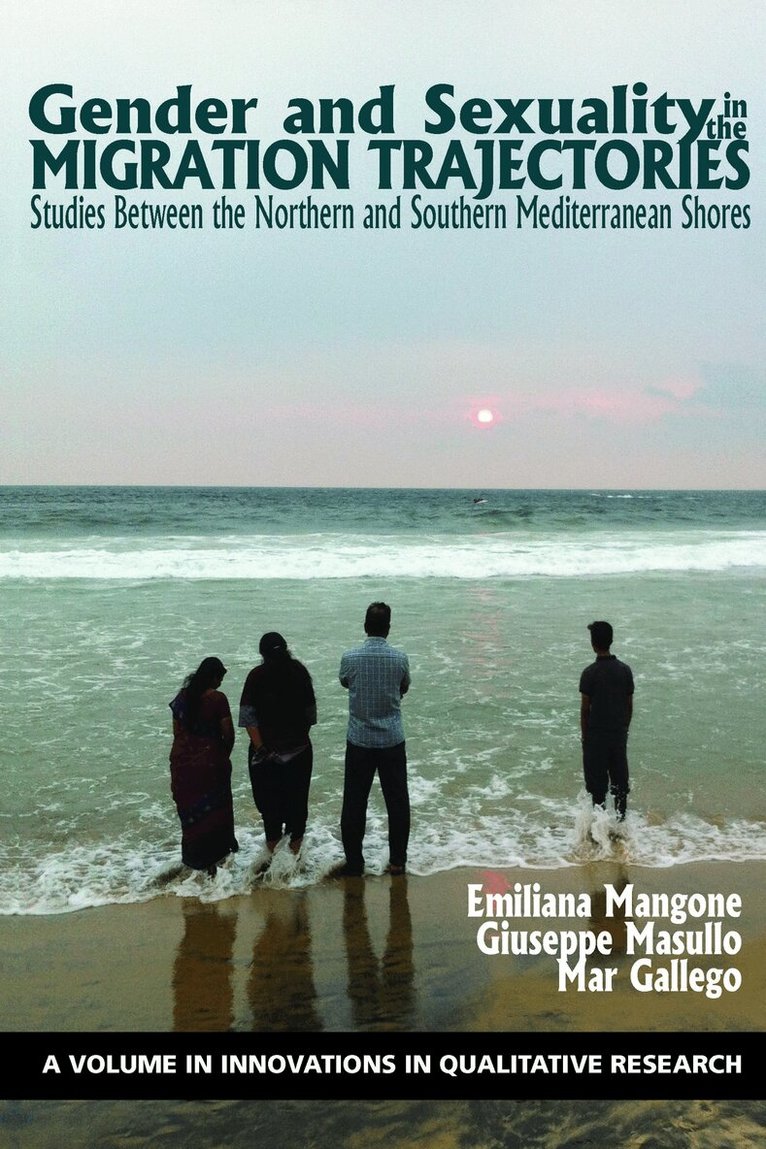
The concept of “gender” has recently become one of the symbols of what many consider “a clash of civilizations” between the West and Muslim countries. Recent events highlight how gender issues are emblematic of the basic traits of a country's culture, and thus constitute some of the elements allowing for the construction of dividing lines between cultures, arbitrarily distinguishing between the “evolved” and “backward” ones, therefore with the aim to establish demarcation lines between “Us” and the “Others”. The existential condition of migration leads to formation of multiple and diasporic identities, de- territorialized and reassembled at the individual level. In this scenario the integration of migrants is the result of a two-way process, in which rely significantly the social representations that migrants are being built on the population and of the host society (before and after the arrival) and intangible resources (cognitive and relational) experienced by migrants.Gender studies usually employing a constructionist perspective have seldom dealt with the issue of migration by analysing the experiences of the migrants themselves. The few studies have highlighted how migrants' gender and sexuality underline the persistence of a model of domination and alteration typical of the colonial era, emphasizing the social identity allocation mechanisms used by Western societies that follow essentialist visions of migrants' ethnic and sexual identity, that is, of a social status considered as inferior and undesirable. There are several theoretical and methodological challenges calling for a perspective that takes into account the interconnection between gender, sexuality and migration. Studies on sexuality have now taken two roads, often strongly polarized and non-communicating between them: on the one hand, also because of the spread of sexually transmitted diseases, appeared a new generation of surveys on sexual behaviour of Western (and others) populations and on the changes in sexual behaviour along the main socio-economic and cultural fractures. On the other, a research trend on sexuality (New Sexuality Studies) has developed with mixed purposes, both analytical and critical-emancipatory ones. This branch, which focuses almost exclusively on the study of minority sexual subcultures, portrayed sexuality mostly through the lens of power and regarded with suspicion any attempt to develop a systematic and methodologically documented analysis of sexuality.The book will have repercussions on the progress of knowledge from a macro dimension represented by the growth and the transformation of migration flows across the Mediterranean to Europe to meso dimension of social representations of gender and sexuality that the migrant builds himself and the population of the host society; finally, the micro dimension through the analysis of case studies. From these problems, the book aims to initiate a transdisciplinary reflection on such issues and sexuality, in part by reducing the clear vacuum in scientific research taking shape as an experimental laboratory of new research perspectives because we recognize, critically, how the methods of the social sciences do not simply reproduce the phenomena under study, but also contribute - a greater or lesser degree - to their construction. And at the same time making an issue of sex, sexuality and the multiple identifications of gender of and in migration, involving migratory experiences both on the side of leaving a country and on that of arriving to another.
Inbunden, Engelska, 2017
985 kr
Skickas inom 5-8 vardagar
The concept of “gender” has recently become one of the symbols of what many consider “a clash of civilizations” between the West and Muslim countries. Recent events highlight how gender issues are emblematic of the basic traits of a country's culture, and thus constitute some of the elements allowing for the construction of dividing lines between cultures, arbitrarily distinguishing between the “evolved” and “backward” ones, therefore with the aim to establish demarcation lines between “Us” and the “Others”. The existential condition of migration leads to formation of multiple and diasporic identities, de- territorialized and reassembled at the individual level. In this scenario the integration of migrants is the result of a two-way process, in which rely significantly the social representations that migrants are being built on the population and of the host society (before and after the arrival) and intangible resources (cognitive and relational) experienced by migrants.Gender studies usually employing a constructionist perspective have seldom dealt with the issue of migration by analysing the experiences of the migrants themselves. The few studies have highlighted how migrants' gender and sexuality underline the persistence of a model of domination and alteration typical of the colonial era, emphasizing the social identity allocation mechanisms used by Western societies that follow essentialist visions of migrants' ethnic and sexual identity, that is, of a social status considered as inferior and undesirable. There are several theoretical and methodological challenges calling for a perspective that takes into account the interconnection between gender, sexuality and migration. Studies on sexuality have now taken two roads, often strongly polarized and non-communicating between them: on the one hand, also because of the spread of sexually transmitted diseases, appeared a new generation of surveys on sexual behaviour of Western (and others) populations and on the changes in sexual behaviour along the main socio-economic and cultural fractures. On the other, a research trend on sexuality (New Sexuality Studies) has developed with mixed purposes, both analytical and critical-emancipatory ones. This branch, which focuses almost exclusively on the study of minority sexual subcultures, portrayed sexuality mostly through the lens of power and regarded with suspicion any attempt to develop a systematic and methodologically documented analysis of sexuality.The book will have repercussions on the progress of knowledge from a macro dimension represented by the growth and the transformation of migration flows across the Mediterranean to Europe to meso dimension of social representations of gender and sexuality that the migrant builds himself and the population of the host society; finally, the micro dimension through the analysis of case studies. From these problems, the book aims to initiate a transdisciplinary reflection on such issues and sexuality, in part by reducing the clear vacuum in scientific research taking shape as an experimental laboratory of new research perspectives because we recognize, critically, how the methods of the social sciences do not simply reproduce the phenomena under study, but also contribute - a greater or lesser degree - to their construction. And at the same time making an issue of sex, sexuality and the multiple identifications of gender of and in migration, involving migratory experiences both on the side of leaving a country and on that of arriving to another.
Häftad, Engelska, 2020
529 kr
Skickas inom 5-8 vardagar
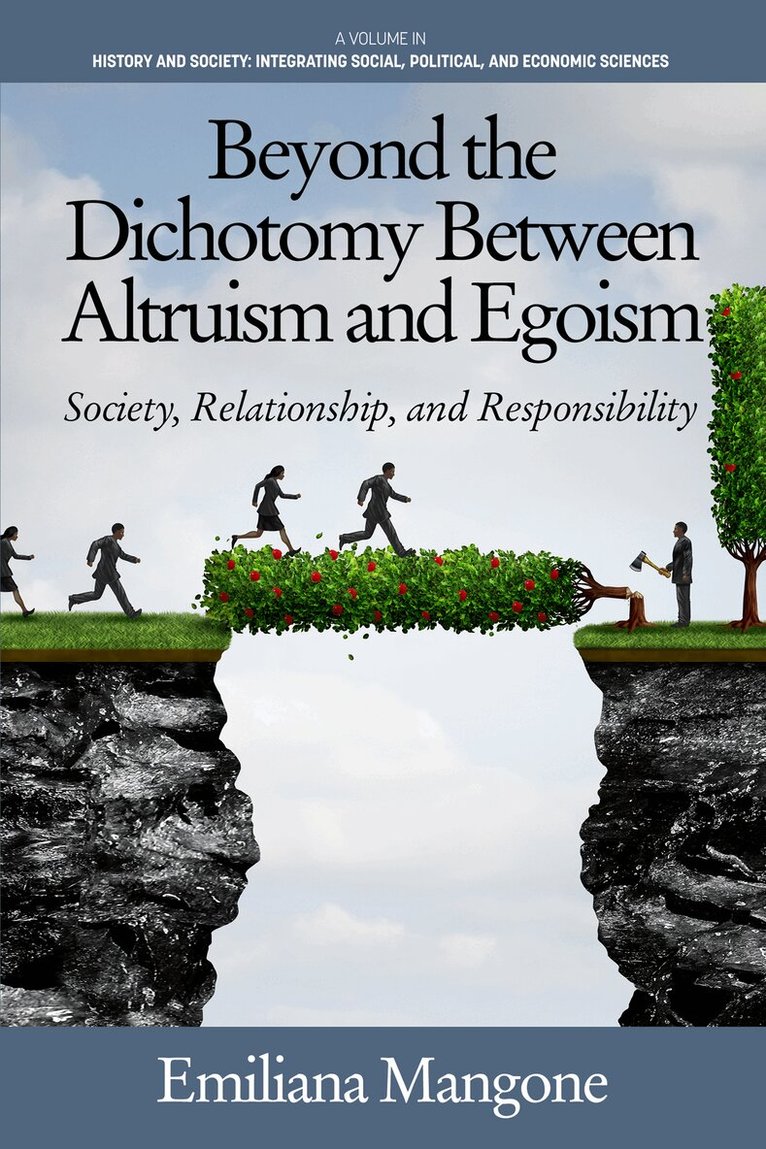
The birth of the social sciences and specifically of sociology begets some open questions, among which the debate on altruism and the concept of social solidarity. The term altruism was firstly used by Auguste Comte. It is one of the few terms born within the scientific field that will enter the common language roughly maintaining the same meaning. For the positivist Comte, altruism represented the powerful impulse to the intellectual and moral development of humanity to which we must strive as a future state. The term commonly means all those actions whose benefits fall on others and not on the agent (actor). In short, for Comte, altruism means "to live for others" (vivre pour autrui).The centrality of altruism as part of the reflections of social sciences can be found in many classic authors. Durkheim, for example, explains the foundations of social solidarity in modern society precisely through the opposition between altruism and egoism and defines its implications in the book Le Suicide in 1897, also identifying what will later become the main typology of suicide by contrasting altruistic suicide with egoistic suicide. Likewise, both Weber and Marx, while not using the term altruism as such, refer to it indirectly. The former, when describing the ethics of love for the charismatic authority as opposed to legal and rational authority, the latter, when corroborating his polemics against Christian charity.The interest in altruism as an object of study of social sciences, however, is progressively waning - especially in Europe. From the second half of the last century, theoretical and empirical studies show the indifference of social scientists towards this object, except for the Russian-American sociologist Sorokin, who in 1949 founded the Harvard Research Center in Creative Altruism. In recent years, however, the topic seems to take renewed vigor, especially in the United States with the birth in 2012 of the section "Altruism, Morality & Social Solidarity" within the American Sociological Association. It considered these three aspects as a single field of disciplinary specialization, since they are significantly dependent on socio-cultural reality. This is the situation in the United States. In Europe, there is a renewed interest in studies on altruism, especially in French-language sociology, above all starting from the numerous contributions to reading and re-reading work on Marcel Mauss's on gift of 1925, and in following the anti-utilitarian movement and studies of the school of social representations of Moscovici, which leads to the definition of the elementary forms of altruism.The book aims to analyze the concept of altruism starting from classical philosophy up to the systems of ideas of contemporaneity, considering the approaches and authors of reference in an interdisciplinary and transdisciplinary way. The representations of altruism and egoism in contemporary society are constantly changing, following the transformations of society itself. Having abandoned the idea that the factors leading to altruism or egoism lay only in human nature, we find them in people’s conduct, freedom, relationships, their associative forms and society. The attention is thus turned to two elements of the daily life of individuals: culture and social relations. The book tries, therefore, through the meso-theories developed in recent decades, which study the relationships between life-world and social system, to describe the links between altruism, egoism, culture and social relations. We will pay particular attention to the relationality of individuals, in an attempt to overcome the dichotomy altruism/egoism by reading some aspects little considered by previous studies - or contemplated only indirectly or marginally. The ultimate goal is to highlight how positive actions are necessary for the contemporary society and how social sciences must go back and study positive socio-cultural actions and phenomena, not only negative, as a way to promote them for the well-being of the society.
Inbunden, Engelska, 2020
985 kr
Skickas inom 5-8 vardagar
The birth of the social sciences and specifically of sociology begets some open questions, among which the debate on altruism and the concept of social solidarity. The term altruism was firstly used by Auguste Comte. It is one of the few terms born within the scientific field that will enter the common language roughly maintaining the same meaning. For the positivist Comte, altruism represented the powerful impulse to the intellectual and moral development of humanity to which we must strive as a future state. The term commonly means all those actions whose benefits fall on others and not on the agent (actor). In short, for Comte, altruism means "to live for others" (vivre pour autrui).The centrality of altruism as part of the reflections of social sciences can be found in many classic authors. Durkheim, for example, explains the foundations of social solidarity in modern society precisely through the opposition between altruism and egoism and defines its implications in the book Le Suicide in 1897, also identifying what will later become the main typology of suicide by contrasting altruistic suicide with egoistic suicide. Likewise, both Weber and Marx, while not using the term altruism as such, refer to it indirectly. The former, when describing the ethics of love for the charismatic authority as opposed to legal and rational authority, the latter, when corroborating his polemics against Christian charity.The interest in altruism as an object of study of social sciences, however, is progressively waning - especially in Europe. From the second half of the last century, theoretical and empirical studies show the indifference of social scientists towards this object, except for the Russian-American sociologist Sorokin, who in 1949 founded the Harvard Research Center in Creative Altruism. In recent years, however, the topic seems to take renewed vigor, especially in the United States with the birth in 2012 of the section "Altruism, Morality & Social Solidarity" within the American Sociological Association. It considered these three aspects as a single field of disciplinary specialization, since they are significantly dependent on socio-cultural reality. This is the situation in the United States. In Europe, there is a renewed interest in studies on altruism, especially in French-language sociology, above all starting from the numerous contributions to reading and re-reading work on Marcel Mauss's on gift of 1925, and in following the anti-utilitarian movement and studies of the school of social representations of Moscovici, which leads to the definition of the elementary forms of altruism.The book aims to analyze the concept of altruism starting from classical philosophy up to the systems of ideas of contemporaneity, considering the approaches and authors of reference in an interdisciplinary and transdisciplinary way. The representations of altruism and egoism in contemporary society are constantly changing, following the transformations of society itself. Having abandoned the idea that the factors leading to altruism or egoism lay only in human nature, we find them in people’s conduct, freedom, relationships, their associative forms and society. The attention is thus turned to two elements of the daily life of individuals: culture and social relations. The book tries, therefore, through the meso-theories developed in recent decades, which study the relationships between life-world and social system, to describe the links between altruism, egoism, culture and social relations. We will pay particular attention to the relationality of individuals, in an attempt to overcome the dichotomy altruism/egoism by reading some aspects little considered by previous studies - or contemplated only indirectly or marginally. The ultimate goal is to highlight how positive actions are necessary for the contemporary society and how social sciences must go back and study positive socio-cultural actions and phenomena, not only negative, as a way to promote them for the well-being of the society.
Inbunden, Engelska, 2023
1 046 kr
Skickas inom 5-8 vardagar
Häftad, Engelska, 2024
680 kr
Skickas inom 5-8 vardagar
Inbunden, Engelska, 2025
1 014 kr
Skickas inom 5-8 vardagar
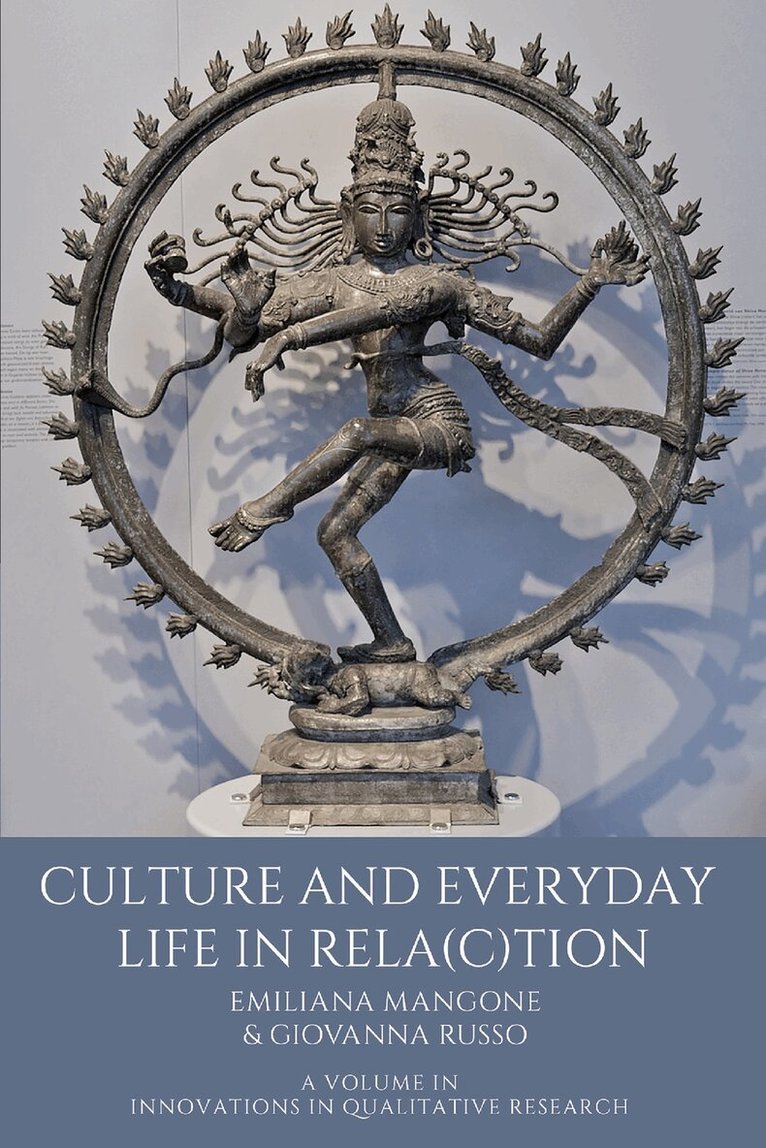
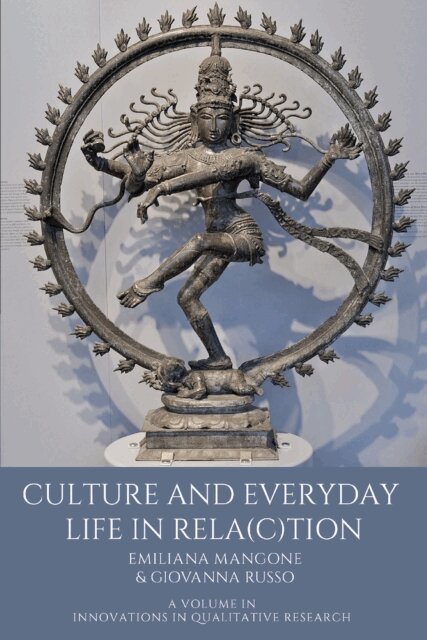
In a society that is still experiencing the crisis generated by the pandemic due to the spread of the SARS-CoV-2 virus, aggravated also by the conflict in Ukraine, it is necessary to rethink the concept of culture, which must be declined in its factual reality of everyday life, since the cultural system and its elements not only produce relationships (meaningful interactions) but also individual and collective social action, hence the use of the term rela(c)tion in the title.The text proposes to discuss the theme of culture and cultural processes with an innovative slant that takes into account the changes that have occurred in recent years. One thinks, for example, of the great interest in processes that lead to social justice, particularly in the Global South, and the sustainability strongly brought about by Generation Z. The authors, without omitting theoretical insights necessary for understanding the transformation of this concept, will proceed to outline the areas, dimensions and cultural processes that influence the dynamics of everyday life and that in turn influence culture itself.The idea behind this book was to construct a reflection on culture that goes beyond the individual definitions of this concept and allows for the exploration of the processes that take place in contemporary society on different levels (individual, social, and cultural) in the unfolding of individuals' everyday lives. To sum up, the objective pursued is to provide a picture of the dynamics, but at the same time of the future challenges to be faced by the different cultural systems due to the continuous changes in society, without neglecting to highlight what may be the orientations and/or innovative models (sustainability, social justice, democratic culture, etc.) that should be pursued for the construction of a cultural system that favours the peaceful and cohesive existence of differences.
Häftad, Engelska, 2025
544 kr
Skickas inom 5-8 vardagar
In a society that is still experiencing the crisis generated by the pandemic due to the spread of the SARS-CoV-2 virus, aggravated also by the conflict in Ukraine, it is necessary to rethink the concept of culture, which must be declined in its factual reality of everyday life, since the cultural system and its elements not only produce relationships (meaningful interactions) but also individual and collective social action, hence the use of the term rela(c)tion in the title.The text proposes to discuss the theme of culture and cultural processes with an innovative slant that takes into account the changes that have occurred in recent years. One thinks, for example, of the great interest in processes that lead to social justice, particularly in the Global South, and the sustainability strongly brought about by Generation Z. The authors, without omitting theoretical insights necessary for understanding the transformation of this concept, will proceed to outline the areas, dimensions and cultural processes that influence the dynamics of everyday life and that in turn influence culture itself.The idea behind this book was to construct a reflection on culture that goes beyond the individual definitions of this concept and allows for the exploration of the processes that take place in contemporary society on different levels (individual, social, and cultural) in the unfolding of individuals' everyday lives. To sum up, the objective pursued is to provide a picture of the dynamics, but at the same time of the future challenges to be faced by the different cultural systems due to the continuous changes in society, without neglecting to highlight what may be the orientations and/or innovative models (sustainability, social justice, democratic culture, etc.) that should be pursued for the construction of a cultural system that favours the peaceful and cohesive existence of differences.
Inbunden, Engelska, 2022
1 260 kr
Skickas inom 10-15 vardagar
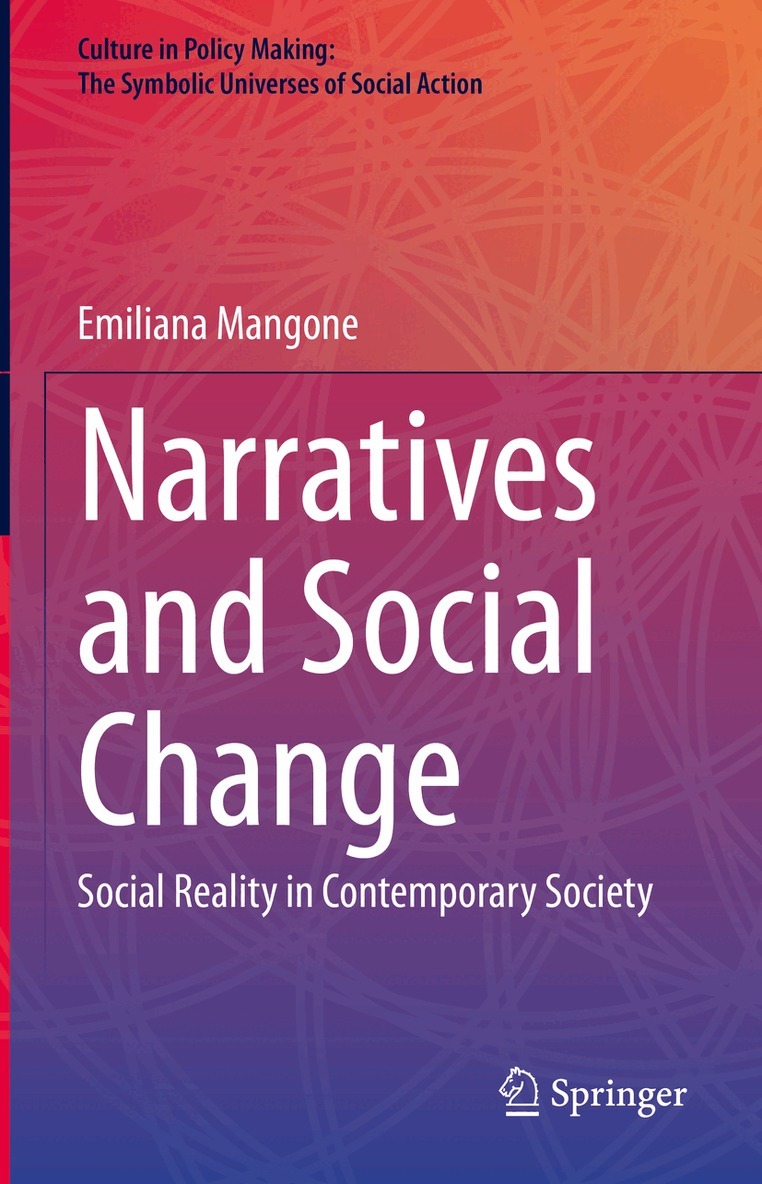
This book is an important contribution to narrative research and highlights how narratives can produce social change. The book reconstructs the relationships between future, uncertainty and risk through everyday how narratives exert power over individual and social life by influencing individual or collective decisions and choices.
Häftad, Engelska, 2023
1 260 kr
Skickas inom 10-15 vardagar
This book is an important contribution to narrative research and highlights how narratives can produce social change. The book reconstructs the relationships between future, uncertainty and risk through everyday how narratives exert power over individual and social life by influencing individual or collective decisions and choices.
Inbunden, Engelska, 2023
1 446 kr
Skickas inom 10-15 vardagar
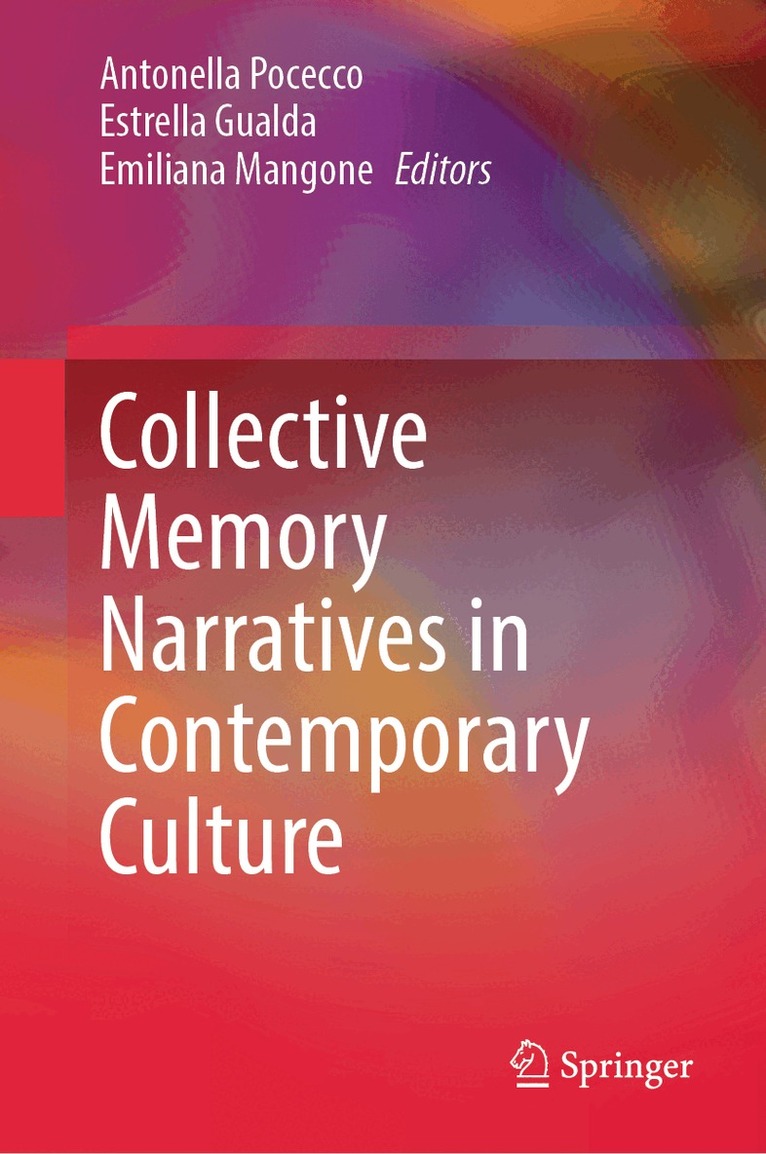
Starting from the central importance of memory in contemporary societies, this book encourages a transdisciplinary reflection on how the “presentification of the past” is never a simple reenactment but corresponds to the interaction between memory and cultural sensitiveness, present beliefs and needs, expectations, and forecasts for the future. It studies cultural (re)construction through collective stories, including academic debates, media narratives, collective mobilizations, state narratives of history, architectural reconstructions, and artistic expressions. It looks at how technological innovations have profoundly changed the practices of conservation and dissemination of collective memory, with particular reference to cultural digitization. Finally, it shows that the relevance and selection of events, the organization of connections and cross-references between past, present, and future, as well as the importance of diversified collective imaginaries are the keys to narrative constructions of memory that prove to be sensitive and decisive for its continuity and its intergenerational transmission. This interdisciplinary collection is for students and scholars of the social sciences, cultural studies, and the humanities interested in memory studies.
Häftad, Engelska, 2024
1 446 kr
Skickas inom 10-15 vardagar
Starting from the central importance of memory in contemporary societies, this book encourages a transdisciplinary reflection on how the “presentification of the past” is never a simple reenactment but corresponds to the interaction between memory and cultural sensitiveness, present beliefs and needs, expectations, and forecasts for the future.
Häftad, Engelska, 2017
529 kr
Skickas inom 10-15 vardagar
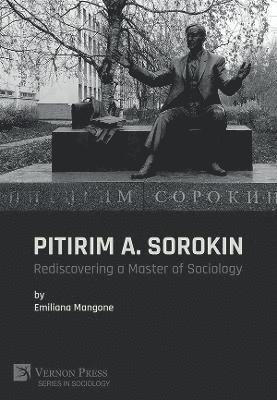
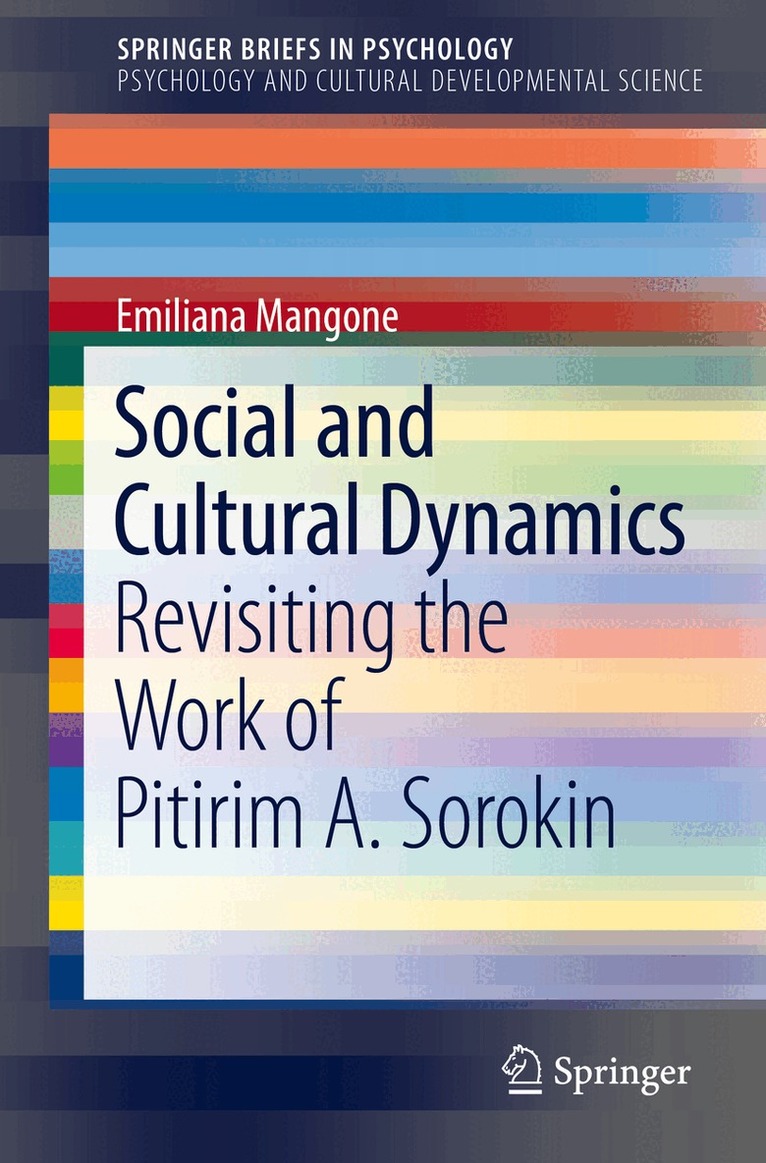
The end point is a new vision of humanity and its development from a cultural context. Social and Cultural Dynamics will be of interest to social scientists, sociologists, and psychologists as well as professionals in these disciplines.