Emilio Gentile – författare
Visar alla böcker från författaren Emilio Gentile. Handla med fri frakt och snabb leverans.
13 produkter
Struggle for Modernity
Nationalism, Futurism, and Fascism
Inbunden, 2003
1211 kr
Lägg i varukorg
During the 20th century, Italy experienced some regrettable political developments. It was the first European nation after World War I in which a mass militia-party of revolutionary nationalism achieved power and abolished parliamentary democracy with the goal of building a totalitarian state. It …
La Grande Italia
The Myth of the Nation in the Twentieth Century
Häftad, 2008
343 kr
Lägg i varukorg
La Grande Italia traces the history of the myth of the nation in Italy along the curve of its rise and fall throughout the twentieth century. Starting with the festivities for the fiftieth anniversary of the unification of Italy in 1911 and ending with the centennial celebrations of 1961, Emilio …
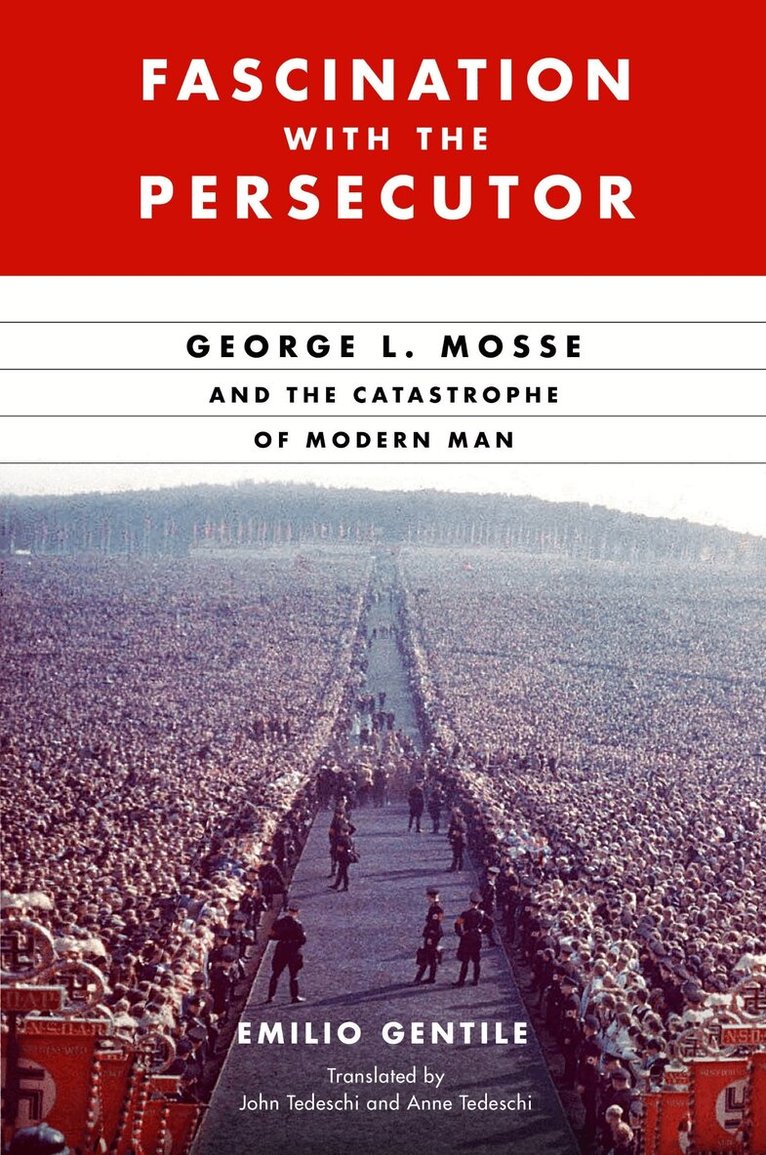
Fascination with the Persecutor
George L. Mosse and the Catastrophe of Modern Man
Inbunden, 2021
941 kr
Lägg i varukorg
In 1933, George L. Mosse fled Berlin and settled in the United States, where he went on to become a renowned historian at the University of Wisconsin–Madison. Through rigorous and innovative scholarship, Mosse uncovered the forces that spurred antisemitism, racism, nationalism, and populism. His …
Struggle for Modernity
Nationalism, Futurism, and Fascism
E-bok, 2003
1325 kr
Lägg i varukorg
During the 20th century, Italy experienced some regrettable political developments. It was the first European nation after World War I in which a mass militia-party of revolutionary nationalism achieved power and abolished parliamentary democracy with the goal of building a totalitarian state. It …
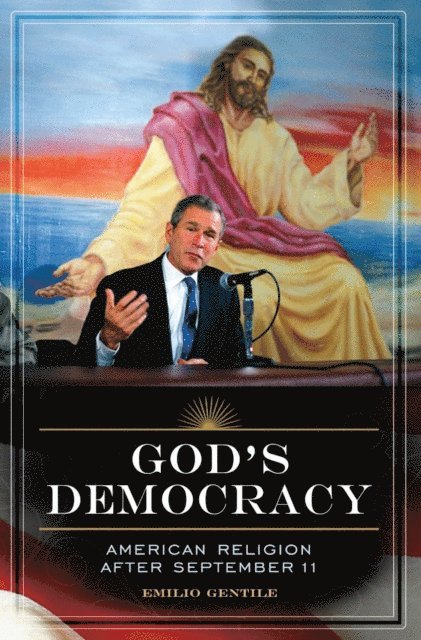
God's Democracy
American Religion after September 11
Inbunden, 2008
715 kr
Lägg i varukorg
In God's Democracy, Emilio Gentile argues that the presidency of George W. Bush sought to alter the way religion functions in American political life. Prior to the events of 9/11, the national government operated under a civil religious regime that placed a sacred umbrella over the entire country …
God's Democracy
American Religion After September 11
E-bok, 2008
757 kr
Lägg i varukorg
In God's Democracy , Emilio Gentile argues that the presidency of George W. Bush sought to alter the way religion functions in American political life. Prior to the events of 9/11, the national government operated under a civil religious regime that placed a sacred umbrella over the entire country …
Politics as Religion
Inbunden, 2006
737 kr
Lägg i varukorg
Emilio Gentile, an internationally renowned authority on fascism and totalitarianism, argues that politics over the past two centuries has often taken on the features of religion, claiming as its own the prerogative of defining the fundamental purpose and meaning of human life. Secular political …
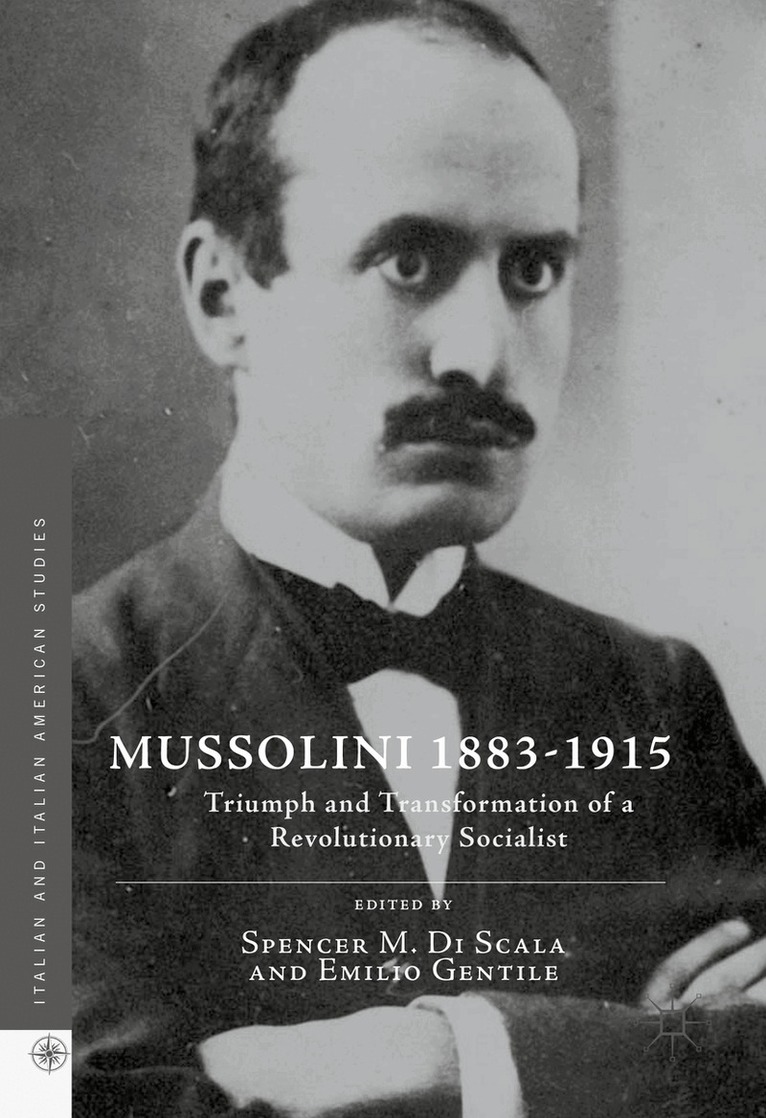
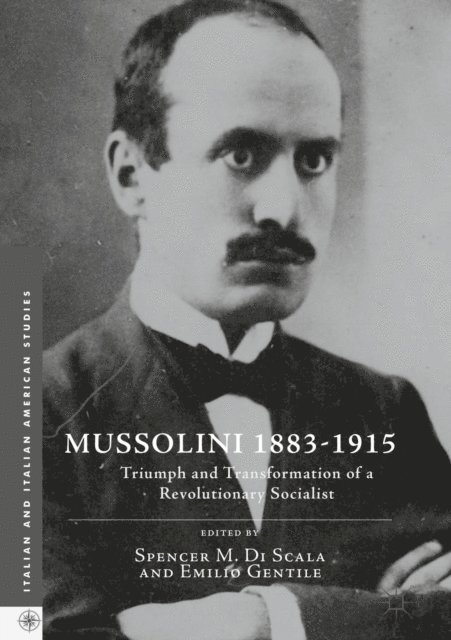
Mussolini 1883-1915
Triumph and Transformation of a Revolutionary Socialist
Av Spencer M. Di Scala, Emilio Gentile
Inbunden, 2016
1580 kr
Lägg i varukorg
This book describes Mussolini’s little-known radical ideology, including his activities in Switzerland, relationship with revolutionary syndicalism, and radical journalism. It provides an in-depth treatment of the young Benito Mussolini as a revolutionary Socialist and describes the political …
Mussolini 1883-1915
Triumph and Transformation of a Revolutionary Socialist
Av Emilio Gentile, Spencer M. Di Scala
E-bok, 2016
2131 kr
Lägg i varukorg
This book describes Mussolini’s little-known radical ideology, including his activities in Switzerland, relationship with revolutionary syndicalism, and radical journalism. It provides an in-depth treatment of the young Benito Mussolini as a revolutionary Socialist and describes the political …
Politics as Religion
E-bok, 2020
999 kr
Lägg i varukorg
Emilio Gentile, an internationally renowned authority on fascism and totalitarianism, argues that politics over the past two centuries has often taken on the features of religion, claiming as its own the prerogative of defining the fundamental purpose and meaning of human life. Secular political …
La mentira del pueblo soberano en la democracia
E-bok, 2018
70 kr
Lägg i varukorg
La sociedad occidental moderna ha hecho de la "democracia" basada en la "soberanía del pueblo" la clave de bóveda de su sistema político. Fueron los Estados Unidos nacidos de la Guerra de Secesión quienes dieron la pauta para esta forma de gobierno «del pueblo, por el pueblo y para el pueblo» cuyo …
Mussolini contra Lenin
E-bok, 2019
158 kr
Lägg i varukorg
Lenin y Mussolini vivieron en Ginebra entre 1902 y 1904, y quizá se encontraron en la Brasserie Handwerk, celebrando el aniversario de la Comuna de París. Un periodo en el que ambos militaban en el socialismo revolucionario, eran hostiles al revisionismo reformista y manifestaban concepciones …
Quién es fascista
E-bok, 2019
33 kr
Lägg i varukorg
¿Vuelve el fascismo? ¿Son fascistas Trump, Erdogan, Orbán, Bolsonaro, Salvini...? Cien años después de la fundación del fascismo en Italia y siete décadas después de la caída de Hitler y de Mussolini, las redes sociales y los medios de comunicación tradicionales alertan sobre el ascenso de un nuevo …