
Emilio Grandio Seoane – författare
Visar alla böcker från författaren . Handla med fri frakt och snabb leverans.
3 produkter
3 produkter
Inbunden, Engelska, 2017
696 kr
Skickas inom 5-8 vardagar
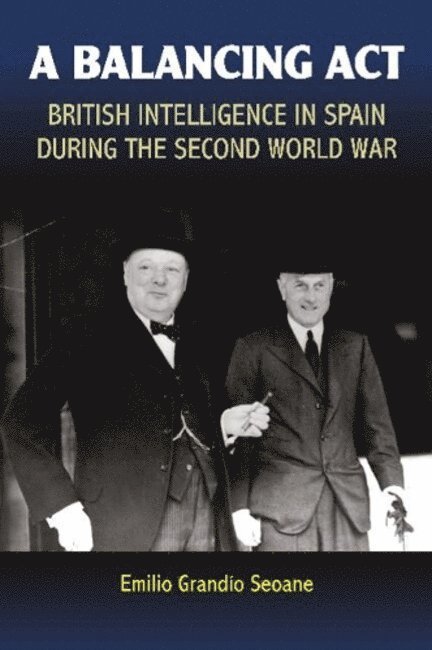
This book reveals the development, strategy and extraordinary success of Britains secret services in Francos Spain during the Second World War. The main claim of this study is that British pressure, exercised above all through their intelligence services, led Franco to distance himself from the Axis cause and eventually embrace that of the Allies. Starting from a virtually non-existent base, the British rapidly built up a complex intelligence network in Spain that stretched from Corunna to Barcelona and from Bilbao to Gibraltar. As Spain was a non-belligerent, spy networks including those of the Germans, Italians, Portuguese and British proliferated in the Iberian Peninsula. Double-agents abounded within these networks; each one knew what the others were up to. The British exploited this two-way traffic to let Franco know that if he did not accede to their demands, they would back a restoration of the Bourbon monarchy under Don Juan. This pressure culminated in the meeting of 1943 between Franco and the British Ambassador, Sir Samuel Hoare, at the dictators country retreat in Galicia, the British underlining their purpose by flying warplanes close by the estate. Following this meeting, Franco almost immediately began to move away from the Axis powers and towards the Allies. The British swiftly dismantled their intelligence networks given that they had achieved their aim. Francos expulsion of the German naval forces from Spanish ports and the denazification of the regime explains the benevolent attitude of the Allies towards the Spanish dictatorship after the war. Throughout this whole process, the British secret service, as this extensively researched study uncovers, played a crucial role.
Häftad, Engelska, 2018
579 kr
Skickas inom 5-8 vardagar
This book reveals the development, strategy and extraordinary success of Britains secret services in Francos Spain during the Second World War. The main claim of this study is that British pressure, exercised above all through their intelligence services, led Franco to distance himself from the Axis cause and eventually embrace that of the Allies. Starting from a virtually non-existent base, the British rapidly built up a complex intelligence network in Spain that stretched from Corunna to Barcelona and from Bilbao to Gibraltar. As Spain was a non-belligerent, spy networks including those of the Germans, Italians, Portuguese and British proliferated in the Iberian Peninsula. Double-agents abounded within these networks; each one knew what the others were up to. The British exploited this two-way traffic to let Franco know that if he did not accede to their demands, they would back a restoration of the Bourbon monarchy under Don Juan. This pressure culminated in the meeting of 1943 between Franco and the British Ambassador, Sir Samuel Hoare, at the dictators country retreat in Galicia, the British underlining their purpose by flying warplanes close by the estate. Following this meeting, Franco almost immediately began to move away from the Axis powers and towards the Allies. The British swiftly dismantled their intelligence networks given that they had achieved their aim. Francos expulsion of the German naval forces from Spanish ports and the denazification of the regime explains the benevolent attitude of the Allies towards the Spanish dictatorship after the war. Throughout this whole process, the British secret service, as this extensively researched study uncovers, played a crucial role.
140 kr
Läs direkt efter köp
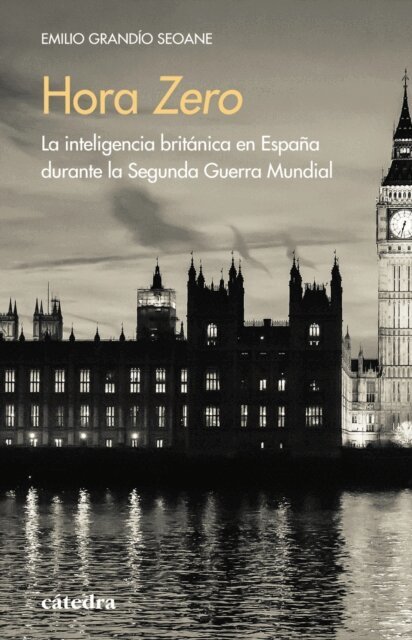
Verano de 1943. Flotaba en el ambiente una posible invasion inglesa de la peninsula para echar del poder al general Franco. Aviones britanicos sobrevuelan territorio espanol y bombardean submarinos alemanes. El embajador britanico Samuel Hoare solicita una reunion urgente con Francisco Franco en su retiro veraniego del Pazo de Meiras. Los dias siguientes se difunde por las capitales peninsulares el rumor de que a principios de octubre tendria lugar un desembarco britanico por el Tajo y que al dia siguiente Portugal declararia la guerra a Japon. Samuel Hoare no regresa a Madrid hasta el 10 de octubre. En las conversaciones de estos dias entre Churchill, Eden y Hoare el 8 de octubre fue senalado como la Hora Zero . Esta obra aborda el proceso de construccion, desarrollo y adaptacion del espionaje britanico en Espana en los anos de la Segunda Guerra Mundial. Basada en una investigacion realizada sobre fuentes britanicas y espanolas, aporta una interpretacion de conjunto sobre los servicios de inteligencia en Espana en esos anos de incertidumbre.