Emily S. Lee – författare
Visar alla böcker från författaren Emily S. Lee. Handla med fri frakt och snabb leverans.
6 produkter
6 produkter
1 057 kr
Tillfälligt slut
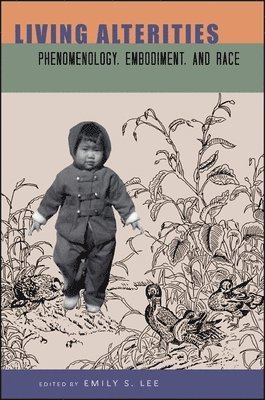
Philosophers consider race and racism from the perspective of lived, bodily experience.Broadening the philosophical conversation about race and racism, Living Alterities considers how people's racial embodiment affects their day-to-day lived experiences, the lived experiences of individuals marked by race interacting with and responding to others marked by race, and the tensions that arise between different spheres of a single person's identity. Drawing on phenomenology and the work of thinkers such as Frantz Fanon, Maurice Merleau-Ponty, and Iris Marion Young, the essays address the embodiment experiences of African Americans, Muslims, Asian Americans, Latinas, Jews, and white Americans. The volume's focus on specific situations, temporalities, and encounters provides important context for understanding how race operates in people's lives in ordinary settings like classrooms, dorm rooms, borderlands, elevators, and families.
464 kr
Skickas inom 5-8 vardagar
Philosophers consider race and racism from the perspective of lived, bodily experience.Broadening the philosophical conversation about race and racism, Living Alterities considers how people's racial embodiment affects their day-to-day lived experiences, the lived experiences of individuals marked by race interacting with and responding to others marked by race, and the tensions that arise between different spheres of a single person's identity. Drawing on phenomenology and the work of thinkers such as Frantz Fanon, Maurice Merleau-Ponty, and Iris Marion Young, the essays address the embodiment experiences of African Americans, Muslims, Asian Americans, Latinas, Jews, and white Americans. The volume's focus on specific situations, temporalities, and encounters provides important context for understanding how race operates in people's lives in ordinary settings like classrooms, dorm rooms, borderlands, elevators, and families.
1 142 kr
Skickas inom 10-15 vardagar
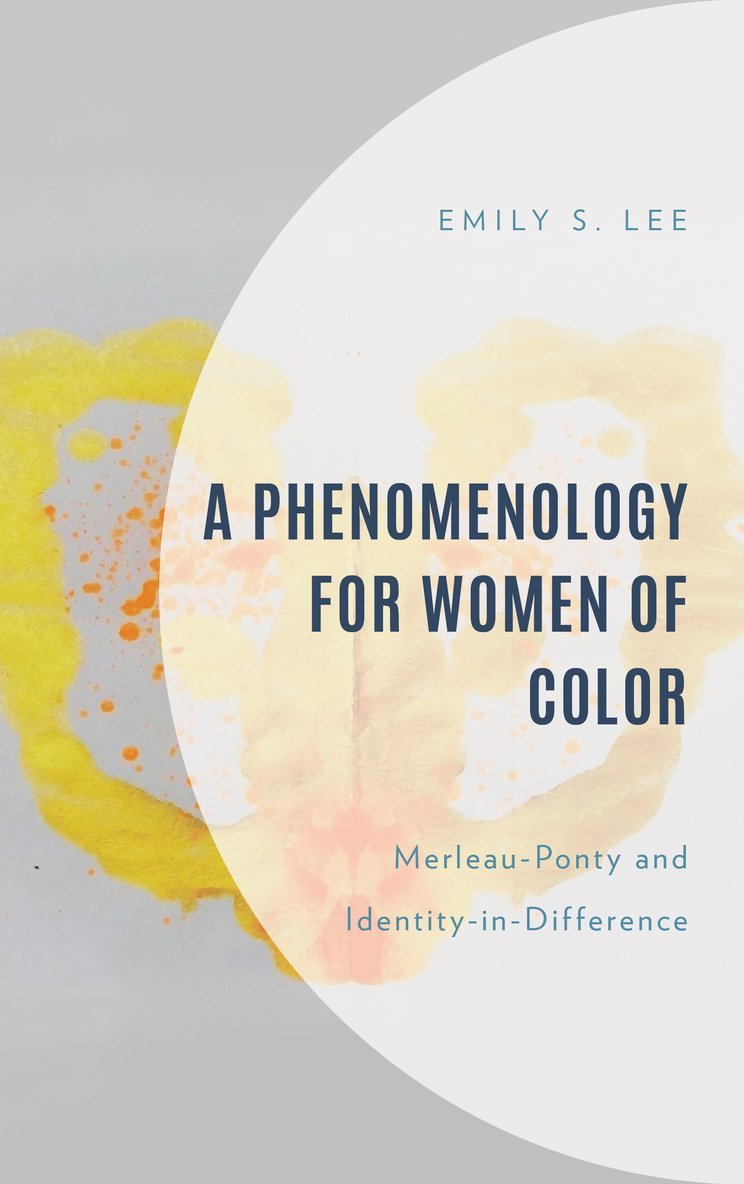
A Phenomenology for Women of Color: Merleau-Ponty and Identity-in-Difference explores how phenomenology can help philosophy of race explain the persistence of race as a key indicator of social standing. Engaging with the work of women of color to think more deeply about our racial and gendered structural relations with one another, Emily S. Lee argues that phenomenology is helpful in two ways: (1) race, as a social construct, is phenomenal and (2) Merleau-Ponty’s phenomenology centers on embodiment and therefore applies to both feminist and racial concerns. Lee defines the phenomenon of race as a structure that is open-ended, is developed creatively, and mediates one’s situatedness in the world and relations with others. Drawing on ideas from Husserl, Heidegger, Sartre, and Merleau-Ponty, this book depicts the dynamic and creative expressions of race and racism to address the ambiguities within the experiences of race and sex and, ultimately, to conceptualize the identity group “women of color.”
484 kr
Kommande
A Phenomenology for Women of Color: Merleau-Ponty and Identity-in-Difference explores how phenomenology can help philosophy of race explain the persistence of race as a key indicator of social standing. Engaging with the work of women of color to think more deeply about our racial and gendered structural relations with one another, Emily S. Lee argues that phenomenology is helpful in two ways: (1) race, as a social construct, is phenomenal and (2) Merleau-Ponty’s phenomenology centers on embodiment and therefore applies to both feminist and racial concerns. Lee defines the phenomenon of race as a structure that is open-ended, is developed creatively, and mediates one’s situatedness in the world and relations with others. Drawing on ideas from Husserl, Heidegger, Sartre, and Merleau-Ponty, this book depicts the dynamic and creative expressions of race and racism to address the ambiguities within the experiences of race and sex and, ultimately, to conceptualize the identity group “women of color.”
1 572 kr
Skickas inom 10-15 vardagar
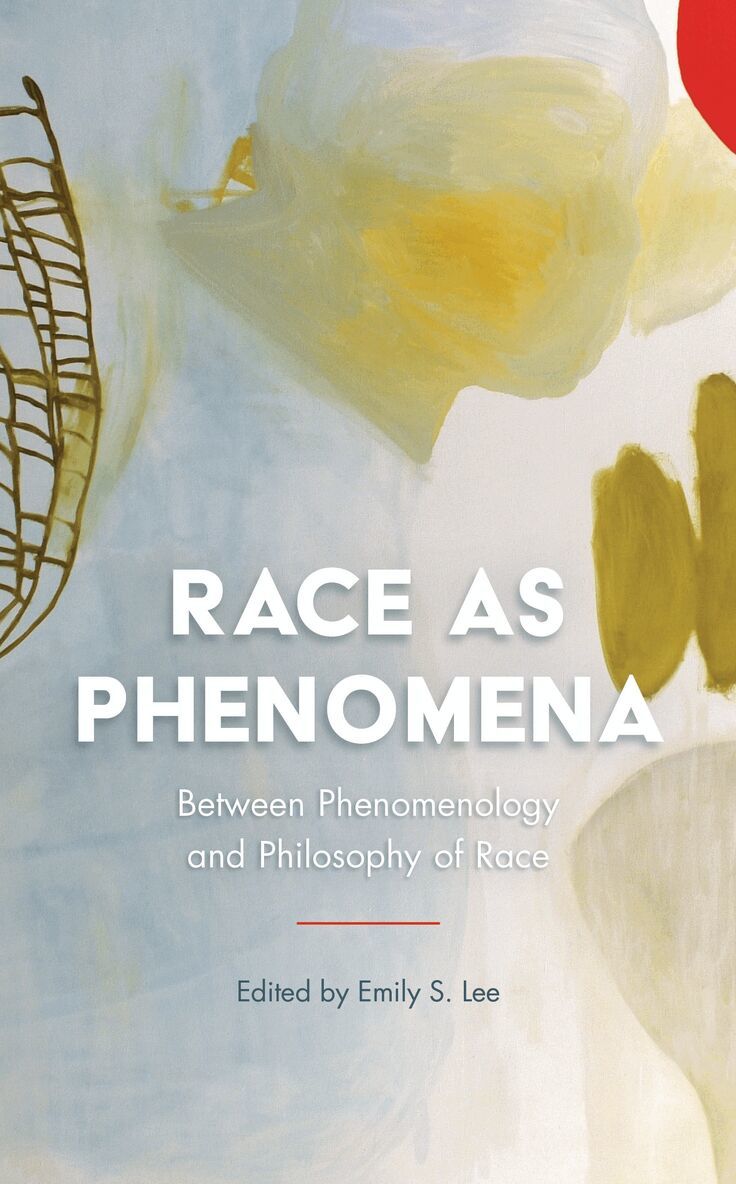
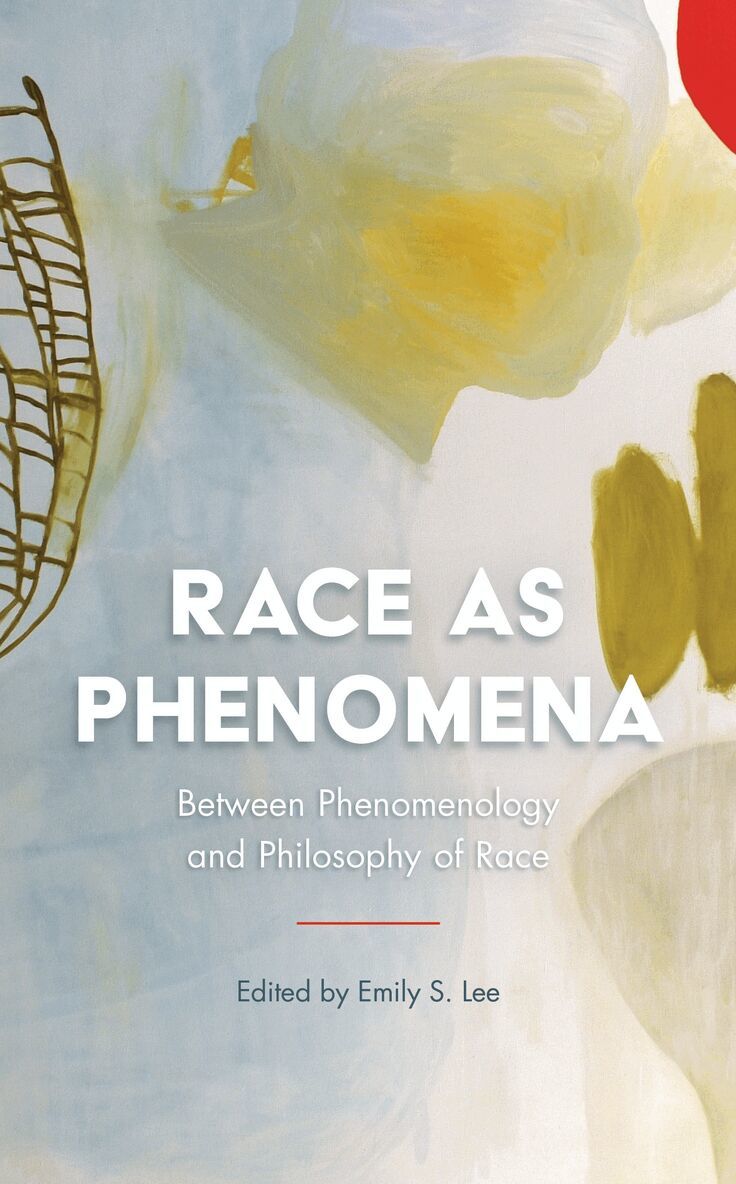
This book introduces and explores the relation between race and phenomenology through varied African American, Latina, Asian American, and White American perspectives. Phenomenology is best known as a descriptive endeavor to more accurately describe our experience of the world. These essays examine the ways in which this relation between phenomenology and race acts as a site of racial meaning. Philosophy of race conceives race as a social construction. Because of the sedimentation of racial meaning into the very structure and practices of society, the socially constructed meanings about features of the body are mistaken as natural. Hence although racial meaning is theoretically recognized as socially constructed, during an every-day interaction, racial meaning is mistaken as inevitable and natural. Ideal for advanced students in phenomenology and philosophy of race, this volume pushes the phenomenological method forward by exploring its relation to questions within philosophy of race.
541 kr
Skickas inom 10-15 vardagar
This book introduces and explores the relation between race and phenomenology through varied African American, Latina, Asian American, and White American perspectives. Phenomenology is best known as a descriptive endeavor to more accurately describe our experience of the world. These essays examine the ways in which this relation between phenomenology and race acts as a site of racial meaning. Philosophy of race conceives race as a social construction. Because of the sedimentation of racial meaning into the very structure and practices of society, the socially constructed meanings about features of the body are mistaken as natural. Hence although racial meaning is theoretically recognized as socially constructed, during an every-day interaction, racial meaning is mistaken as inevitable and natural. Ideal for advanced students in phenomenology and philosophy of race, this volume pushes the phenomenological method forward by exploring its relation to questions within philosophy of race.