Emily Tamkin – författare
169 kr
Läs direkt efter köp
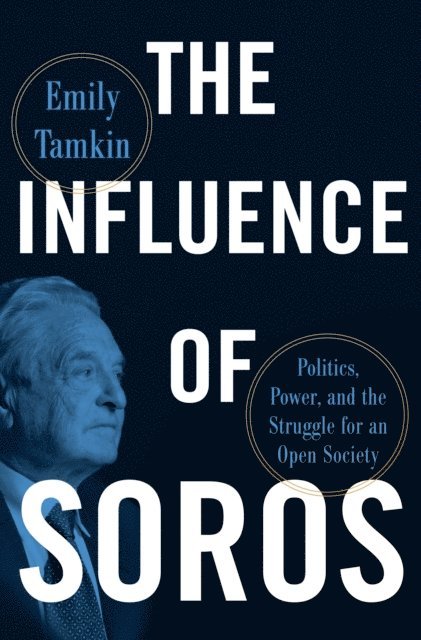
A seasoned journalist probes one of the right-wing’s favorite targets, Hungarian-American investor and philanthropist George Soros, to explore the genesis of his influence and the truth of the conspiracies that surround him.For years, hedge fund tycoon George Soros has been demonized by GOP politicians, fringe outlets, and right-wing media personalities, who claim Soros often manipulates the global economy and masterminds the radical left. He has been accused of using his billions to foment violence, support “white genocide,” and pay migrants to seek asylum in the United States. Right-wing media personalities have described him as working to hijack our democracy and undermine sovereignty. Left-leaning outlets, meanwhile, have suggested that his philanthropy is a distraction from the economic misery he himself has made.
But who is George Soros? How did he make his money? What causes does he actually support? How did this billionaire become the right’s favorite target—used by elected officials sympathetic to the idea that their country’s opposition can be blamed on one man in the endless messaging war? How much of the hatred is driven by rising antisemitism?
Though his name appears often in the media, most people know little about Soros. Weaving biography, cultural commentary, and investigative reporting, Emily Tamkin brings into focus the man and his myth to examine how much influence he actually has on politics. Is Soros simply a left-wing version of the Koch brothers? Or is he genuinely trying to make the world a better place?
The Influence of Soros offers an understanding of the man and his money, his contributions and donations, and his true sway over our politics, elections, and our societies. Ultimately, Tamkin asks, can a truly open society exist if any one man can have the kind of power Soros wields?
162 kr
Läs direkt efter köp
195 kr
Lyssna direkt efter köp
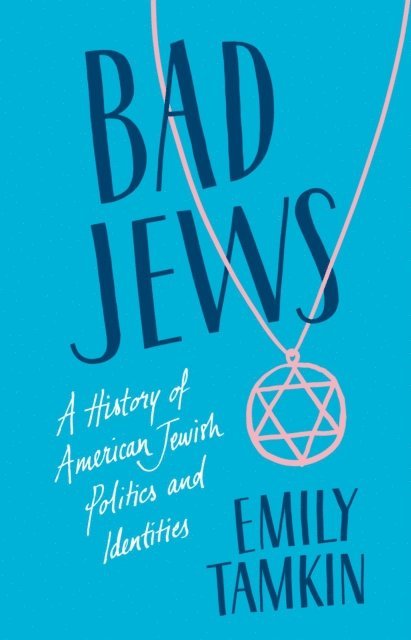
A journalist and author of The Influence of Soros examines the history of Jewish people in America and explores their ever-evolving relationship to the nation’s culture and identity—and each other.
What does it mean to be a Bad Jew?
Many Jews use the term “Bad Jew” as a weapon against other members of the community or even against themselves. You can be called a Bad Jew if you don’t keep kosher; if you only go to temple on Yom Kippur; if you don’t attend or send your children to Hebrew school; if you enjoy Christmas music; if your partner isn’t Jewish; if you don’t call your mother often enough. The list is endless.
In Bad Jews, Emily Tamkin argues that perhaps there is no answer to this timeless question at all. Throughout American history, Jewish identities have evolved and transformed in a variety of ways. The issue of what it means, or doesn’t, to be a Good Jew or a Bad Jew is particularly fraught at this moment, American Jews feel and fear antisemitism is on the rise. There are several million people who identify as American Jews—but that doesn’t mean they all identify with one another. American Jewish history is full of discussions and debates and hand wringing over who is Jewish, how to be Jewish, and what it means to be Jewish.
In Bad Jews, Emily Tamkin examines the last 100 years of American Jewish politics, culture, identities, and arguments. Drawing on over 150 interviews, she tracks the evolution of Jewishness throughout American history, and explores many of the evolving and conflicting Jewish positions on assimilation; race; Zionism and Israel; affluence and poverty, philanthropy, finance, politics; and social justice. From this complex and nuanced history, Tamkin pinpoints perhaps the one truth about American Jewish identity: It is always changing.
Supplemental enhancement PDF accompanies the audiobook.
255 kr
Skickas inom 7-10 vardagar
244 kr
Läs direkt efter köp
You can be called a Bad Jew—by the community or even yourself—if you don’t keep kosher, don’t send your children to Hebrew school, or enjoy Christmas music; if your partner isn’t Jewish, or you don’t call your mother enough. But today, amid fears of rising antisemitism, what makes a Good or Bad Jew is a particularly fraught question.
There is no answer, argues Emily Tamkin. Several million now identify as American Jews; but they don’t all identify with one another. American Jewish history, like all Jewish history, has been about transformation—and full of discussions, debates and hand-wringing over who is Jewish, how to be Jewish, and what it means to be Jewish.
Bad Jews is a rich, absorbing reflection on 100 years of American Jewish identities and arguments. Tamkin’s fascinating, diverse interviews explore the complex story of American Jewishness, and its evolving, conflicting positions, from assimilation, race, and social justice; to politics, Zionism, and Israel. She pinpoints the one truth about Jewish identity: It’s always changing.