Emmanouil Tsatsanis – författare
Visar alla böcker från författaren Emmanouil Tsatsanis. Handla med fri frakt och snabb leverans.
8 produkter
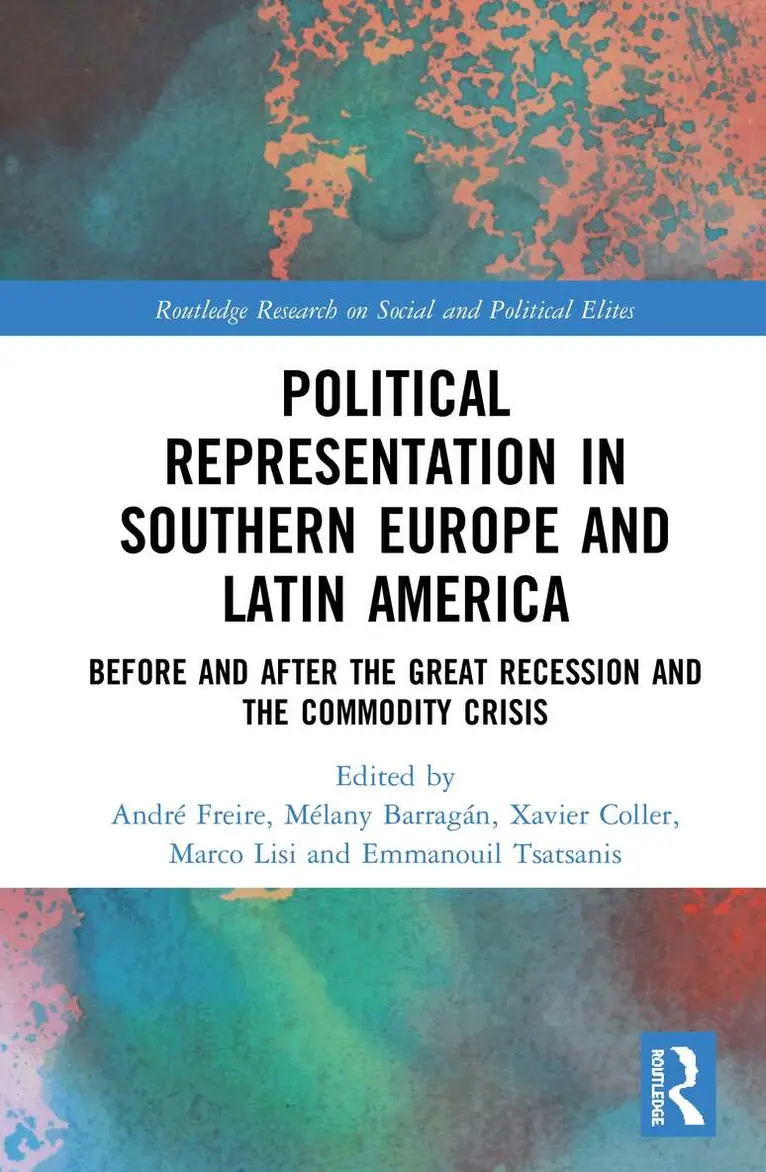
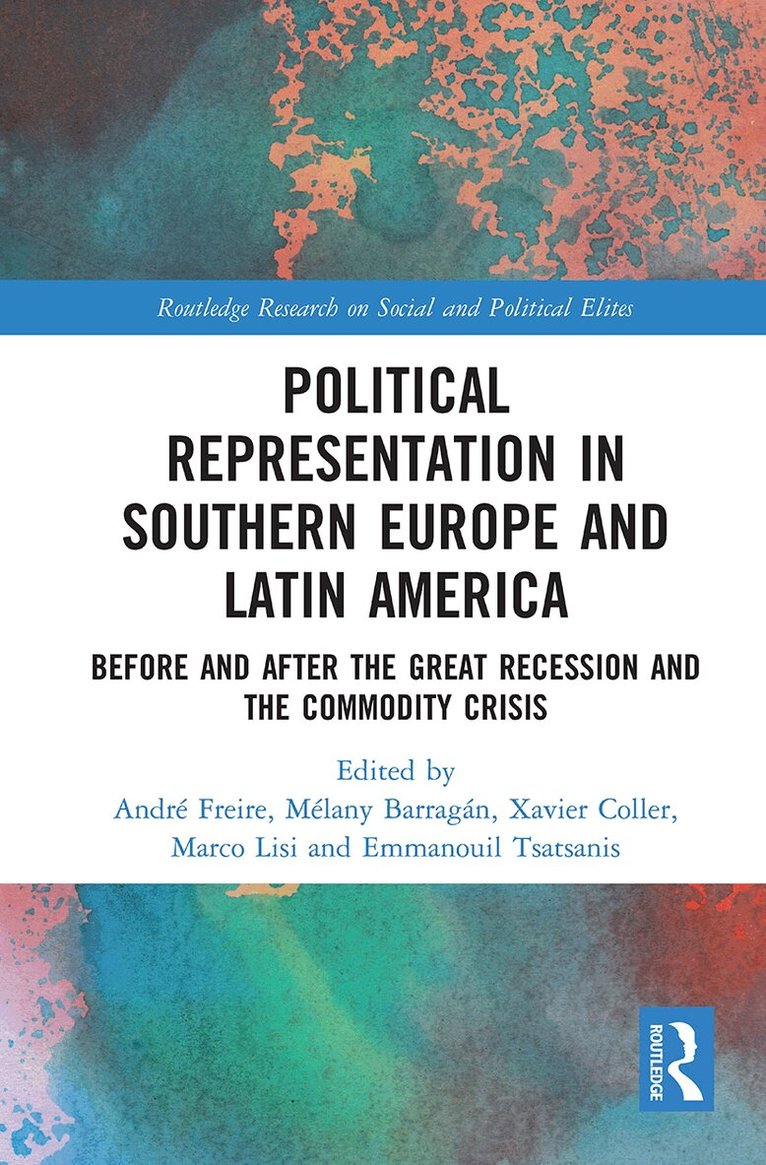
Political Representation in Southern Europe and Latin America
Before and After the Great Recession and the Commodity Crisis
Av André Freire, Mélany Barragán m. fl.
Inbunden, 2020
2128 kr
Lägg i varukorg
This collective volume - with contributions from experts on these regions - examines broader questions about the current crises (The Great Recession and The Commodity Crisis) and the associated changes in political representation in both regions. It provides a general overview of political …
Political Representation in Southern Europe and Latin America
Before and After the Great Recession and the Commodity Crisis
Av Emmanouil Tsatsanis, Marco Lisi m. fl.
E-bok, 2020
814 kr
Lägg i varukorg
This collective volume - with contributions from experts on these regions - examines broader questions about the current crises (The Great Recession and The Commodity Crisis) and the associated changes in political representation in both regions. It provides a general overview of political …
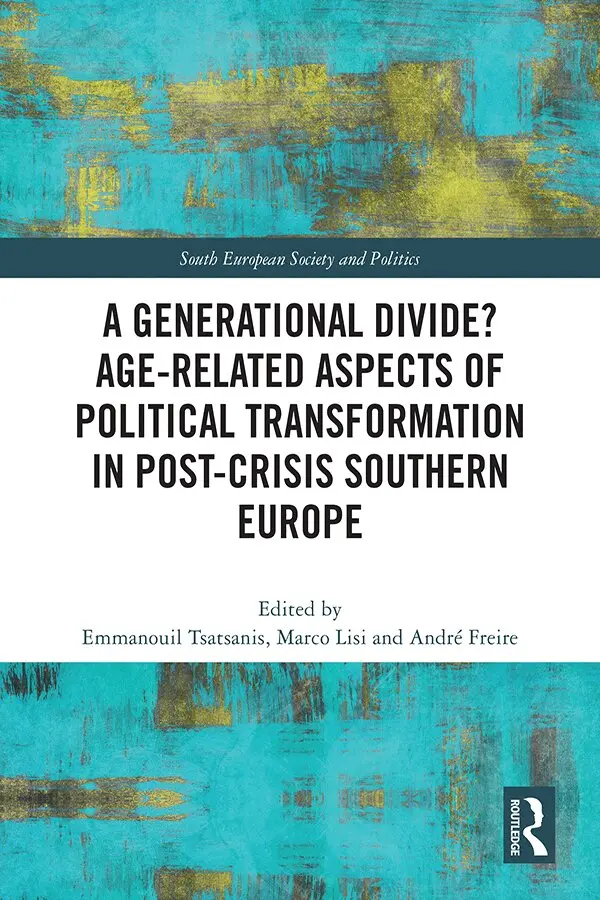
Generational Divide? Age-related Aspects of Political Transformation in Post-crisis Southern Europe
Av Andre Freire, Marco Lisi m. fl.
E-bok, 2022
762 kr
Lägg i varukorg
This book examines the political consequences of the economic crisis in Southern Europe from the perspective of a widening intergenerational divide. It focuses on the cases of Greece, Italy, Portugal and Spain to fill the gap in the literature by examining various age-related rifts in post-crisis …
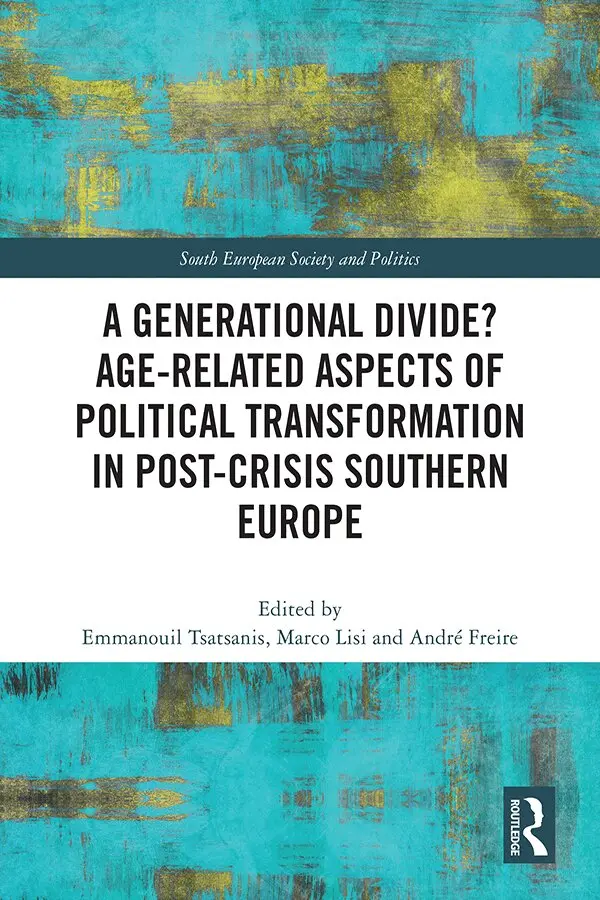
Generational Divide? Age-related Aspects of Political Transformation in Post-crisis Southern Europe
Av Andre Freire, Marco Lisi m. fl.
E-bok, 2022
762 kr
Lägg i varukorg
This book examines the political consequences of the economic crisis in Southern Europe from the perspective of a widening intergenerational divide. It focuses on the cases of Greece, Italy, Portugal and Spain to fill the gap in the literature by examining various age-related rifts in post-crisis …
Political Representation in Southern Europe and Latin America
Before and After the Great Recession and the Commodity Crisis
Av André Freire, Mélany Barragán m. fl.
Häftad, 2022
692 kr
Lägg i varukorg
This collective volume - with contributions from experts on these regions - examines broader questions about the current crises (The Great Recession and The Commodity Crisis) and the associated changes in political representation in both regions. It provides a general overview of political …
Generational Divide? Age-related Aspects of Political Transformation in Post-crisis Southern Europe
Av Emmanouil Tsatsanis, Marco Lisi m. fl.
Inbunden, 2022
2516 kr
Lägg i varukorg
This book examines the political consequences of the economic crisis in Southern Europe from the perspective of a widening intergenerational divide. It focuses on the cases of Greece, Italy, Portugal and Spain to fill the gap in the literature by examining various age-related rifts in post-crisis …
Generational Divide? Age-related Aspects of Political Transformation in Post-crisis Southern Europe
Av Emmanouil Tsatsanis, Marco Lisi m. fl.
Häftad, 2024
649 kr
Lägg i varukorg
This book examines the political consequences of the economic crisis in Southern Europe from the perspective of a widening intergenerational divide. It focuses on the cases of Greece, Italy, Portugal and Spain to fill the gap in the literature by examining various age-related rifts in post-crisis …
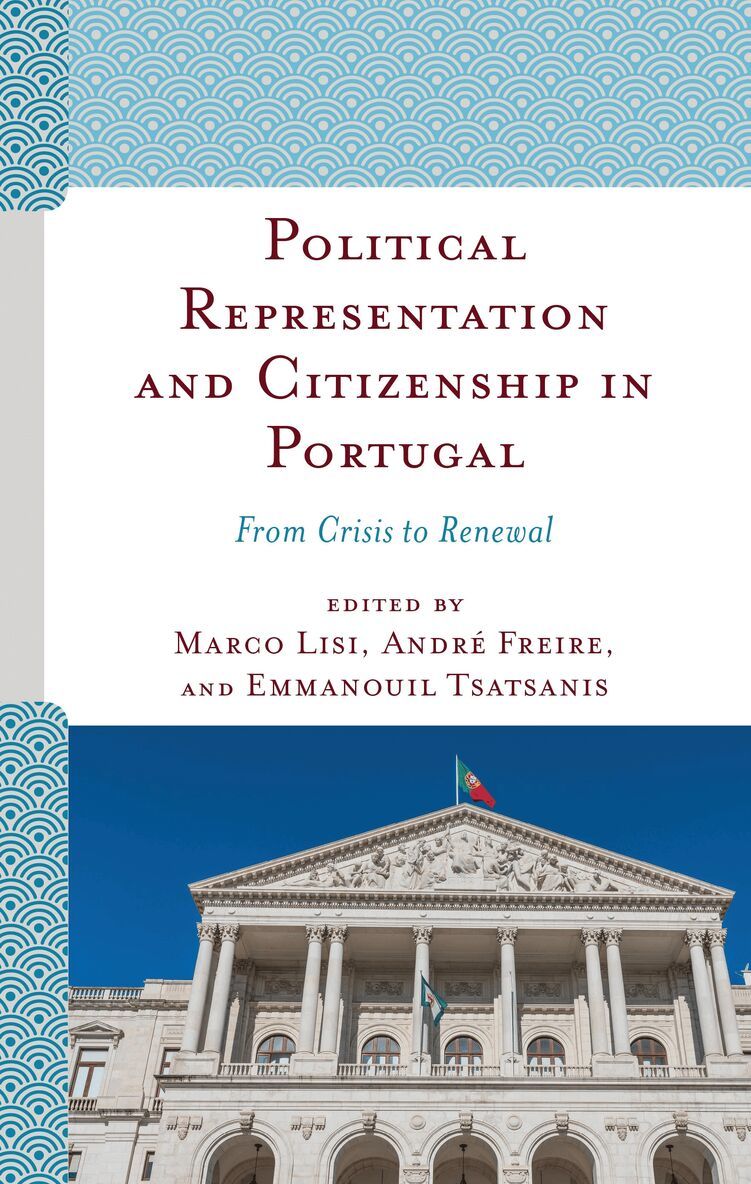
Political Representation and Citizenship in Portugal
From Crisis to Renewal
Av Marco Lisi, André Freire m. fl.
Inbunden, 2020
1210 kr
Lägg i varukorg
Representative democracies are facing huge challenges that stem from long trends of citizens’ dissatisfaction and weakening of political legitimacy, on the one hand, and the effects of global economic and financial crisis on electoral alignments and the patterns of government, on the other. This …