Endre Begby - Böcker
Visar alla böcker från författaren Endre Begby. Handla med fri frakt och snabb leverans.
4 produkter
4 produkter
321 kr
Skickas inom 5-8 vardagar
Prejudiced beliefs may certainly seem like defective beliefs. But in what sense are they defective? Many will be false and harmful, but philosophers have further argued that prejudiced belief is defective also in the sense that it could only arise from distinctive kinds of epistemic irrationality: we could acquire or retain our prejudiced beliefs only by violating our epistemic responsibilities. It is also assumed that we are only morally responsible for the harms that prejudiced beliefs cause because, in forming these beliefs in the first place, we are violating our epistemic responsibilities. In Prejudice, Endre Begby argues that these common convictions are misguided. His discussion shows in detail that there are many epistemically justified pathways to prejudiced belief, and that it is a mistake to lean on the concept of epistemic responsibility to articulate our ethical responsibilities. Doing so unreasonably burdens victims of prejudice with having to show that their victimizers were in a position to know better. Accordingly, Begby provides an account of moral responsibility for harm which does not depend on finding grounds for epistemic blame. This view is supported by a number of examples and case studies at individual, collective, and institutional levels of decision making. Additionally, Begby develops a systematic platform for "non-ideal epistemology" which would apply to a wide range of other social and epistemic phenomena of current concern, such as fake news, conspiracy theories, science scepticism, and more.

542 kr
Skickas inom 5-8 vardagar
Prejudiced beliefs may certainly seem like defective beliefs. But in what sense are they defective? Many will be false and harmful, but philosophers have further argued that prejudiced belief is defective also in the sense that it could only arise from distinctive kinds of epistemic irrationality: we could acquire or retain our prejudiced beliefs only by violating our epistemic responsibilities. It is also assumed that we are only morally responsible for the harms that prejudiced beliefs cause because, in forming these beliefs in the first place, we are violating our epistemic responsibilities. In Prejudice, Endre Begby argues that these common convictions are misguided. His discussion shows in detail that there are many epistemically justified pathways to prejudiced belief, and that it is a mistake to lean on the concept of epistemic responsibility to articulate our ethical responsibilities. Doing so unreasonably burdens victims of prejudice with having to show that their victimizers were in a position to know better. Accordingly, Begby provides an account of moral responsibility for harm which does not depend on finding grounds for epistemic blame. This view is supported by a number of examples and case studies at individual, collective, and institutional levels of decision making. Additionally, Begby develops a systematic platform for "non-ideal epistemology" which would apply to a wide range of other social and epistemic phenomena of current concern, such as fake news, conspiracy theories, science scepticism, and more.

1 489 kr
Skickas inom 7-10 vardagar
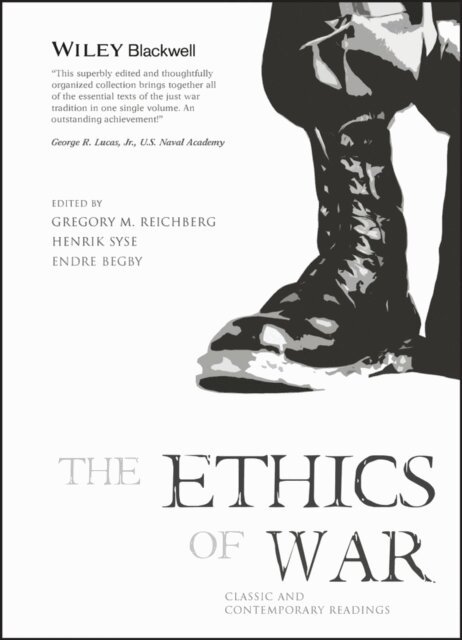
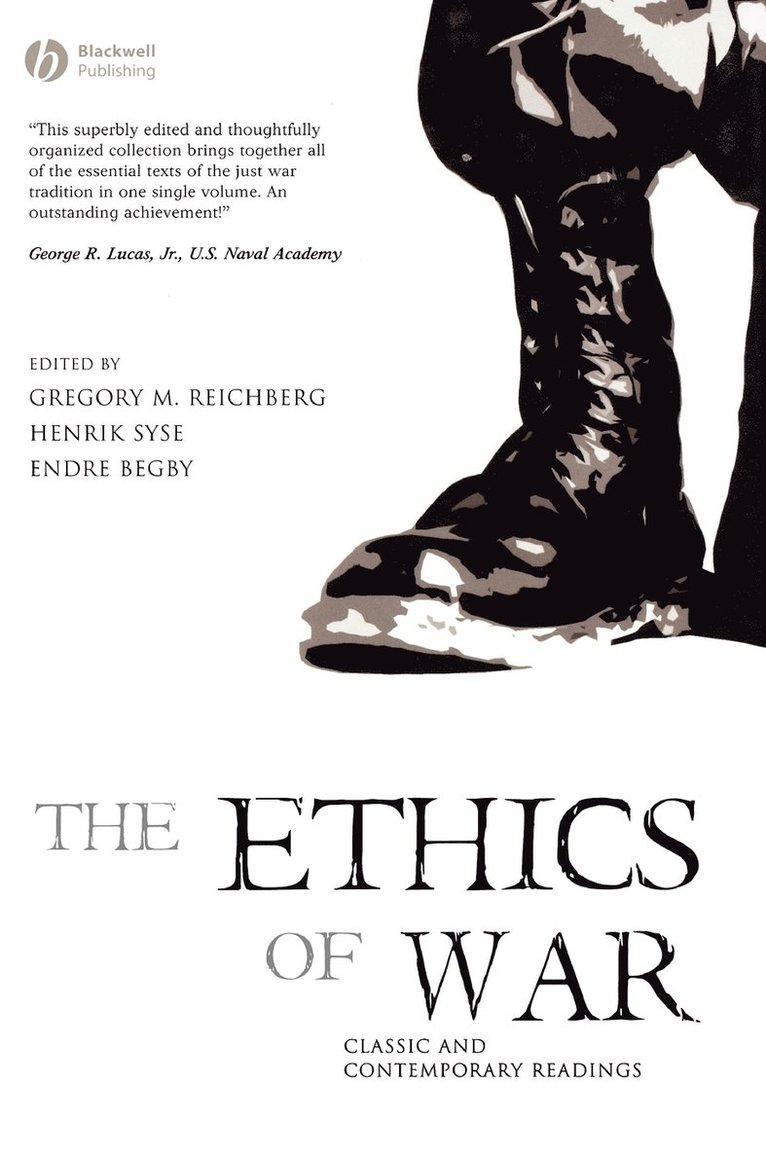
The Ethics of War is an indispensable collection of essays addressing issues both timely and age-old about the nature and ethics of war. Features essays by great thinkers from ancient times through to the present day, among them Plato, Augustine, Aquinas, Machiavelli, Grotius, Kant, Russell, and WalzerExamines timely questions such as: When is recourse to arms morally justifiable? What moral constraints should apply to military conduct? How can a lasting peace be achieved?Will appeal to a broad range of readers interested in morality and ethics in war timeIncludes informative introductions and helpful marginal notes by editors
444 kr
Skickas inom 7-10 vardagar
The Ethics of War is an indispensable collection of essays addressing issues both timely and age-old about the nature and ethics of war. Features essays by great thinkers from ancient times through to the present day, among them Plato, Augustine, Aquinas, Machiavelli, Grotius, Kant, Russell, and WalzerExamines timely questions such as: When is recourse to arms morally justifiable? What moral constraints should apply to military conduct? How can a lasting peace be achieved?Will appeal to a broad range of readers interested in morality and ethics in war timeIncludes informative introductions and helpful marginal notes by editors