Enrico Fattinnanzi – författare
Visar alla böcker från författaren Enrico Fattinnanzi. Handla med fri frakt och snabb leverans.
6 produkter
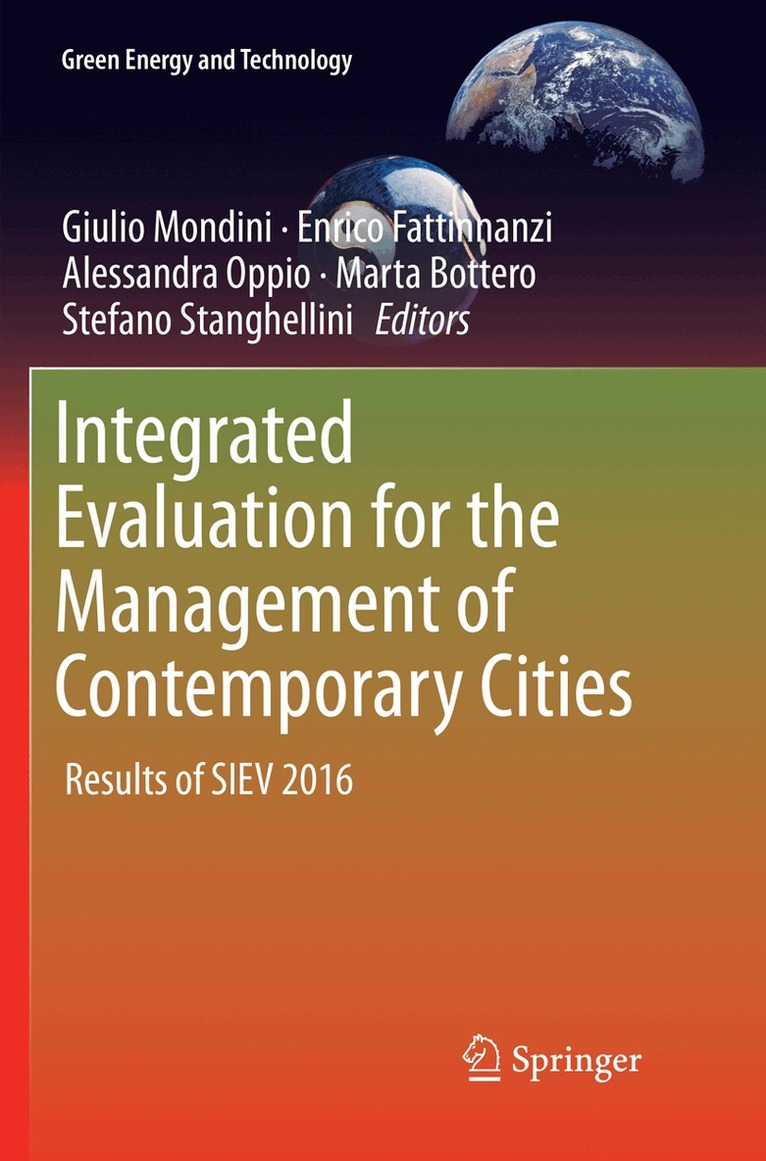
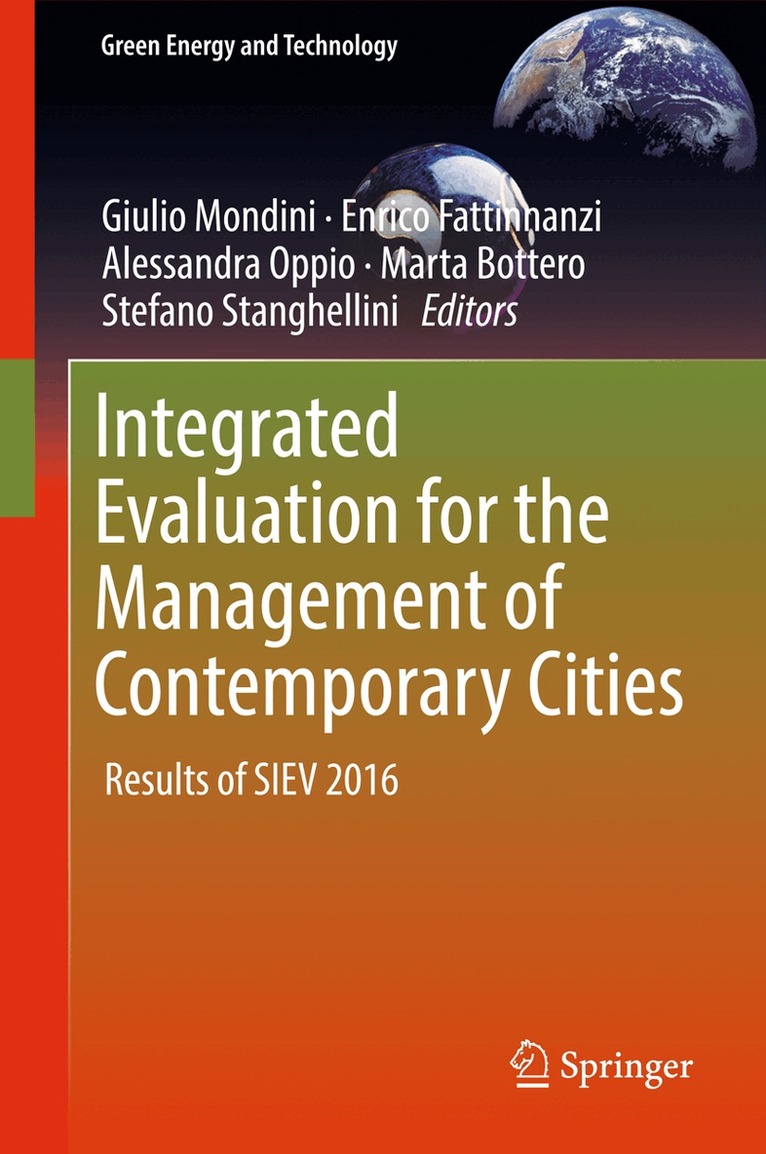
Integrated Evaluation for the Management of Contemporary Cities
Results of SIEV 2016
Av Giulio Mondini, Enrico Fattinnanzi m. fl.
Häftad, 2019
2183 kr
Lägg i varukorg
This book highlights a selection of the best papers presented at the 2016 SIEV conference “The Laudato sì Encyclical Letter and Valuation. Cities between Conflict and Solidarity, Decay and Regeneration, Exclusion and Participation”, which was held in Rome, Italy, in April 2016, and brought together …
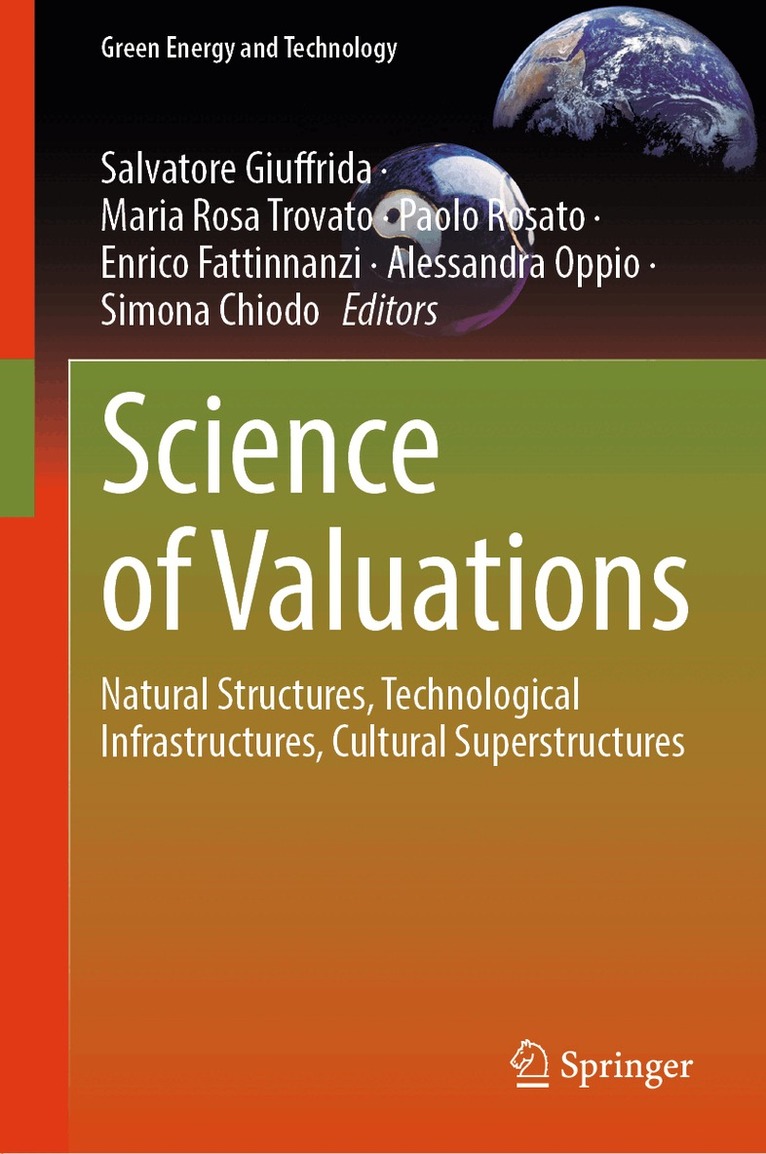
Science of Valuations
Natural Structures, Technological Infrastructures, Cultural Superstructures
Av Salvatore Giuffrida, Maria Rosa Trovato m. fl.
Inbunden, 2024
1970 kr
Lägg i varukorg
This volume collects the best papers presented at the 2019 Conference SIEV (Italian Society of Appraisal and Valuation) on the Science of Evaluation foundations, actuality, and prospects. The book consists of twenty-six papers and is organized into four parts: the first one collects reflections on …
Science of Valuations
Natural Structures, Technological Infrastructures, Cultural Superstructures
Av Simona Chiodo, Alessandra Oppio m. fl.
E-bok, 2024
2543 kr
Lägg i varukorg
This volume collects the best papers presented at the 2019 Conference SIEV (Italian Society of Appraisal and Valuation) on the Science of Evaluation foundations, actuality, and prospects. The book consists of twenty-six papers and is organized into four parts: the first one collects reflections on …
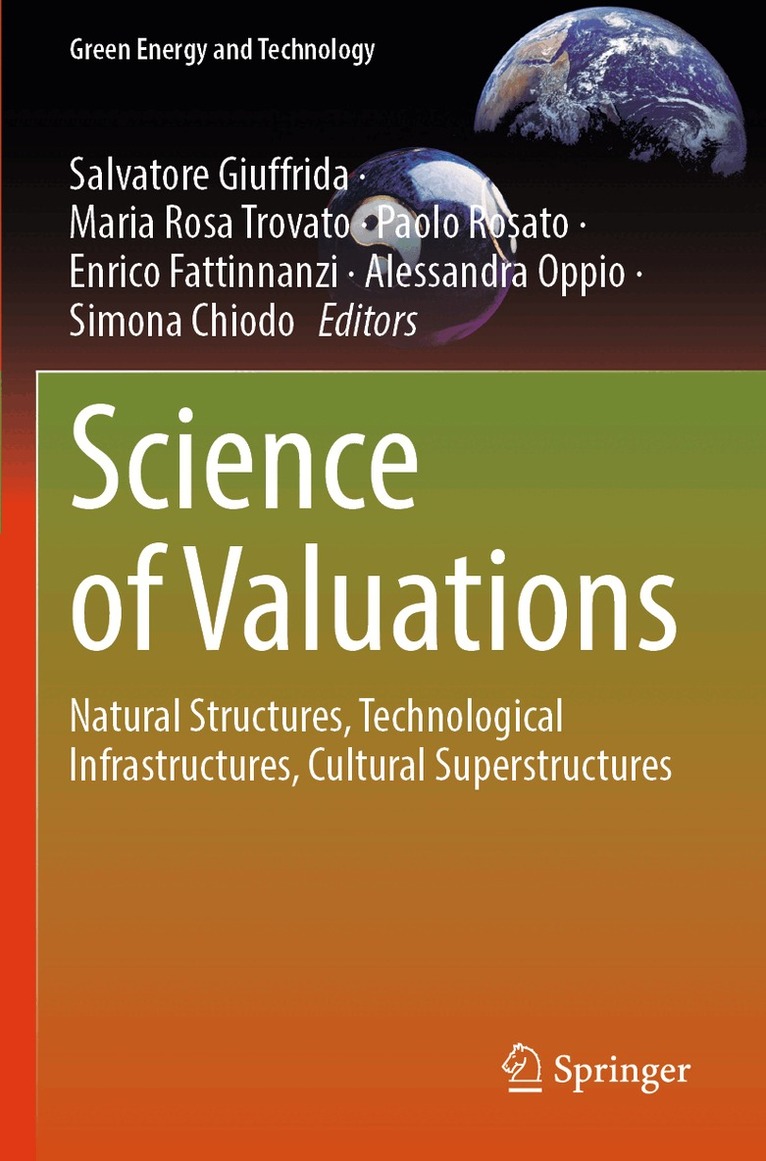
Science of Valuations
Natural Structures, Technological Infrastructures, Cultural Superstructures
Av Salvatore Giuffrida, Maria Rosa Trovato m. fl.
Häftad, 2025
1970 kr
Lägg i varukorg
This volume collects the best papers presented at the 2019 Conference SIEV (Italian Society of Appraisal and Valuation) on the Science of Evaluation foundations, actuality, and prospects. The book consists of twenty-six papers and is organized into four parts: the first one collects reflections on …
Integrated Evaluation for the Management of Contemporary Cities
Results of SIEV 2016
Av Giulio Mondini, Enrico Fattinnanzi m. fl.
Inbunden, 2018
2183 kr
Lägg i varukorg
This book highlights a selection of the best papers presented at the 2016 SIEV conference “The Laudato sì Encyclical Letter and Valuation. Cities between Conflict and Solidarity, Decay and Regeneration, Exclusion and Participation”, which was held in Rome, Italy, in April 2016, and brought together …
Integrated Evaluation for the Management of Contemporary Cities
Results of SIEV 2016
Av Stefano Stanghellini, Marta Bottero m. fl.
E-bok, 2018
2925 kr
Lägg i varukorg
This book highlights a selection of the best papers presented at the 2016 SIEV conference “The Laudato sì Encyclical Letter and Valuation. Cities between Conflict and Solidarity, Decay and Regeneration, Exclusion and Participation”, which was held in Rome, Italy, in April 2016, and brought together …