Eran Dolev – författare
Visar alla böcker från författaren Eran Dolev. Handla med fri frakt och snabb leverans.
6 produkter
6 produkter
E-bok
Engelska, 20142 182 kr
Läs direkt efter köp
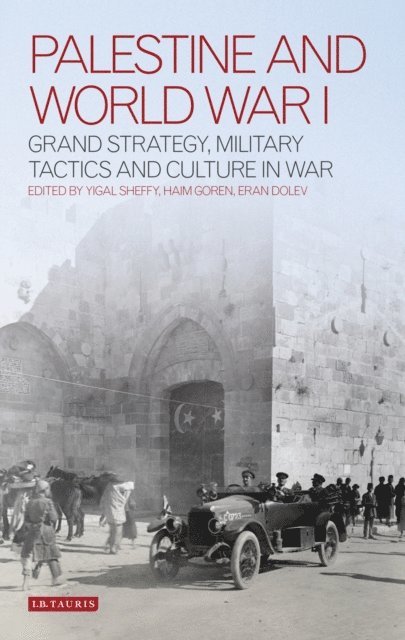
The Palestine Campaign has become one of the most glorified military campaigns of the twentieth century. The last campaign fought by the Ottoman Army, and thus the last act of the once-mighty Ottoman Empire, the Palestine Campaign saw the British Army under General Allenby conquer the Holy Land, forcing the Turkish army back into Europe. Meanwhile the secret Sykes-Picot Agreement ensured the British and French would continue to influence the Middle East for the next 60 years. This front saw some of the most influential stories of the Great War, from T.E. Lawrence's Arab army in the desert, to General Allenby entering Jerusalem on foot in 1917. Palestine and World War I shows how the events of the Great War have left a lasting legacy in the Middle East.
Inbunden, Engelska, 2014
2 013 kr
Skickas inom 10-15 vardagar
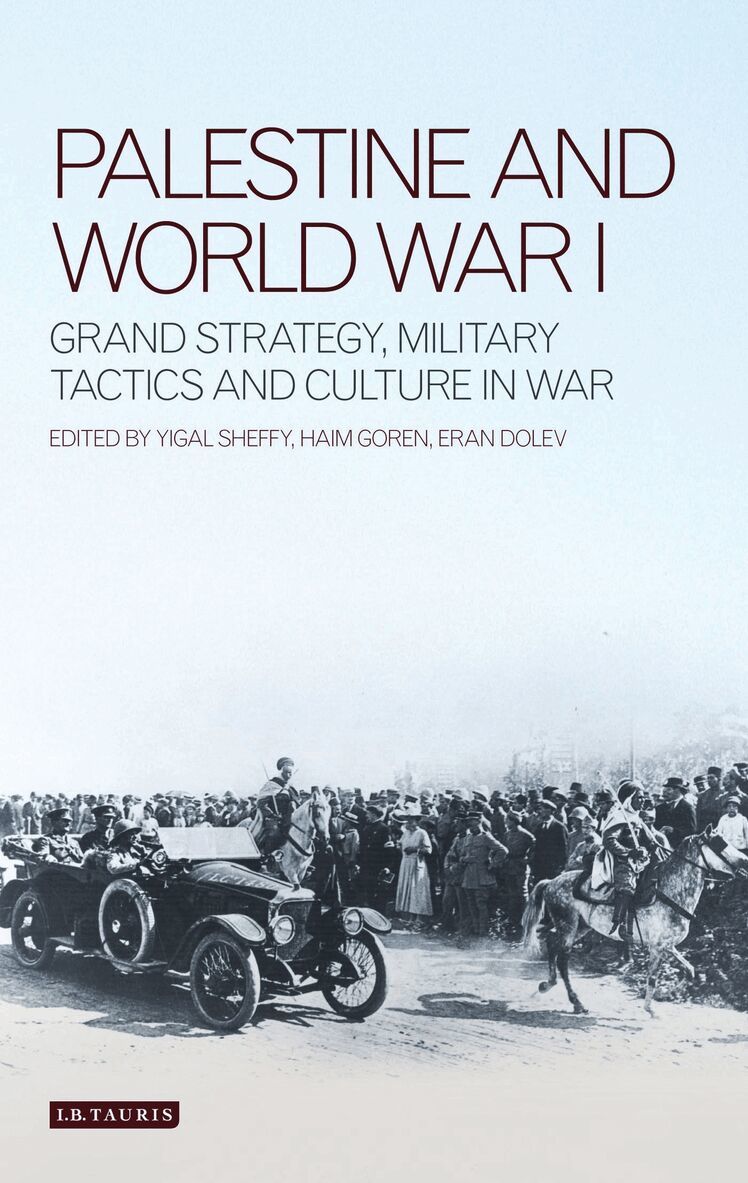
The Palestine Campaign has become one of the most glorified military campaigns of the twentieth century. The last campaign fought by the Ottoman Army, and thus the last act of the once-mighty Ottoman Empire, the Palestine Campaign saw the British Army under General Allenby conquer the Holy Land, forcing the Turkish army back into Europe. Meanwhile the secret Sykes-Picot Agreement ensured the British and French would continue to influence the Middle East for the next 60 years. This front saw some of the most influential stories of the Great War, from T.E. Lawrence's Arab army in the desert, to General Allenby entering Jerusalem on foot in 1917. Palestine and World War I shows how the events of the Great War have left a lasting legacy in the Middle East.
E-bok
PDF, Engelska, 20142 182 kr
Läs direkt efter köp
The Palestine Campaign has become one of the most glorified military campaigns of the twentieth century. The last campaign fought by the Ottoman Army, and thus the last act of the once-mighty Ottoman Empire, the Palestine Campaign saw the British Army under General Allenby conquer the Holy Land, forcing the Turkish army back into Europe. Meanwhile the secret Sykes-Picot Agreement ensured the British and French would continue to influence the Middle East for the next 60 years. This front saw some of the most influential stories of the Great War, from T.E. Lawrence's Arab army in the desert, to General Allenby entering Jerusalem on foot in 1917. Palestine and World War I shows how the events of the Great War have left a lasting legacy in the Middle East.
Inbunden, Engelska, 2007
2 013 kr
Skickas inom 10-15 vardagar
"Allenby's Military Medicine" examines a little-known feature of World War I as it was fought in the Middle East - the contribution made by the practice of military medicine to the success of Egyptian Expeditionary Force. In stark contrast with operations in the Boer War and some other First World War theatres of combat, which Eran Dolev describes as "medical disasters", the Palestine Campaign was marked by efficient and effective medical service. Dolev describes how this great achievement was inspired by General Allenby's uniquely attentive attitude towards the health of the troops and to military medicine. This is especially seen in the crucial area of fighting epidemic diseases like malaria, a major threat to a healthy fighting force at the time. Dolev also describes the general developments in military-medical organisation and surgery on the battlefield during these campaigns. The author's extensive and original research into military medicine is incorporated into an account of the campaign itself, demonstrating the degree to which the army's success depended on its medical support.The story of military medicine during the Palestine Campaigns is a story of exemplary relations between the command and the doctors in the field. The challenges they faced and their response constitute an exceptional chapter in the history of military medicine during the Great War.
E-bok
PDF, Engelska, 20121 420 kr
Läs direkt efter köp
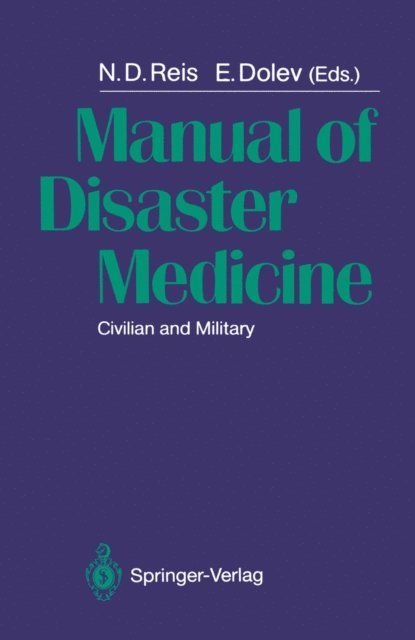
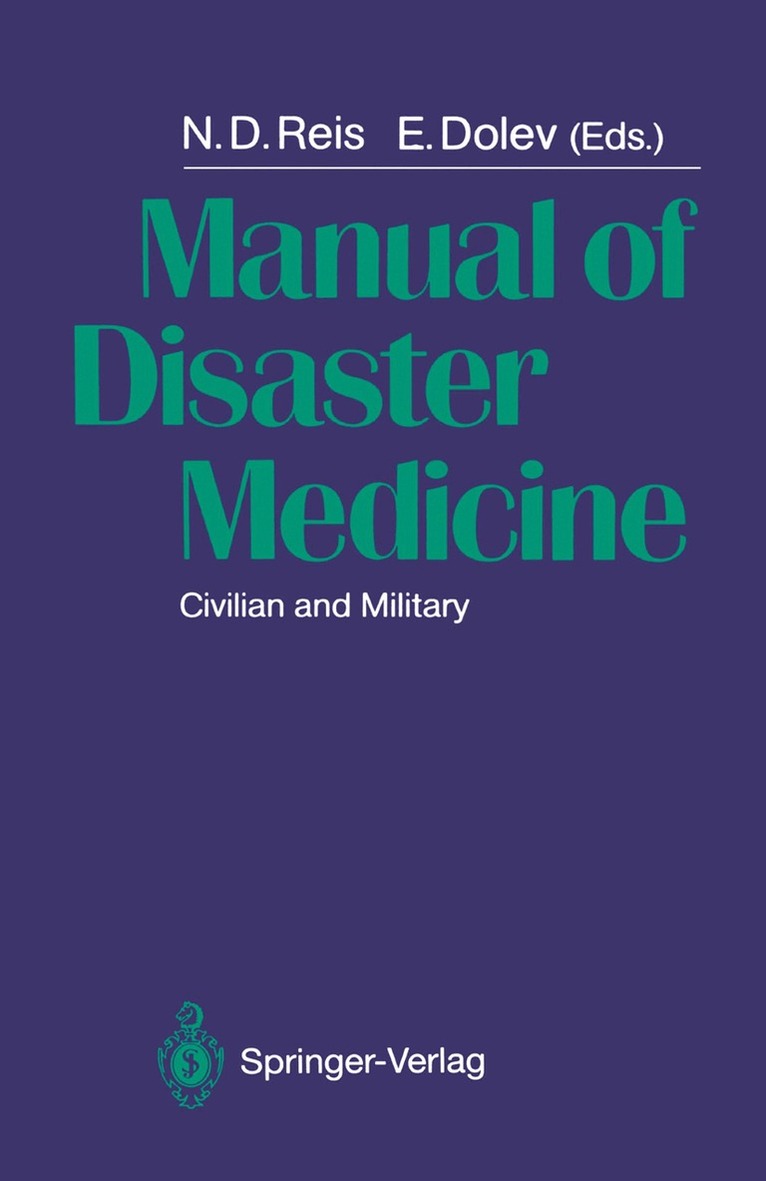
This book is not a learned treatise. Its purpose is to render practical instruction to all those physicians. surgeons, adminis trators, and paramedical personnel who have to act in war or disaster situations. As a manual it is in no way a substitute for existing detailed and specialized texts on the various aspects of trauma surgery and management: rather have we attempted to collate the most essenlial knowledge required to organize and afTord medical aid whenever civilian or military disaster strikes. The man on the spot is hardly ever a specialist, hence the need for a imple s general manual of instruction. The organizational aspects of medical services in war are very similar to those required for coping with a disaster: indeed the military are often called to cope with civilian disasters. Our duty is to be prepared, so as not to lose life and limb for lack of foresight. There are repetitions in the book for which no apologies are made, since they always concern invaluable knowledge. The chapters are organized to afford an understanding of the organization of medical services, the cause of wounds and trau matic disease, and the pathophysiological processes resulting from the different kinds of trauma. The management of treating casualties is divided in each section into the three basic eche lons: on site (at the actual place of wounding), at the medical (battalion) aid station and in the field or base hospital.
Häftad, Engelska, 2011
1 116 kr
Skickas inom 10-15 vardagar
This book is not a learned treatise. Its purpose is to render practical instruction to all those physicians. surgeons, adminis trators, and paramedical personnel who have to act in war or disaster situations. As a manual it is in no way a substitute for existing detailed and specialized texts on the various aspects of trauma surgery and management: rather have we attempted to collate the most essenlial knowledge required to organize and afTord medical aid whenever civilian or military disaster strikes. The man on the spot is hardly ever a specialist, hence the need for a imple s general manual of instruction. The organizational aspects of medical services in war are very similar to those required for coping with a disaster: indeed the military are often called to cope with civilian disasters. Our duty is to be prepared, so as not to lose life and limb for lack of foresight. There are repetitions in the book for which no apologies are made, since they always concern invaluable knowledge. The chapters are organized to afford an understanding of the organization of medical services, the cause of wounds and trau matic disease, and the pathophysiological processes resulting from the different kinds of trauma. The management of treating casualties is divided in each section into the three basic eche lons: on site (at the actual place of wounding), at the medical (battalion) aid station and in the field or base hospital.