Eric Deroo – författare
Visar alla böcker från författaren . Handla med fri frakt och snabb leverans.
3 produkter
3 produkter
Inbunden, Engelska, 2019
669 kr
Skickas inom 7-10 vardagar
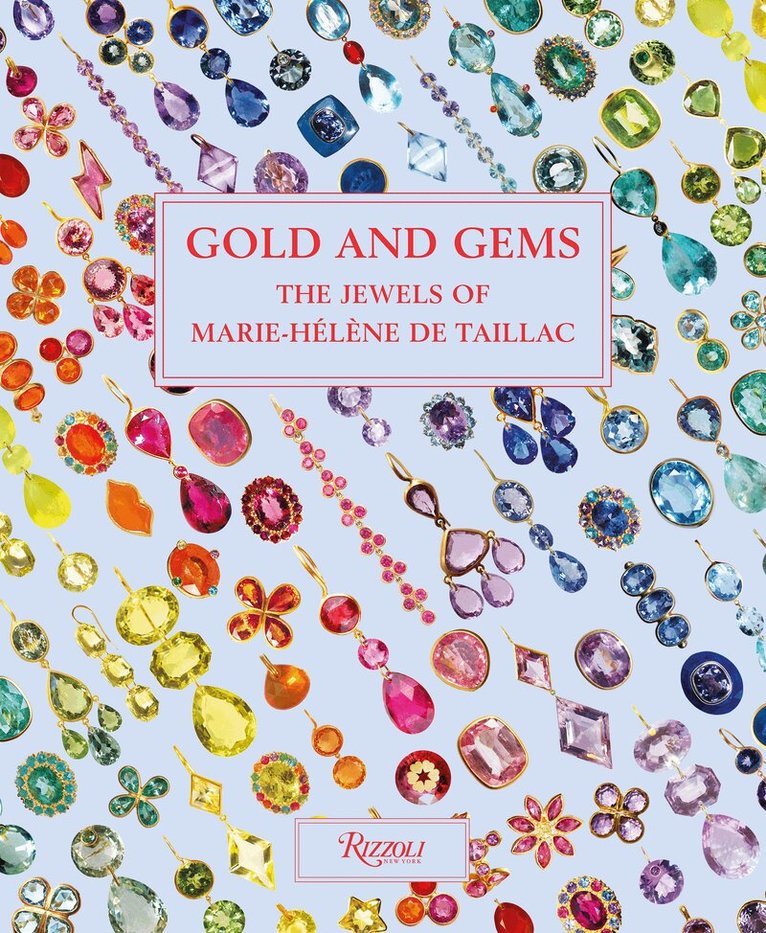
Parisian jewelry designer Marie-Hélène de Taillac's first book offers a sumptuous journey into her colorful and vibrant world, from her exotic inspirations to her artisanal savoir faireWhen she drew her first designs in 1996, Marie-Hélène de Taillac stirred a revolution in contemporary jewelry, forging a style centered on the artisanal techniques of handcrafted jewelry to showcase the stones themselves.The French designer's first monograph showcases her creations while delving into her inspirations, from whimsical fairy tales to her extensive travels. The layout reflects de Taillac's preoccupation with color, with each chapter featuring a different colored text. With detailed sections dedicated to the journey of creating jewelry, this new title presents a fascinating glimpse into the work of one of today's most exciting designers.
Inbunden, Engelska, 2008
2 547 kr
Skickas inom 3-6 vardagar
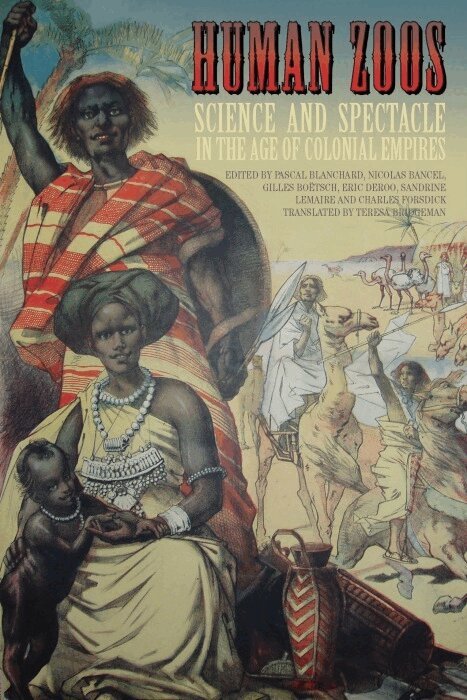
‘Human zoos’, forgotten symbols of the colonial era, have been totally repressed in our collective memory. In these ‘anthropo-zoological’ exhibitions, ‘exotic’ individuals were placed alongside wild beasts and presented behind bars or in enclosures. Human zoos were a key factor, however, in the progressive shift in the West from scientific to popular racism. Beginning with the early nineteenth-century European exhibition of the Hottentot Venus, this thoroughly documented volume underlines the ways in which they affected the lives of tens of millions of visitors, from London to New York, from Warsaw to Milan, from Moscow to Tokyo… Through Barnum’s freak shows, Hagenbeck’s ‘ethnic shows’ (touring major European cities from their German base), French-style villages nègres, as well as the great universal and colonial exhibitions, the West invented the ‘savage’, exhibited the ‘peoples of the world’, whilst in many cases preparing for or contributing to their colonization… This first mass contact between ‘us’ and ‘them’, between the West and elsewhere, created an invisible border. Measured by scientists, exploited in shows, used in official exhibitions, these men, women and children became extras in an imaginary and in a history that were not their own. Based on the best-selling French volume Zoos Humains but with a number of newly commissioned chapters, Human Zoos puts into perspective the ‘spectacularization’ of the Other, a process that is at the origin of contemporary stereotypes and of the construction of our own identities. A unique book, on a crucial phenomenon, which takes us to the heart of Western fantasies, and allows us to understand the genesis of identity in Japan, Europe and North America.
Häftad, Engelska, 2008
496 kr
Skickas inom 10-15 vardagar
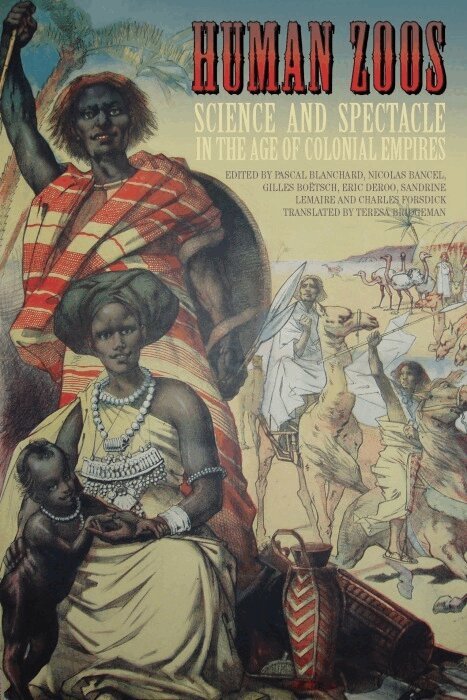
‘Human zoos’, forgotten symbols of the colonial era, have been totally repressed in our collective memory. In these ‘anthropo-zoological’ exhibitions, ‘exotic’ individuals were placed alongside wild beasts and presented behind bars or in enclosures. Human zoos were a key factor, however, in the progressive shift in the West from scientific to popular racism. Beginning with the early nineteenth-century European exhibition of the Hottentot Venus, this thoroughly documented volume underlines the ways in which they affected the lives of tens of millions of visitors, from London to New York, from Warsaw to Milan, from Moscow to Tokyo… Through Barnum’s freak shows, Hagenbeck’s ‘ethnic shows’ (touring major European cities from their German base), French-style villages nègres, as well as the great universal and colonial exhibitions, the West invented the ‘savage’, exhibited the ‘peoples of the world’, whilst in many cases preparing for or contributing to their colonization… This first mass contact between ‘us’ and ‘them’, between the West and elsewhere, created an invisible border. Measured by scientists, exploited in shows, used in official exhibitions, these men, women and children became extras in an imaginary and in a history that were not their own. Based on the best-selling French volume Zoos Humains but with a number of newly commissioned chapters, Human Zoos puts into perspective the ‘spectacularization’ of the Other, a process that is at the origin of contemporary stereotypes and of the construction of our own identities. A unique book, on a crucial phenomenon, which takes us to the heart of Western fantasies, and allows us to understand the genesis of identity in Japan, Europe and North America.