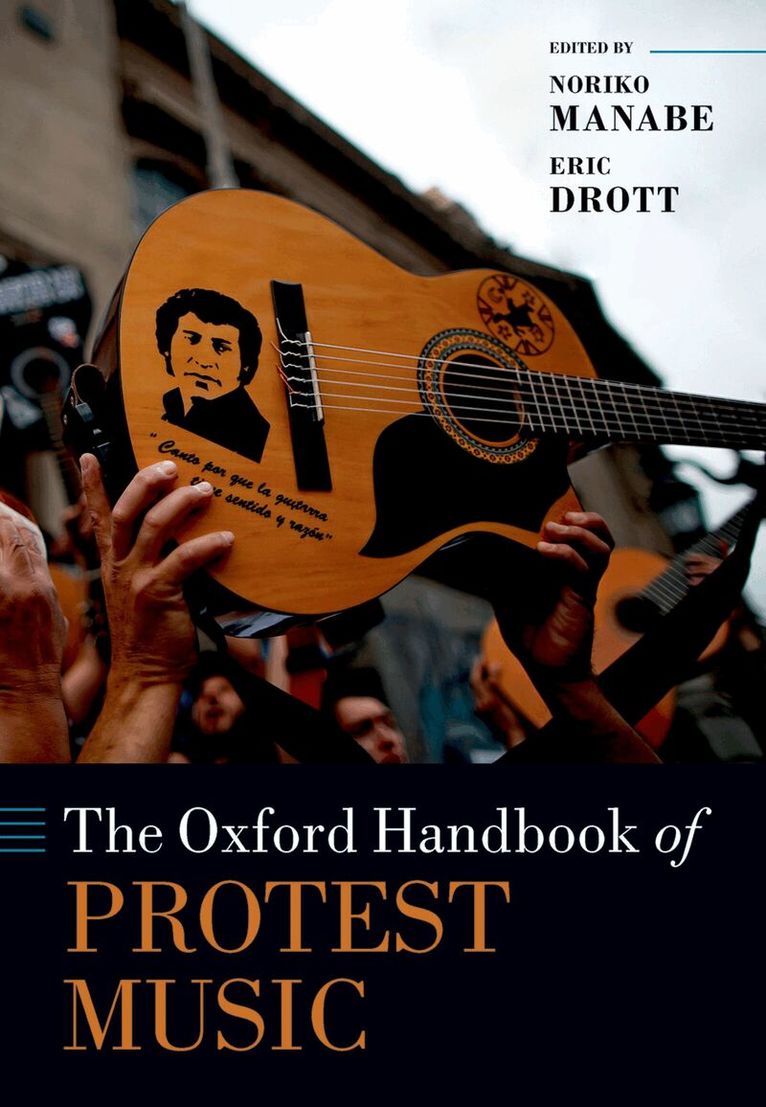
Since 2009, uprisings and protest movements have swept the globe in a strong protest cycle. As in past moments of social unrest, music and sound have played an integral part in these movements. The Oxford Handbook of Protest Music offers a range of novel perspectives on the roles that music and sound play in protest and social movements. Bringing together scholars from several different fields-ethnomusicology, popular music studies, history, musicology, political science, sociology, anthropology, media studies, music theory, and area studies, among others-the Handbook provides an expansive view of the topic from a variety of historical and geographical perspectives. Its chapters span six continents and extend from the early modern period to the present, addressing topics that include the songs adapted by protesters in Hong Kong during the 2014 Umbrella Movement; the important part played by radio and music broadcast over the air during the 2006 Oaxaca Commune; the circulation online of videos made by European far-right flash mobs during the 2010s; the fragmented political and sonic space of the Democratic Republic of Congo; the transatlantic circulation of political song after the American War of Independence; and much, much more. Together, the chapters invite readers to reassess received notions about what constitutes protest music, how it functions in the context of political struggle, plays on historical memory, interacts with media, and mobilizes communities. The Handbook provides an important and timely intervention into the study of music and protest, and it will be of interest to students and scholars from across the humanities and social sciences.
In May 1968, France teetered on the brink of revolution as a series of student protests spiraled into the largest general strike the country has ever known. In the forty years since, May '68 has come to occupy a singular place in the modern political imagination, not just in France but across the world. Eric Drott examines the social, political, and cultural effects of May '68 on a wide variety of music in France, from the initial shock of 1968 through the 'long' 1970s and the election of Mitterrand and the socialists in 1981. Drott's detailed account of how diverse music communities developed in response to 1968 and his pathbreaking reflections on the nature and significance of musical genre come together to provide insights into the relationships that link music, identity, and politics.
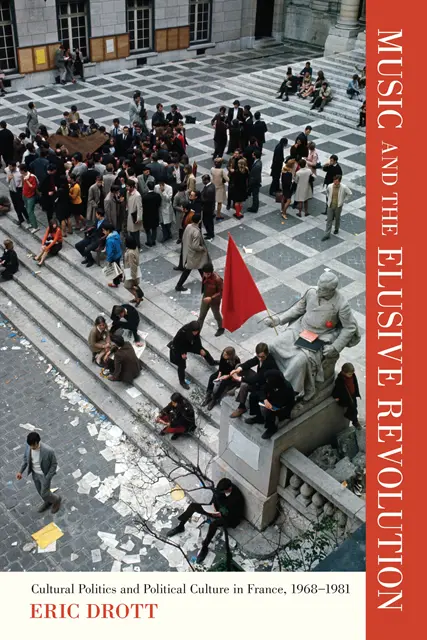
In May 1968, France teetered on the brink of revolution as a series of student protests spiraled into the largest general strike the country has ever known. In the forty years since, May ’68 has come to occupy a singular place in the modern political imagination, not just in France but across the world. Eric Drott examines the social, political, and cultural effects of May ’68 on a wide variety of music in France, from the initial shock of 1968 through the "long" 1970s and the election of Mitterrand and the socialists in 1981. Drott’s detailed account of how diverse music communities developed in response to 1968 and his pathbreaking reflections on the nature and significance of musical genre come together to provide insights into the relationships that link music, identity, and politics.
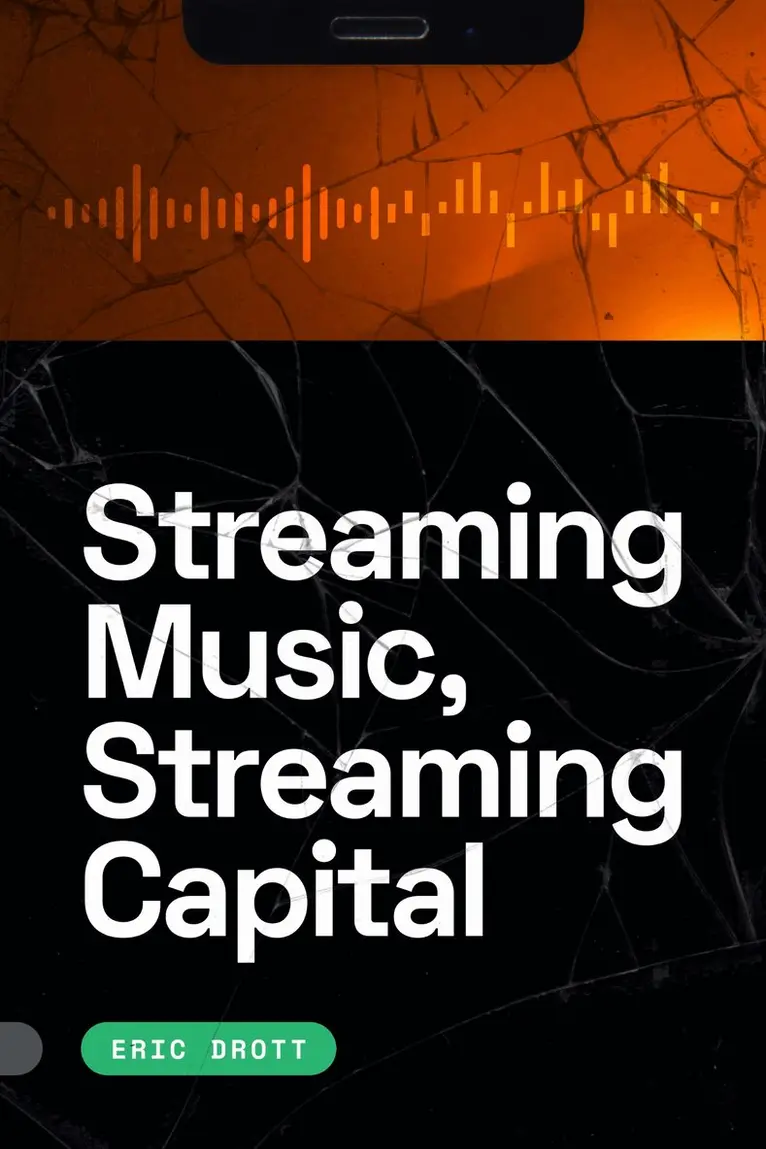
In Streaming Music, Streaming Capital, Eric Drott analyzes the political economy of online music streaming platforms. Attentive to the way streaming has reordered the production, circulation, and consumption of music, Drott examines key features of this new musical economy, including the roles played by data collection, playlisting, new methods of copyright enforcement, and the calculation of listening metrics. Yet because streaming underscores how uneasily music sits within existing regimes of private property, its rise calls for a broader reconsideration of music’s complex and contradictory relation to capitalism. Drott's analysis is not simply a matter of how music is formatted in line with dominant measures of economic value; equally important is how music eludes such measures, a situation that threatens to reduce music to a cheap, abundant resource. By interrogating the tensions between streaming’s benefits and pitfalls, Drott sheds light on music’s situation within digital capitalism, from growing concentrations of monopoly power and music’s use in corporate surveillance to issues of musical value, labor, and artist pay.
In Streaming Music, Streaming Capital, Eric Drott analyzes the political economy of online music streaming platforms. Attentive to the way streaming has reordered the production, circulation, and consumption of music, Drott examines key features of this new musical economy, including the roles played by data collection, playlisting, new methods of copyright enforcement, and the calculation of listening metrics. Yet because streaming underscores how uneasily music sits within existing regimes of private property, its rise calls for a broader reconsideration of music’s complex and contradictory relation to capitalism. Drott''s analysis is not simply a matter of how music is formatted in line with dominant measures of economic value; equally important is how music eludes such measures, a situation that threatens to reduce music to a cheap, abundant resource. By interrogating the tensions between streaming’s benefits and pitfalls, Drott sheds light on music’s situation within digital capitalism, from growing concentrations of monopoly power and music’s use in corporate surveillance to issues of musical value, labor, and artist pay.