Eric I. Karchmer - Böcker
Visar alla böcker från författaren Eric I. Karchmer. Handla med fri frakt och snabb leverans.
4 produkter
4 produkter
323 kr
Skickas inom 10-15 vardagar
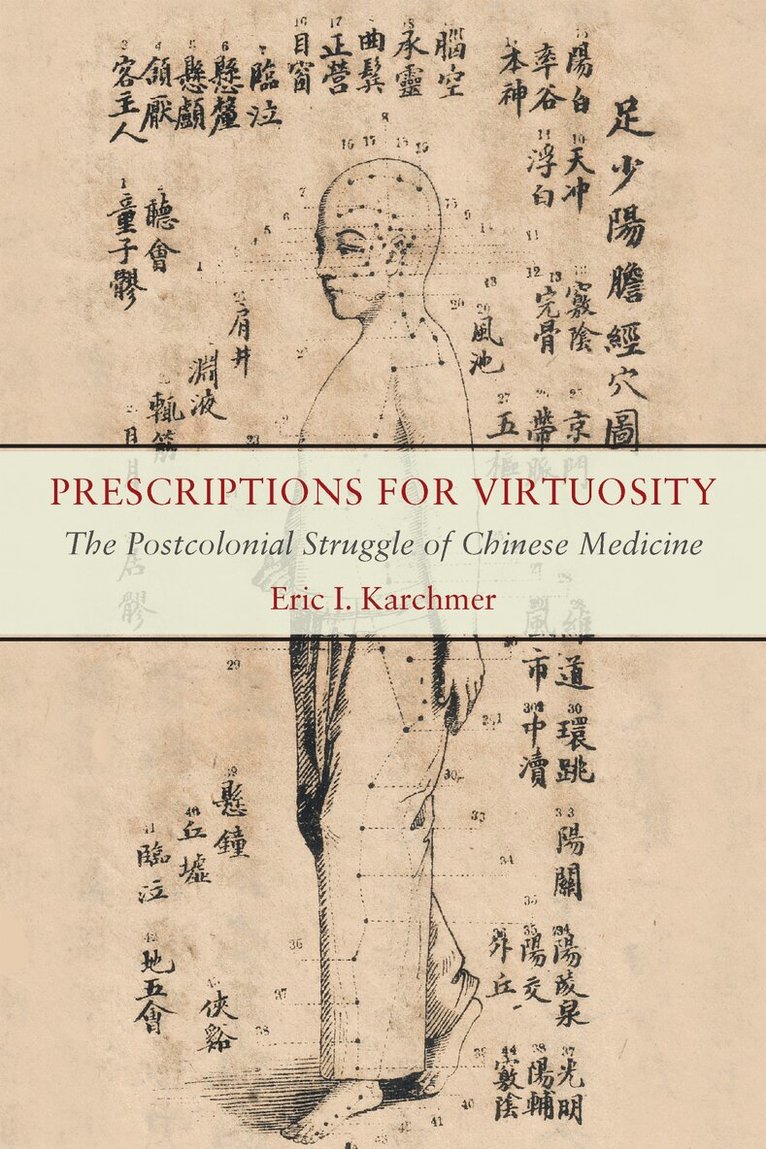
Although Chinese medicine is assumed to be a timeless healing tradition, the encounter with modern biomedicine threatened its very existence and led to many radical changes. Prescriptions for Virtuosity tells the story of how doctors of Chinese medicine have responded to the global dominance of biomedicine and developed new forms of virtuosity to keep their clinical practice relevant in contemporary Chinese society.Based on extensive ethnographic and historical research, the book documents the strategies of Chinese medicine doctors to navigate postcolonial power inequalities. Doctors have followed two seemingly contradictory courses of action. First, they have emphasized the unique "Chinese" characteristics of their practice, defining them against the perceived strengths of biomedicine, and producing an ontological divide between the two medical systems. These oppositions have inadvertently marginalized Chinese medicine, making it seem appropriate for clinical use only when biomedical solutions are lacking. Second, doctors have found points of convergence to facilitate the blending of the two medical practices, producing innovative solutions to difficult clinical problems.Prescriptions for Virtuosity examines how the postcolonial condition can generate not only domination but hybridity. Karchmer shows, for example, how the clinical methodology of "pattern discrimination and treatment determination" bianzheng lunzhi, which is today celebrated as the quintessential characteristic of Chinese medicine, is a twentieth-century invention. When subjected to the institutional standardizations of hospital practice, bianzheng lunzhi can lead to an impoverished form of medicine. But in the hands of a virtuoso physicians, it becomes a dynamic tool for moving between biomedicine and Chinese medicine to create innovative new therapies.
1 271 kr
Skickas inom 10-15 vardagar
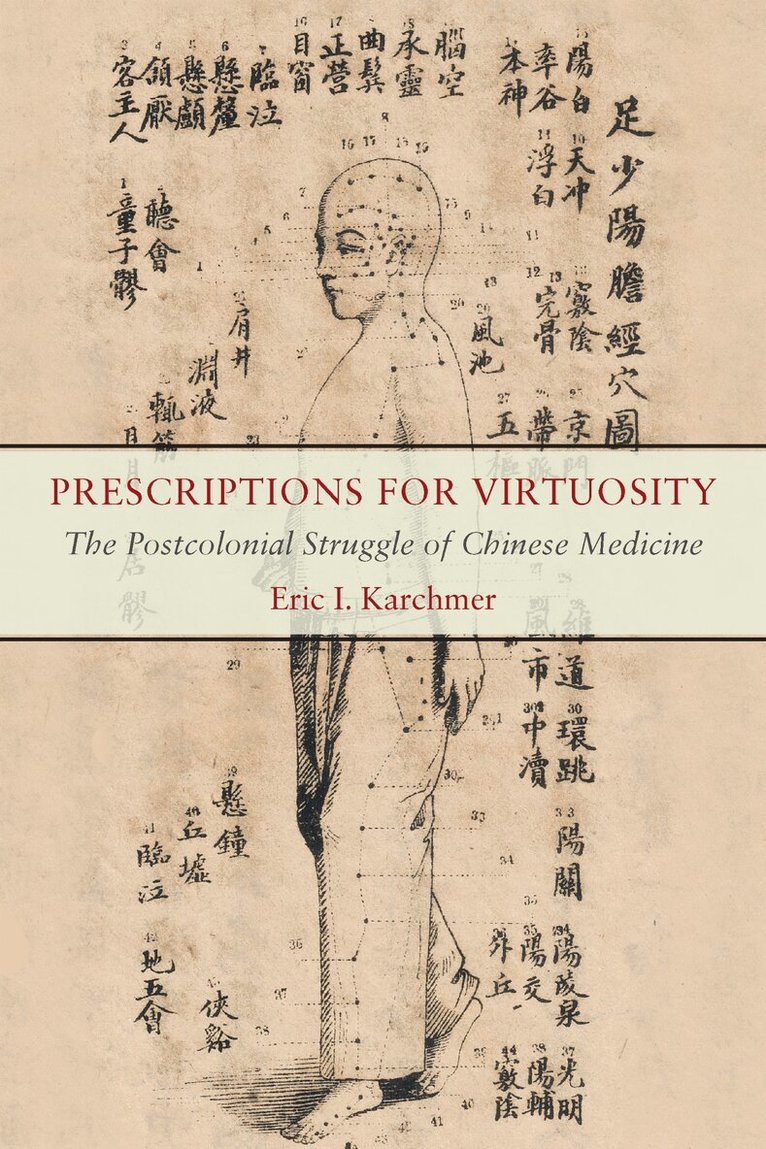
Although Chinese medicine is assumed to be a timeless healing tradition, the encounter with modern biomedicine threatened its very existence and led to many radical changes. Prescriptions for Virtuosity tells the story of how doctors of Chinese medicine have responded to the global dominance of biomedicine and developed new forms of virtuosity to keep their clinical practice relevant in contemporary Chinese society.Based on extensive ethnographic and historical research, the book documents the strategies of Chinese medicine doctors to navigate postcolonial power inequalities. Doctors have followed two seemingly contradictory courses of action. First, they have emphasized the unique "Chinese" characteristics of their practice, defining them against the perceived strengths of biomedicine, and producing an ontological divide between the two medical systems. These oppositions have inadvertently marginalized Chinese medicine, making it seem appropriate for clinical use only when biomedical solutions are lacking. Second, doctors have found points of convergence to facilitate the blending of the two medical practices, producing innovative solutions to difficult clinical problems.Prescriptions for Virtuosity examines how the postcolonial condition can generate not only domination but hybridity. Karchmer shows, for example, how the clinical methodology of "pattern discrimination and treatment determination" bianzheng lunzhi, which is today celebrated as the quintessential characteristic of Chinese medicine, is a twentieth-century invention. When subjected to the institutional standardizations of hospital practice, bianzheng lunzhi can lead to an impoverished form of medicine. But in the hands of a virtuoso physicians, it becomes a dynamic tool for moving between biomedicine and Chinese medicine to create innovative new therapies.
1 476 kr
Skickas inom 10-15 vardagar
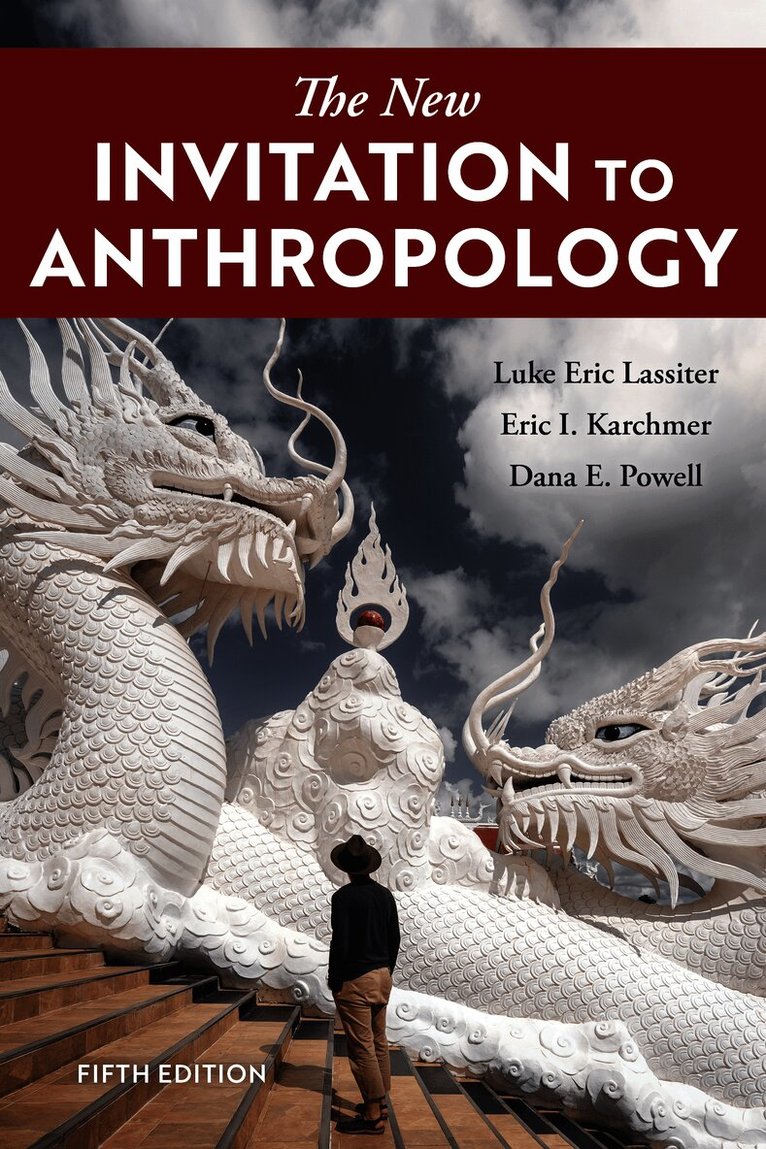
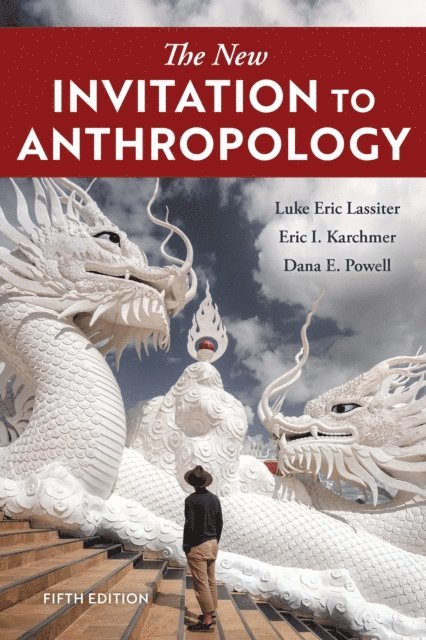
Born within and against the violence of European colonial conquest, anthropology has aspired to understand the diversity of human experience in ethical and transformative ways. The New Invitation to Anthropology is a fresh and accessible text that takes students to the heart of the discipline and reveals the ongoing relevance of anthropology today. The New Invitation to Anthropology, Fifth Edition has an intimate touch that invites students in and helps them understand the historical roots of anthropology and its connection to recent social and political issues. Part I covers the history of the discipline, the emergence of the concept of culture, and ethnographic field methods in relation to European imperialism and discourses on race. Part II illustrates how the concept of culture shaped specific domains of anthropological study, including ecological adaptation, social class, gender, family, marriage, religion, and medicine.As a timely and engaging “non-textbook,” The New Invitation to Anthropology explores anthropological perspectives on real-world problems, helping students think like anthropologists and become better citizens of the world.New To This EditionSignificantly revised Chapter 1, “The Origins of North American Anthropology,” demonstrates how modern anthropology emerged out of 19th century theories of race and social evolutionism and develops critical understandings of modern forms of racism New sections on social class and globalization in Chapter 4 offer insights into the complexities of modern global problems like climate changeNew elaborations of intersectionality in Chapter 5, “Sex, Gender, and Inequality” reinforces discussions of gender-based inequalityChapter 7 on religious experience now incorporates healing and medicine to expand a framework of studying belief and experience
488 kr
Skickas inom 10-15 vardagar
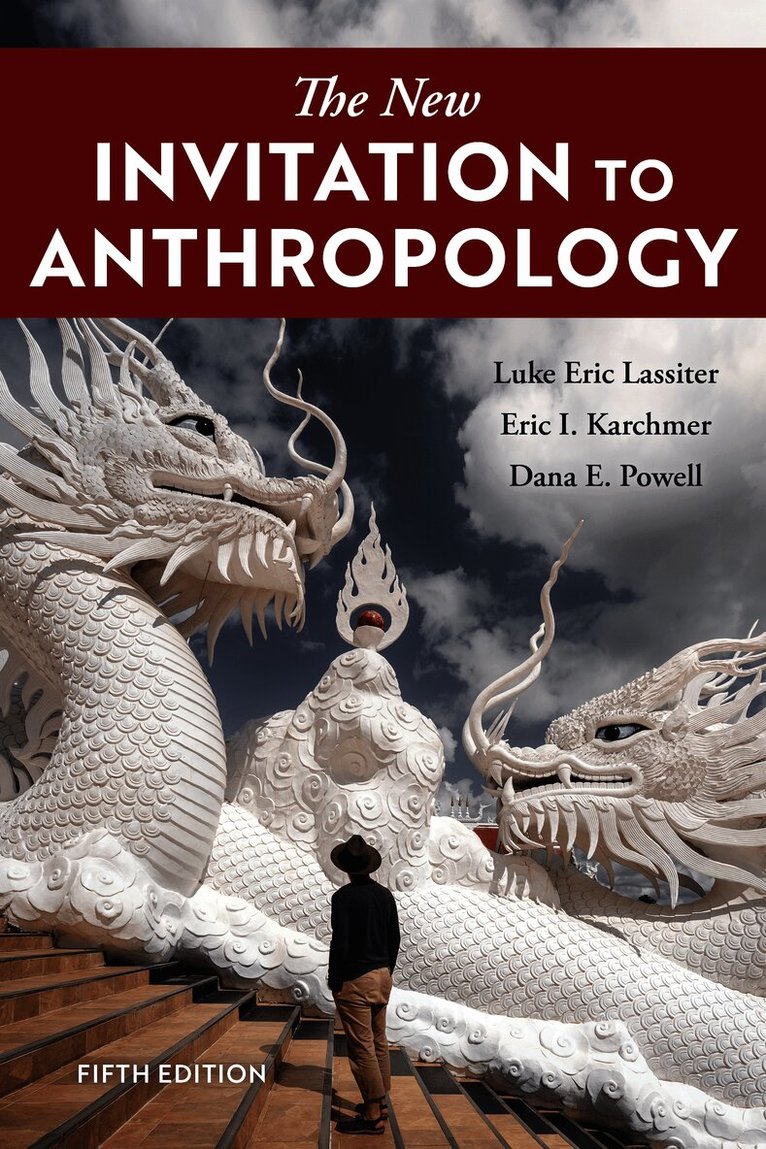
Born within and against the violence of European colonial conquest, anthropology has aspired to understand the diversity of human experience in ethical and transformative ways. The New Invitation to Anthropology is a fresh and accessible text that takes students to the heart of the discipline and reveals the ongoing relevance of anthropology today. The New Invitation to Anthropology, Fifth Edition has an intimate touch that invites students in and helps them understand the historical roots of anthropology and its connection to recent social and political issues. Part I covers the history of the discipline, the emergence of the concept of culture, and ethnographic field methods in relation to European imperialism and discourses on race. Part II illustrates how the concept of culture shaped specific domains of anthropological study, including ecological adaptation, social class, gender, family, marriage, religion, and medicine.As a timely and engaging “non-textbook,” The New Invitation to Anthropology explores anthropological perspectives on real-world problems, helping students think like anthropologists and become better citizens of the world.New To This EditionSignificantly revised Chapter 1, “The Origins of North American Anthropology,” demonstrates how modern anthropology emerged out of 19th century theories of race and social evolutionism and develops critical understandings of modern forms of racism New sections on social class and globalization in Chapter 4 offer insights into the complexities of modern global problems like climate changeNew elaborations of intersectionality in Chapter 5, “Sex, Gender, and Inequality” reinforces discussions of gender-based inequalityChapter 7 on religious experience now incorporates healing and medicine to expand a framework of studying belief and experience