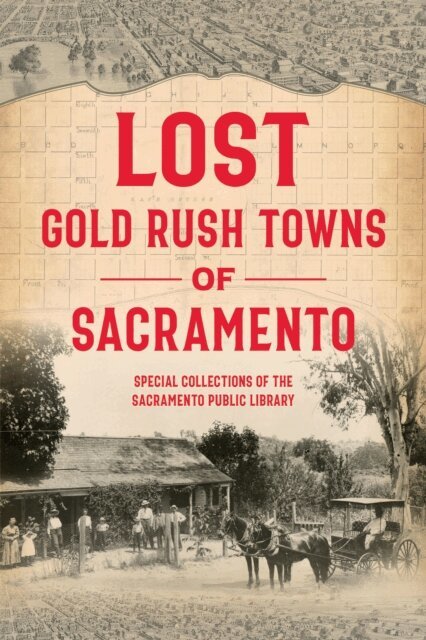
The Cannibal CityIn the early days of the California Gold Rush, Sacramento City had several competing towns vying for the influx of newcomers. Many of its rivals not only had vibrant multicultural communities but also enjoyed superior geography for transportation and flood control. Even the initial land grant from Johann Sutter is considered controversial if not downright fiction, yet Sacramento thrived where others failed. Once-bustling Mormon Island was initially the proposed site of the railway that would end up bypassing it, and Brighton became a hotbed of agitation after the deadly "e;Squatters' Riot,"e; leading to its decline. Hoboken, Prairie City and more were also wiped off the map. The Special Collections of the Sacramento Public Library explores the history of these lost Sacramentos.
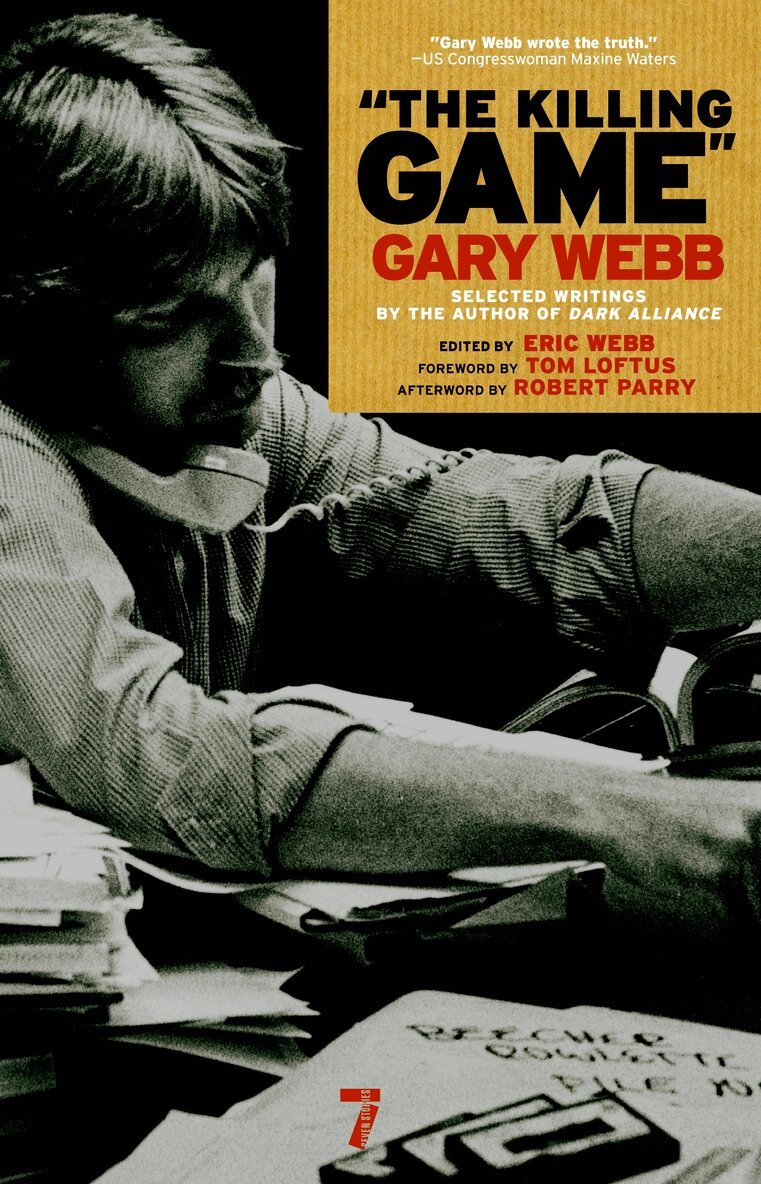
Gary Webb had an inborn journalistic tendency to track down corruption and expose it. For over thirty-four years, he wrote stories about corruption from county, state, and federal levels. He had an almost magnetic effect to these kinds of stories, and it was almost as if the stories found him. It was his gift, and, ultimately, it was his downfall.He was best known for his story Dark Alliance, written for the San Jose Mercury News in 1996. In it Webb linked the CIA to the crack-cocaine epidemic in Los Angeles during the Iran Contra scandal. His only published book, Dark Alliance is still a classic of contemporary journalism. But his life consisted of much more than this one story, and The Killing Game is a collection of his best investigative stories from his beginning at the Kentucky Post to his end at the Sacramento News & Review. It includes Webb's series at the Kentucky Post on organized crime in the coal industry, at the Cleveland Plain Dealer on Ohio State’s negligent medical board, and on the US military’s funding of first-person shooter video games. The Killing Game is a dedication to his life’s work outside of Dark Alliance, and it’s an exhibition of investigative journalism in its truest form.
The Cannibal CityIn the early days of the California Gold Rush, Sacramento City had several competing towns vying for the influx of newcomers. Many of its rivals not only had vibrant multicultural communities but also enjoyed superior geography for transportation and flood control. Even the initial land grant from Johann Sutter is considered controversial if not downright fiction, yet Sacramento thrived where others failed. Once-bustling Mormon Island was initially the proposed site of the railway that would end up bypassing it, and Brighton became a hotbed of agitation after the deadly "e;Squatters' Riot,"e; leading to its decline. Hoboken, Prairie City and more were also wiped off the map. The Special Collections of the Sacramento Public Library explores the history of these lost Sacramentos.
Gary Webb had an inborn journalistic tendency to track down corruption and expose it. For over thirty-four years, he wrote stories about corruption from county, state, and federal levels. He had an almost magnetic effect to these kinds of stories, and it was almost as if the stories found him. It was his gift, and, ultimately, it was his downfall.He was best known for his story Dark Alliance, written for the San Jose Mercury News in 1996. In it Webb linked the CIA to the crack-cocaine epidemic in Los Angeles during the Iran Contra scandal. His only published book, Dark Alliance is still a classic of contemporary journalism. But his life consisted of much more than this one story, and The Killing Game is a collection of his best investigative stories from his beginning at the Kentucky Post to his end at the Sacramento News & Review. It includes Webb's series at the Kentucky Post on organized crime in the coal industry, at the Cleveland Plain Dealer on Ohio State’s negligent medical board, and on the US military’s funding of first-person shooter video games. The Killing Game is a dedication to his life’s work outside of Dark Alliance, and it’s an exhibition of investigative journalism in its truest form.