Erica Morawski - Böcker
Visar alla böcker från författaren Erica Morawski. Handla med fri frakt och snabb leverans.
5 produkter
5 produkter
1 608 kr
Skickas inom 7-10 vardagar
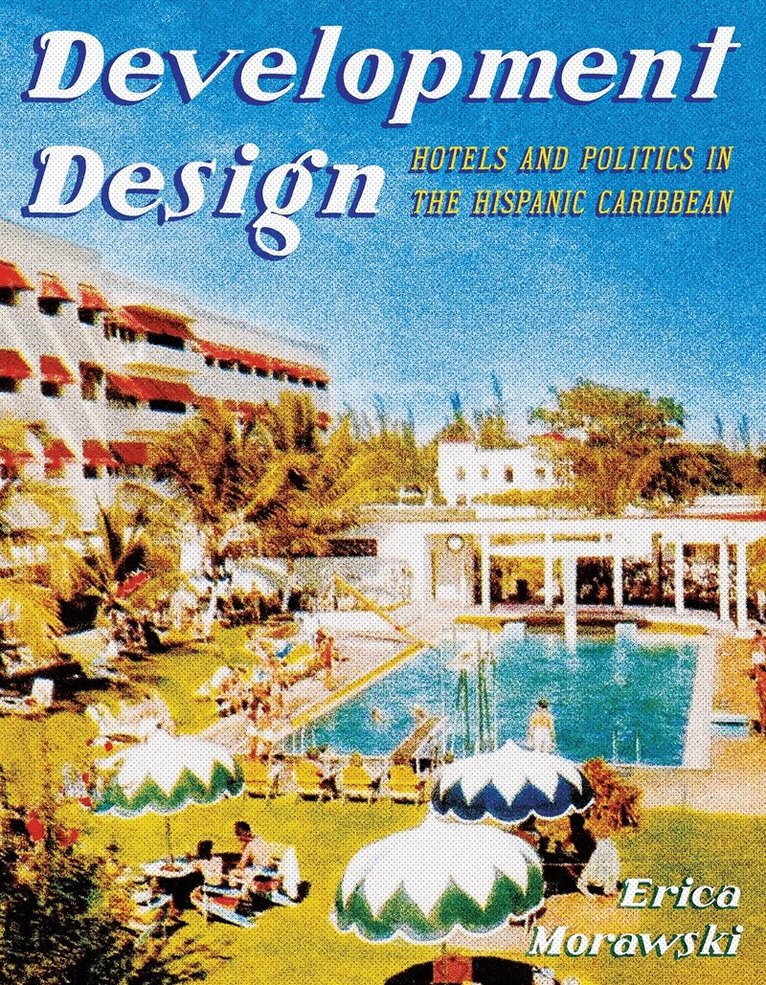
Underneath picturesque views of palm trees, fruity cocktails in hotel lounges, and day trips to preserved colonial zones lies a history of tourism design that intersects with larger projects of development and national and cultural identity formation. Locating modernity and coloniality as the key framework within which tourism development takes place, Development Design focuses on hotel design and its relation to larger urban and rural landscapes to uncover the way these seemingly carefree spaces are bound to local politics and international relations. Focusing on three sites in the Hispanic Caribbean—San Juan, Ciudad Trujillo, and Havana—Morawski traces different attitudes and approaches to tourism and its material design through five hotels that serve as case studies. Through examination of wicker chairs and lobby interiors, architecture and landscaping, public works and urban planning, Development Design illustrates the integral role hotel design played in negotiated and contested histories of development in Puerto Rico, the Dominican Republic, and Cuba.
488 kr
Skickas inom 7-10 vardagar
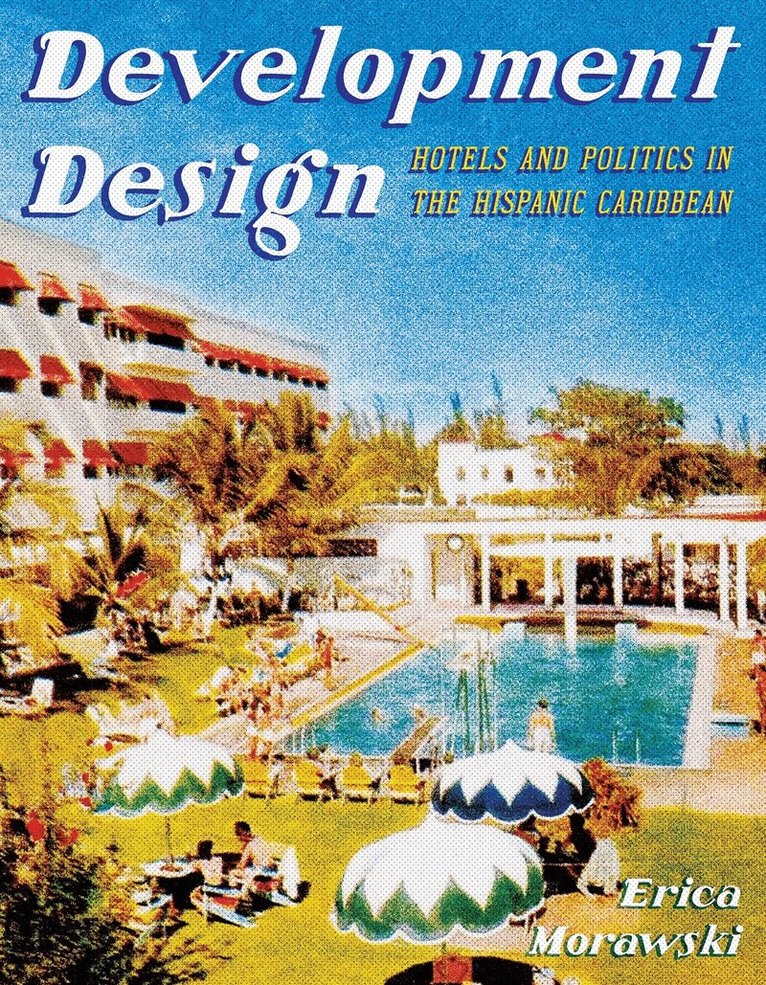
Underneath picturesque views of palm trees, fruity cocktails in hotel lounges, and day trips to preserved colonial zones lies a history of tourism design that intersects with larger projects of development and national and cultural identity formation. Locating modernity and coloniality as the key framework within which tourism development takes place, Development Design focuses on hotel design and its relation to larger urban and rural landscapes to uncover the way these seemingly carefree spaces are bound to local politics and international relations. Focusing on three sites in the Hispanic Caribbean—San Juan, Ciudad Trujillo, and Havana—Morawski traces different attitudes and approaches to tourism and its material design through five hotels that serve as case studies. Through examination of wicker chairs and lobby interiors, architecture and landscaping, public works and urban planning, Development Design illustrates the integral role hotel design played in negotiated and contested histories of development in Puerto Rico, the Dominican Republic, and Cuba.
Imperial Islands
Art, Architecture, and Visual Experience in the US Insular Empire After 1898
Häftad, Engelska, 2022
291 kr
Skickas inom 7-10 vardagar
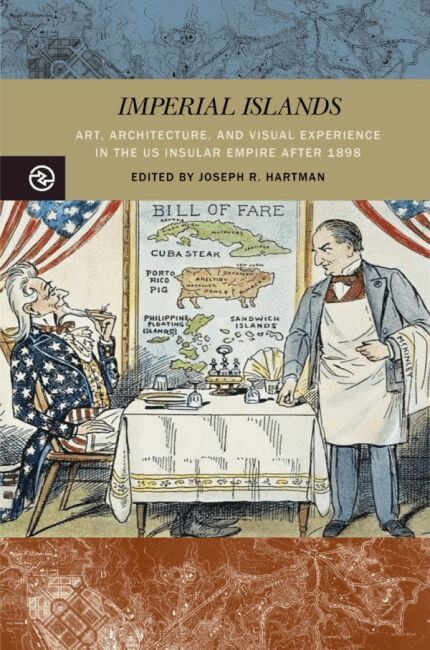
When the USS Maine mysteriously exploded in Havana’s harbor on February 15, 1898, the United States joined local rebel forces to avenge the Maine and "liberate" Cuba from the Spanish empire. "Remember the Maine! To Hell with Spain!" So went the popular slogan. Little did the Cubans know that the United States was not going to give them freedom—in less than a year the American flag replaced the Spanish flag over the various island colonies of Cuba, Guam, Puerto Rico, and the Philippines. Spurred by military successes and dreams of an island empire, the US annexed Hawai‘i that same year, even establishing island colonies throughout Micronesia and the Antilles.With the new governmental orders of creating new art, architecture, monuments, and infrastructure from the United States, the island cultures of the Caribbean and Pacific were now caught in a strategic scope of a growing imperial power. These spatial and visual objects created a visible confrontation between local indigenous, African, Asian, Spanish, and US imperial expressions. These material and visual histories often go unacknowledged, but serve as uncomplicated "proof" for the visible confrontation between the US and the new island territories. The essays in this volume contribute to an important art-historical, visual cultural, architectural, and materialist critique of a growing body of scholarship on the US Empire and the War of 1898. Imperial Islands seeks to reimagine the history and cultural politics of art, architecture, and visual experience in the US insular context. The authors of this volume propose a new direction of visual culture and spatial experience through nuanced terrains for writing, envisioning, and revising US-American, Caribbean, and Pacific histories. These original essays address the role of art and architecture in expressions of state power; racialized and gendered representations of the United States and its island colonies; and forms of resistance to US cultural presence. Featuring interdisciplinary approaches, Imperial Islands offers readers a new way of learning the ongoing significance of vision and experience in the US empire today, particularly for Caribbean, Latinx, Pilipinx, and Pacific Island communities.
579 kr
Skickas inom 10-15 vardagar
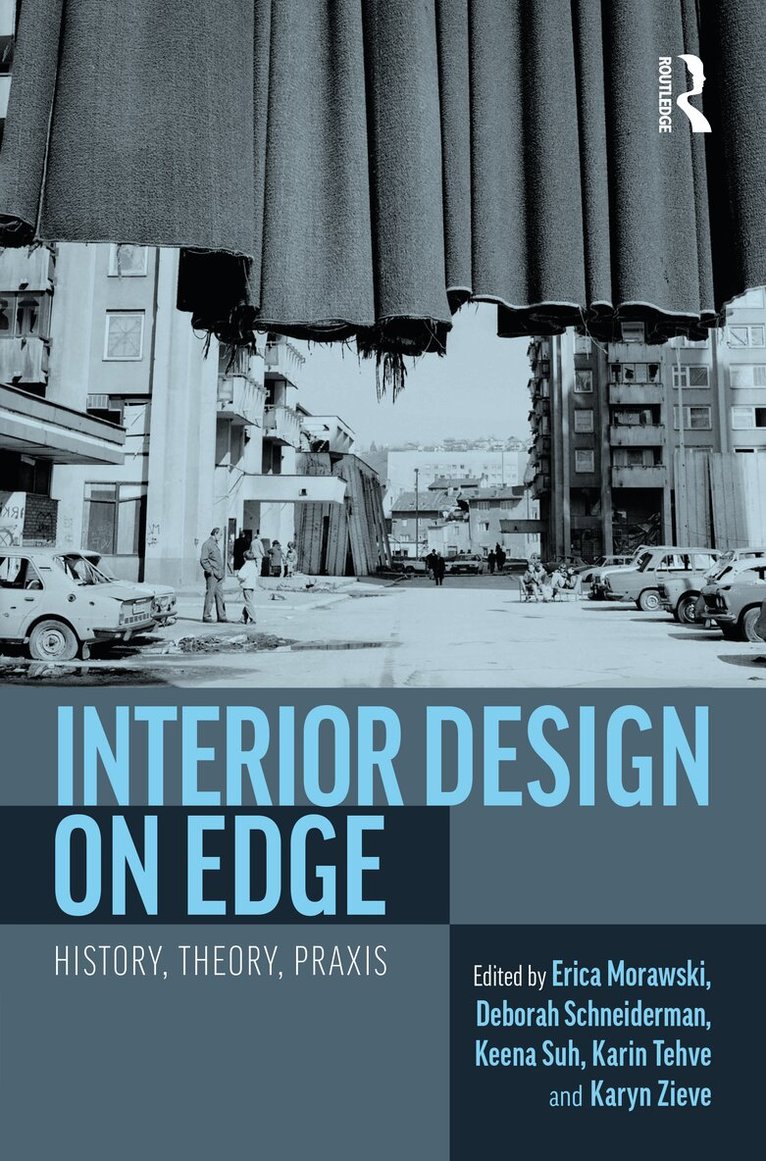
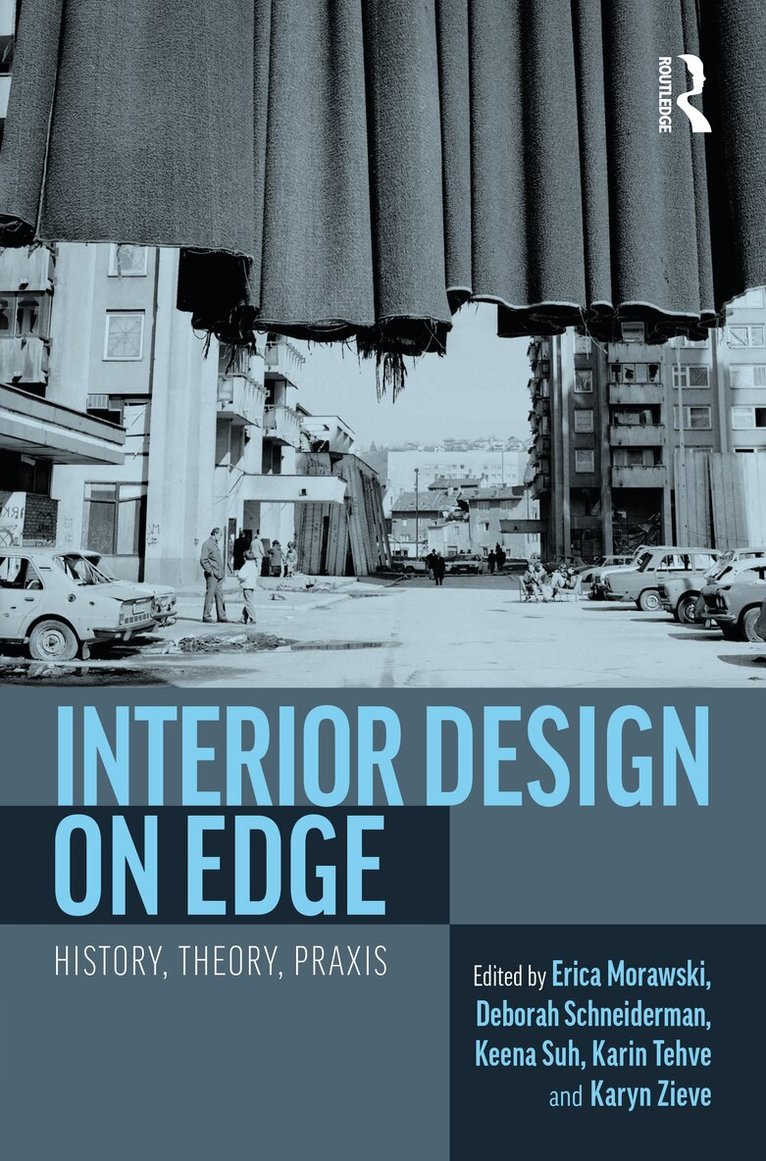
Interior Design on Edge explores ways that interiors both constitute and upset our edges, whether physical, conceptual or psychological, imagined, implied, necessary or discriminatory.The essays in this volume explore these questions in history, theory, and praxis through a focus on different periods, cultures, and places. Interior Design on Edge showcases new scholarship that expands and contests traditional relationships between architecture, interiors, and the people that use and design them, provoking readers to consider the interior differently, moving beyond its traditional, architectural definition. Focusing on the concept of interiority considered in a wider sense, it draws on interdisciplinary modes of investigation and analysis and reflects the latest theoretical developments in the fields of interior design history and practice.With new research from both established and emerging authors, this volume will make a valuable contribution to the fields of Interior Design, Architecture, Art and Design History, Cultural History, Visual Culture Studies, and Urban Studies.
2 150 kr
Skickas inom 10-15 vardagar
Interior Design on Edge explores ways that interiors both constitute and upset our edges, whether physical, conceptual or psychological, imagined, implied, necessary or discriminatory.The essays in this volume explore these questions in history, theory, and praxis through a focus on different periods, cultures, and places. Interior Design on Edge showcases new scholarship that expands and contests traditional relationships between architecture, interiors, and the people that use and design them, provoking readers to consider the interior differently, moving beyond its traditional, architectural definition. Focusing on the concept of interiority considered in a wider sense, it draws on interdisciplinary modes of investigation and analysis and reflects the latest theoretical developments in the fields of interior design history and practice.With new research from both established and emerging authors, this volume will make a valuable contribution to the fields of Interior Design, Architecture, Art and Design History, Cultural History, Visual Culture Studies, and Urban Studies.