Erick R. Bandala – författare
Visar alla böcker från författaren Erick R. Bandala. Handla med fri frakt och snabb leverans.
6 produkter
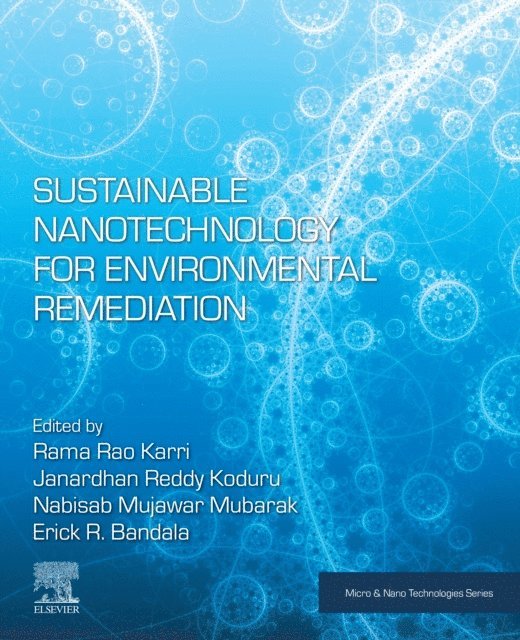
Sustainable Nanotechnology for Environmental Remediation
Av Rama Rao Karri, Janardhan Reddy Koduru m. fl.
Häftad, 2022
2766 kr
Lägg i varukorg
Sustainable Nanotechnology for Environmental Remediation provides a single-source solution to researchers working in environmental, wastewater management, biological and composite nanomaterials applications. It addresses the potential environmental risks and uncertainties surrounding the use of …
Sustainable Nanotechnology for Environmental Remediation
Av Erick R. Bandala, Nabisab Mujawar Mubarak m. fl.
E-bok, 2022
3942 kr
Lägg i varukorg
Sustainable Nanotechnology for Environmental Remediation provides a single-source solution to researchers working in environmental, wastewater management, biological and composite nanomaterials applications. It addresses the potential environmental risks and uncertainties surrounding the use of …
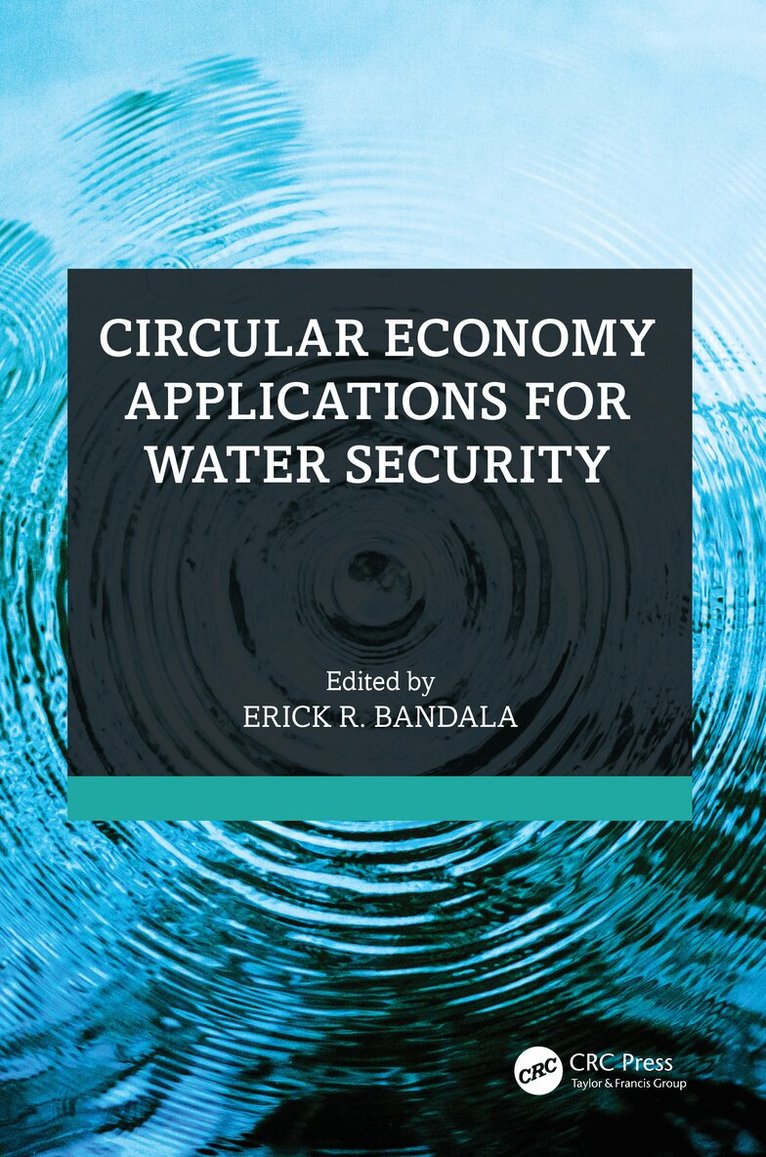
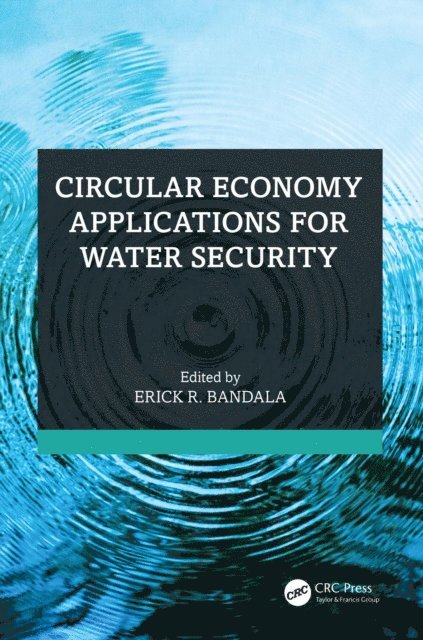
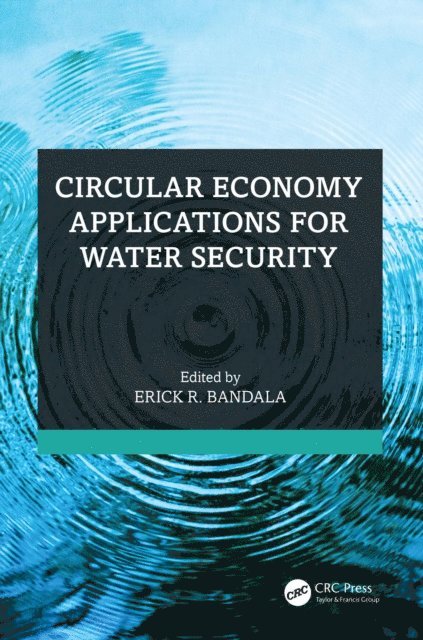
Circular Economy Applications for Water Security
Inbunden, 2024
1526 kr
Lägg i varukorg
In arid and semi-arid regions, where water demand exceeds water availability, water security is becoming a significant concern not only related to water availability but also to rigorous and costly requirements to remove conventional and emerging contaminants from effluents discharging into …
Circular Economy Applications for Water Security
Häftad, 2026
825 kr
Lägg i varukorg
In arid and semi-arid regions, where water demand exceeds water availability, water security is becoming a significant concern not only related to water availability but also to rigorous and costly requirements to remove conventional and emerging contaminants from effluents discharging into …
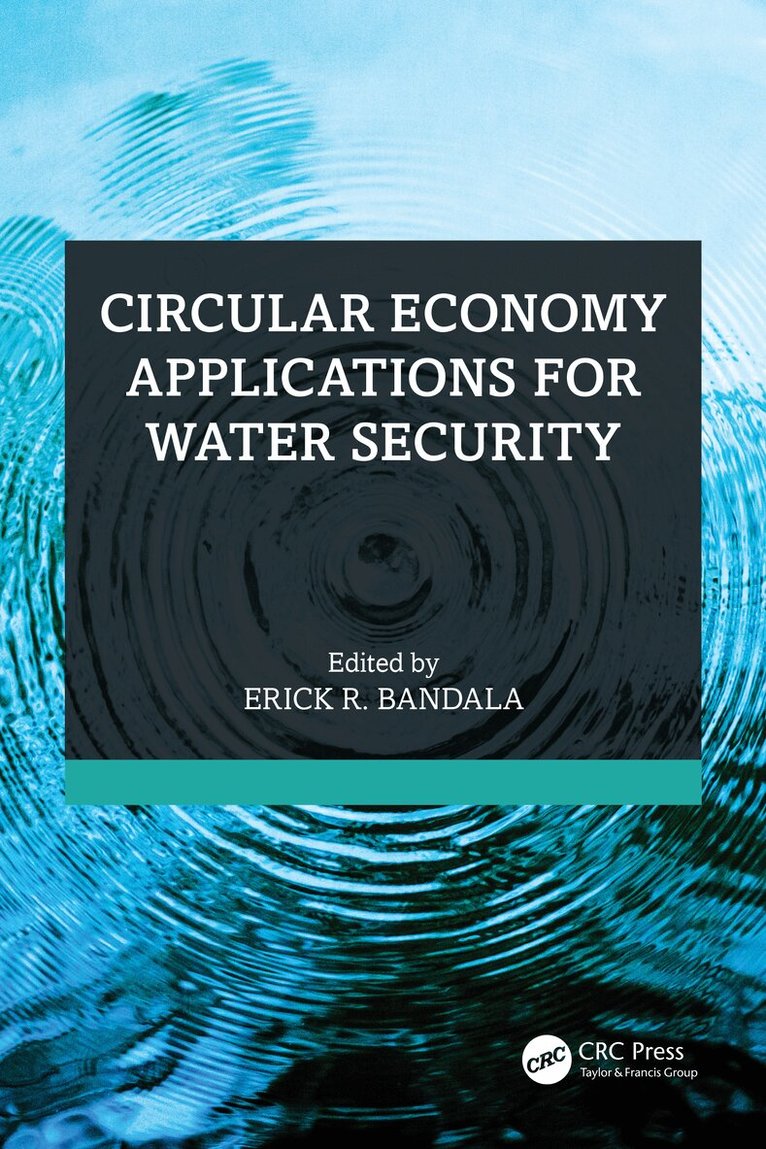
Circular Economy Applications for Water Security
E-bok, 2024
1711 kr
Lägg i varukorg
In arid and semi-arid regions, where water demand exceeds water availability, water security is becoming a significant concern not only related to water availability but also to rigorous and costly requirements to remove conventional and emerging contaminants from effluents discharging into …
Circular Economy Applications for Water Security
E-bok, 2024
1749 kr
Lägg i varukorg
In arid and semi-arid regions, where water demand exceeds water availability, water security is becoming a significant concern not only related to water availability but also to rigorous and costly requirements to remove conventional and emerging contaminants from effluents discharging into …