Erika Gál – författare
Visar alla böcker från författaren Erika Gál. Handla med fri frakt och snabb leverans.
2 produkter
2 produkter
Inbunden, Engelska, 2010
853 kr
Skickas inom 5-8 vardagar
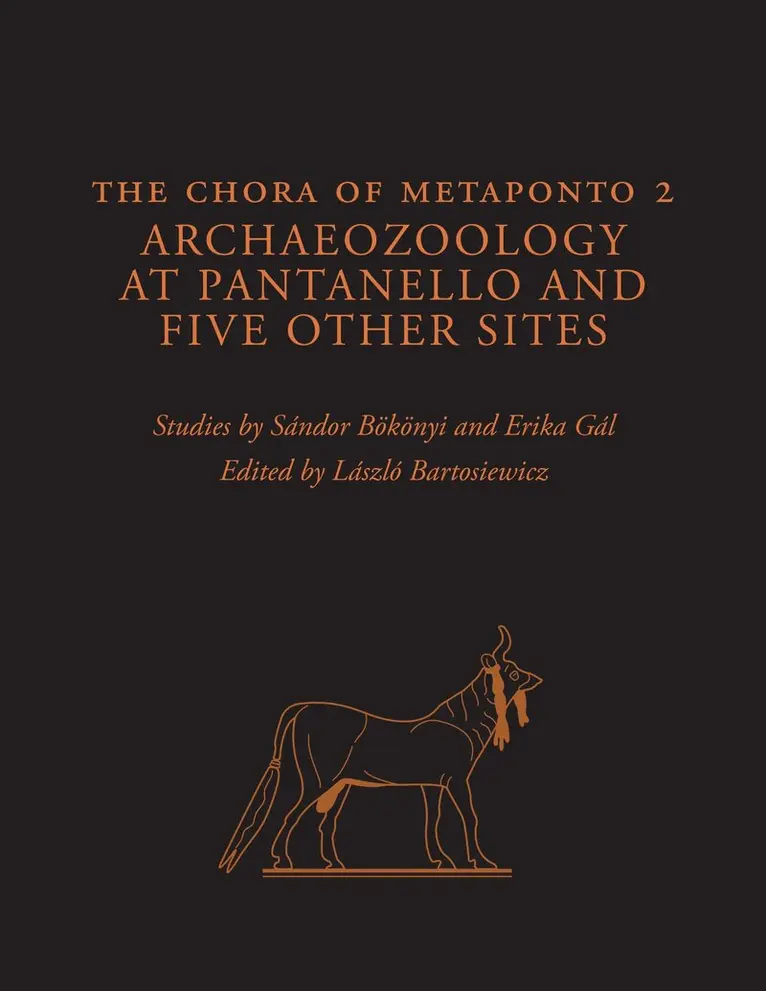
From 1974 to the present, the Institute of Classical Archaeology at the University of Texas at Austin has carried out archaeological excavations in the ancient territory (chora) of Metaponto, now located in the modern province of Basilicata on the southern coast of Italy. This wide-ranging investigation, which covers a number of sites and a time period ranging from prehistory to the Roman Empire, has unearthed a wealth of new information about the ancient rural economy in southern Italy. These discoveries will be published in a multi-volume series titled The Chora of Metaponto. This volume on archaeozoology-the study of animal remains from archaeological sites-is the second in the series, following The Chora of Metaponto: The Necropoleis (1998).Archaeozoology at Pantanello and Five Other Sites describes the animal remains found throughout Metaponto and discusses what they reveal about ancient practices of hunting and herding, domestication and importation of new breeds, people's attitudes toward animals, and what animal remains indicate about past environments. A chapter devoted to bird bones, which are a relatively rare find because of their fragility, provides high quality information on the environment and methods of fowling, as well as on the beliefs and symbolism associated with birds. The final chapter covers tools-some simple, others sophisticated and richly decorated-made from animal bones.
E-bok
Engelska, 2021122 kr
Läs direkt efter köp
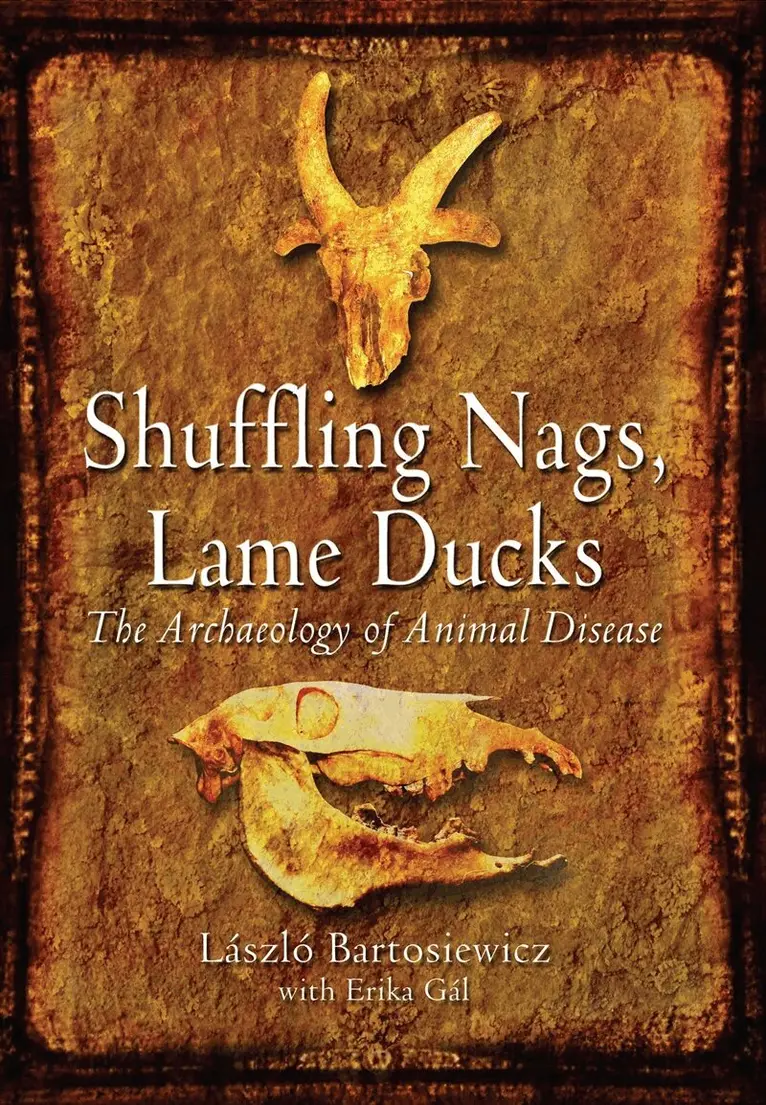
The analysis of animal bone assemblages from archaeological sites provides much valuable data concerning economic and husbandry practices in the past, as well as insights into cultural and symbolic or ritual activity. Animal palaeopathology can identify diseases in archaeozoological assemblages but little interest has been expressed in investigating and understanding the cultural aspects of the diseases identified. Such assemblages represent the cumulative effects of human attitudes, decisions and influences regarding the keeping, care, treatment, neglect and exploitation of animals which result in a range of conditions, non-infectious diseases and injuries that can be recognised on ancient skeletal material. Additionally, ever since the domestication of a handful of animal species around 10,000 years ago, close physical proximity has been a mutual source of infectious disease and traumatic injury for humans and animals alike. Shuffling Nags, Lame Ducks provides an invaluable guide to the investigation of trauma and disease in archaeozoological assemblages. It provides a clear methodological approach, and describes and explains the wide range of traumatic lesions, infections, diseases, inherited disorders and other pathological changes and anomalies that can be identified. In so doing, it explores the impact that “man-made” decisions have had on animals, including special aspects of culture that may be reflected in the treatment of diseased or injured animals often incorporating powerful symbolic or religious roles, and seeks to enhance our understanding of the relationship between man and beast in the past. Chapters include:· History of studying pathological animal remains· Differences between human and animal palaeopathology· Methodology· Growth, development and ageing· Traumatic lesions· Inflammatory diseases and bone· Pathological lesions in working animals· Diseases connected to the environment