
Erika Ruonakoski – författare
Visar alla böcker från författaren Erika Ruonakoski. Handla med fri frakt och snabb leverans.
4 produkter
4 produkter
Inbunden, Engelska, 2017
2 087 kr
Skickas inom 10-15 vardagar
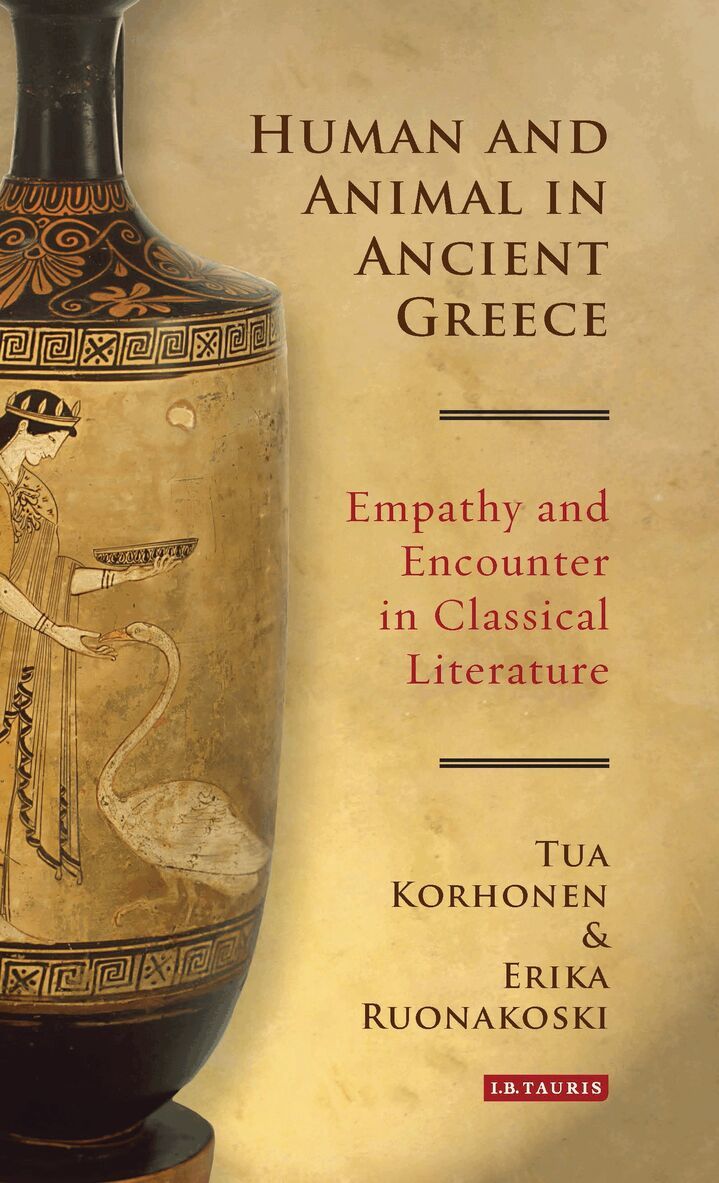
Animals were omnipresent in the everyday life and the visual arts of classical Greece. In literature, too, they had significant functions.This book discusses the role of animals - both domestic and wild - and mythological hybrid creatures in ancient Greek literature. Challenging the traditional view of the Greek anthropocentrism, the authors provide a nuanced interpretation of the classical relationship to animals. Through a close textual analysis, they highlight the emergence of the perspective of animals in Greek literature. Central to the book's enquiry is the question of empathy: investigating the ways in which ancient Greek authors invited their readers to empathise with non-human counterparts. The book presents case studies on the animal similes in the Iliad, the addresses to animals and nature in Sophocles' Philoctetes, the human-bird hybrids in The Birds by Aristophanes and the animal protagonists of Anyte's epigrams. Throughout, the authors develop an innovative methodology that combines philological and historical analysis with a philosophy of embodiment, or phenomenology of the body.Shedding new light on how animals were regarded in ancient Greek society, the book will be of interest to classicists, historians, philosophers, literary scholars and all those studying empathy and the human-animal relationship.
2 262 kr
Läs direkt efter köp
Animals were omnipresent in the everyday life and the visual arts of classical Greece. In literature, too, they had significant functions.This book discusses the role of animals - both domestic and wild - and mythological hybrid creatures in ancient Greek literature. Challenging the traditional view of the Greek anthropocentrism, the authors provide a nuanced interpretation of the classical relationship to animals. Through a close textual analysis, they highlight the emergence of the perspective of animals in Greek literature. Central to the book's enquiry is the question of empathy: investigating the ways in which ancient Greek authors invited their readers to empathise with non-human counterparts. The book presents case studies on the animal similes in the Iliad, the addresses to animals and nature in Sophocles' Philoctetes, the human-bird hybrids in The Birds by Aristophanes and the animal protagonists of Anyte's epigrams. Throughout, the authors develop an innovative methodology that combines philological and historical analysis with a philosophy of embodiment, or phenomenology of the body.Shedding new light on how animals were regarded in ancient Greek society, the book will be of interest to classicists, historians, philosophers, literary scholars and all those studying empathy and the human-animal relationship.
E-bok
PDF, Engelska, 20172 262 kr
Läs direkt efter köp
Animals were omnipresent in the everyday life and the visual arts of classical Greece. In literature, too, they had significant functions.This book discusses the role of animals - both domestic and wild - and mythological hybrid creatures in ancient Greek literature. Challenging the traditional view of the Greek anthropocentrism, the authors provide a nuanced interpretation of the classical relationship to animals. Through a close textual analysis, they highlight the emergence of the perspective of animals in Greek literature. Central to the book's enquiry is the question of empathy: investigating the ways in which ancient Greek authors invited their readers to empathise with non-human counterparts. The book presents case studies on the animal similes in the Iliad, the addresses to animals and nature in Sophocles' Philoctetes, the human-bird hybrids in The Birds by Aristophanes and the animal protagonists of Anyte's epigrams. Throughout, the authors develop an innovative methodology that combines philological and historical analysis with a philosophy of embodiment, or phenomenology of the body.Shedding new light on how animals were regarded in ancient Greek society, the book will be of interest to classicists, historians, philosophers, literary scholars and all those studying empathy and the human-animal relationship.
Häftad, Engelska, 2023
330 kr
Skickas inom 10-15 vardagar
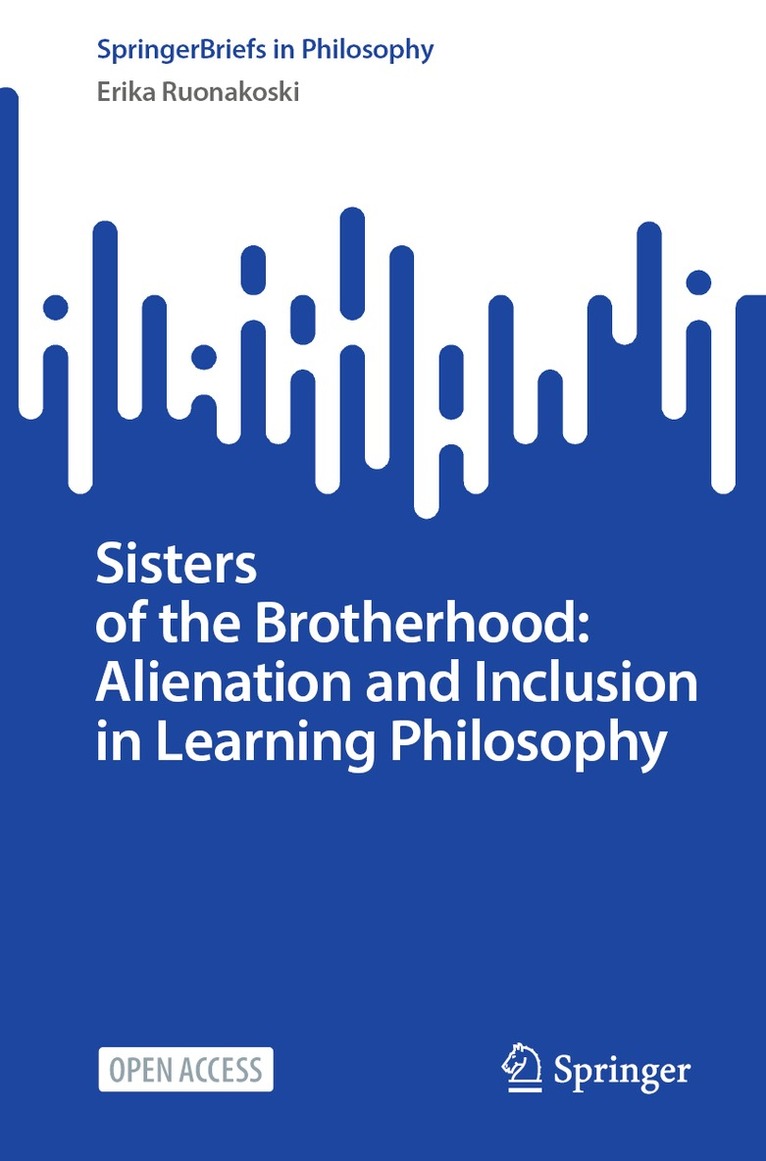
This open access book explores the gendered reality of learning philosophy at the university level, investigating the ways in which women and minority students become alienated from the social practices of a male-dominated field, and examining pedagogical solutions to this problem. It covers the roles and the interactions of the professor and student in the following ways: (1) the historical situation, (2) the affective, social and bodily situation, and (3) the moral situation.This text analyzes women’s passion for philosophy as a quest for truth, as well as their partial alienation from the social practices of philosophy. It demonstrates that recognition, generosity, and care are central ingredients of good learning and teaching experiences. Providing case studies of experimental courses in philosophy, the book discusses a variety of pedagogical approaches that might increase the inclusiveness of a philosophical education: novel and more gender-balanced ways of interpreting the history of philosophy, problem-based learning as a means of emancipating the student from the traditional master–disciple relationship, body awareness practices as a way of challenging the “disembodying” tendencies of philosophy, and a pluralism of methods to address the needs of different kinds of learners. Thanks to these features, the book is particularly useful for philosophy professors at the university level, but it also provides insights for all readers who feel puzzled about the persistent underrepresentation of women in philosophy.