Ernest B. Hook – författare
Visar alla böcker från författaren Ernest B. Hook. Handla med fri frakt och snabb leverans.
3 produkter
Prematurity in Scientific Discovery
On Resistance and Neglect
Inbunden, 2002
443 kr
Lägg i varukorg
For centuries, observers have noted the many obstacles to intellectual change in science. In a much-discussed paper published in "Scientific American" in 1972, molecular biologist Gunther Stent proposed an explicit criterion for one kind of obstacle to scientific discovery. He denoted a claim or …
Prematurity in Scientific Discovery
On Resistance and Neglect
E-bok, 2002
520 kr
Lägg i varukorg
For centuries, observers have noted the many obstacles to intellectual change in science. In a much-discussed paper published in Scientific American in 1972, molecular biologist Gunther Stent proposed an explicit criterion for one kind of obstacle to scientific discovery. He denoted a claim or …
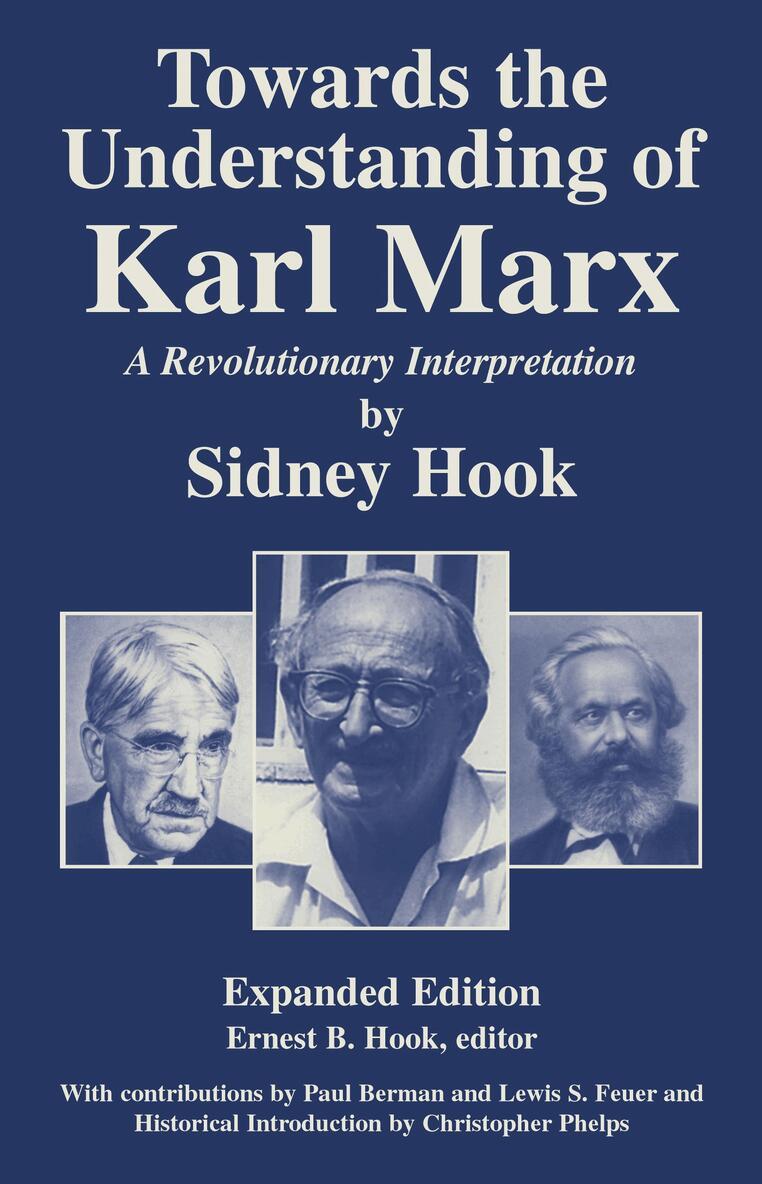
Towards the Understanding of Karl Marx
A Revolutionary Interpretation
Av Sidney Hook, Ernest B. Hook
Inbunden, 2002
434 kr
Lägg i varukorg
Published in 1933, at a time of widespread unemployment and bank failures, this book by the young Sidney Hook received great critical acclaim and established his reputation as a brilliant expositor of ideas. By "revolutionary interpretation" Hook meant quite literally that Marx's main objective was …