
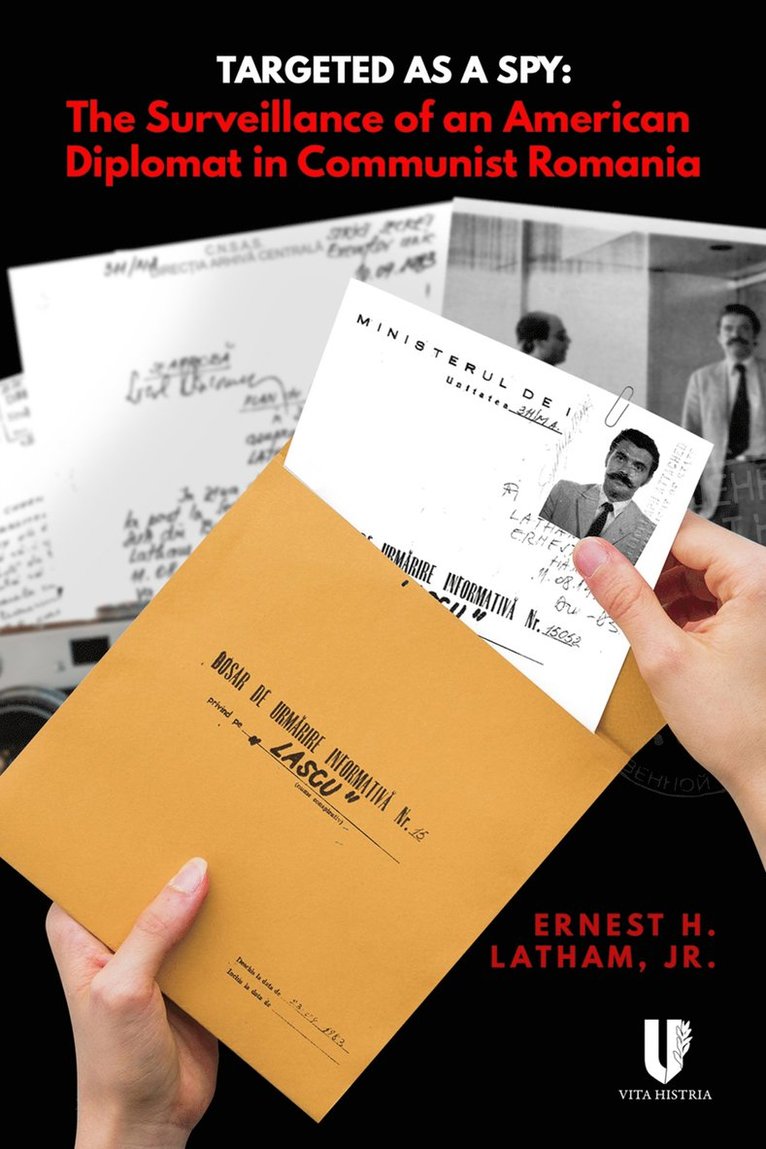
An often overlooked aspect of the Cold War was the extent of diplomatic espionage that went on in the countries behind the Iron Curtain. Every Western Diplomat stationed in Soviet-bloc countries was targeted as a spy by the security apparatus in the respective countries. With the opening of archives in Eastern Europe, the extent of this diplomatic espionage can be revealed for the first time.Ernest H. Latham, Jr. was a career foreign service officer who served the United States in various posts around the world. From 1983 to 1987, he served as cultural attaché at the American Embassy in Bucharest. During his time in Romania, Dr. Latham was targeted as a spy by the brutal Communist dictatorship of Nicolae Ceausescu and subjected to constant surveillance by the dreaded Securitate, Ceausescus secret police.This book is a collection of the surveillance reports that Dr. Latham was able to obtain from the Romanian archives following the collapse of the Communist regime. They reveal the extent of the surveillance to which Western diplomats were subjected and, more importantly, they reveal a great deal about the system and society that produced these materials.With an introduction by Ernest Latham, this book should be essential reading for students of the Cold War and for anyone interested in the mindset and functioning of totalitarian regimes in general.
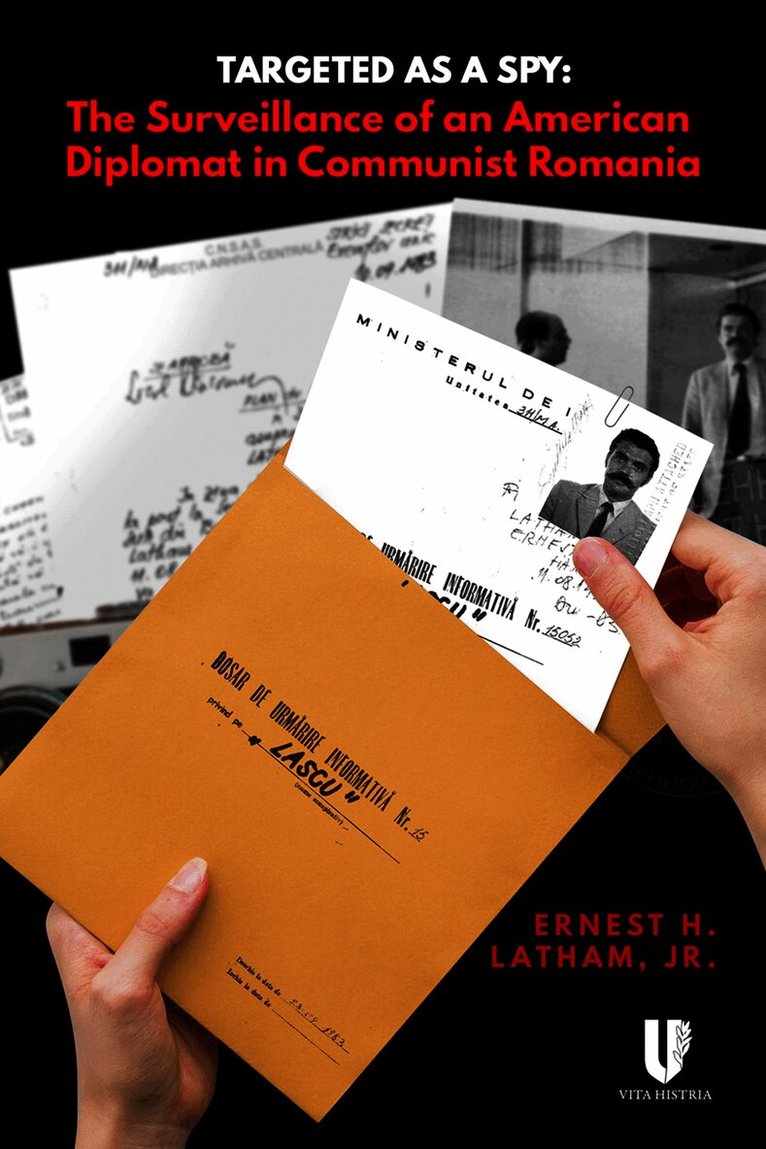
This book is a collection of surveillance reports that Dr. Latham obtained from the Romanian archives following the collapse of the Communist regime. They reveal the extent of the surveillance to which Western diplomats were subjected and, more importantly, they reveal a great deal about the system and society that conducted it. Lathams introduction provides the context of his work and Romanian conditions at that time. This book is essential reading for students of the Cold War as well as anyone interested in the mindset and methods of totalitarian regimes.
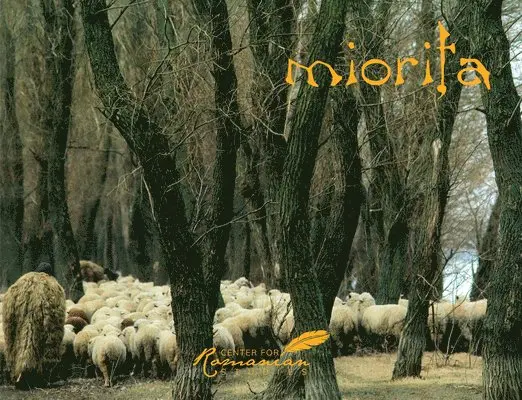
This book by words and photographs illustrates and explains the central role of the ballad Miorița in Romanian culture. By combining the insights of an American and a Romanian scholar with a vision of Romanian pastoral life developed by a leading American photographer, the reader is introduced to one of the most complicated and elusive cultural icons in European civilization. It is, however, one that continues to permeate Romanian culture and offers, to those who take the time to study it, an approach to life which will resonate closely with modern experience and understanding.This album benefits from two introductions, one by an American specialist in Romanian studies and one by a Romanian professor of Romanian literature, providing different perspectives on the Miorița, to ensure that the reader will understand why the ballad is central to Romanian consciousness and why its message is of great seriousness and insight for humanity in general.The photographer, Laurence Salzmann, made the photographs in 1981 while on a fellowship in Poiana Sibiului, a small village of transhumance shepherds in the Carpathian Mountains of Romania. Dr. Ernest Latham, who conceived of the exhibit as American cultural attaché in Bucharest in the 1980s, contributes an introduction which recounts his personal involvement with the Miorița, the exhibit, and the new English translation developed to caption the photographs. Alexandru Husar was a distinguished professor of Romanian literature at the University of Iași. He provides an introduction that guides the reader into the deeper meaning and importance of the Miorița.
An often overlooked aspect of the Cold War was the extent of diplomatic espionage that went on in the countries behind the Iron Curtain. Every Western Diplomat stationed in Soviet-bloc countries was targeted as a spy by the security apparatus in the respective countries. With the opening of archives in Eastern Europe, the extent of this diplomatic espionage can be revealed for the first time.Ernest H. Latham, Jr. was a career foreign service officer who served the United States in various posts around the world. From 1983 to 1987, he served as cultural attaché at the American Embassy in Bucharest. During his time in Romania, Dr. Latham was targeted as a spy by the brutal Communist dictatorship of Nicolae Ceausescu and subjected to constant surveillance by the dreaded Securitate, Ceausescus secret police.This book is a collection of the surveillance reports that Dr. Latham was able to obtain from the Romanian archives following the collapse of the Communist regime. They reveal the extent of the surveillance to which Western diplomats were subjected and, more importantly, they reveal a great deal about the system and society that produced these materials.With an introduction by Ernest Latham, this book should be essential reading for students of the Cold War and for anyone interested in the mindset and functioning of totalitarian regimes in general.
This book is a collection of surveillance reports that Dr. Latham obtained from the Romanian archives following the collapse of the Communist regime. They reveal the extent of the surveillance to which Western diplomats were subjected and, more importantly, they reveal a great deal about the system and society that conducted it. Lathams introduction provides the context of his work and Romanian conditions at that time. This book is essential reading for students of the Cold War as well as anyone interested in the mindset and methods of totalitarian regimes.
This book by words and photographs illustrates and explains the central role of the ballad Miorița in Romanian culture. By combining the insights of an American and a Romanian scholar with a vision of Romanian pastoral life developed by a leading American photographer, the reader is introduced to one of the most complicated and elusive cultural icons in European civilization. It is, however, one that continues to permeate Romanian culture and offers, to those who take the time to study it, an approach to life which will resonate closely with modern experience and understanding.This album benefits from two introductions, one by an American specialist in Romanian studies and one by a Romanian professor of Romanian literature, providing different perspectives on the Miorița, to ensure that the reader will understand why the ballad is central to Romanian consciousness and why its message is of great seriousness and insight for humanity in general.The photographer, Laurence Salzmann, made the photographs in 1981 while on a fellowship in Poiana Sibiului, a small village of transhumance shepherds in the Carpathian Mountains of Romania. Dr. Ernest Latham, who conceived of the exhibit as American cultural attaché in Bucharest in the 1980s, contributes an introduction which recounts his personal involvement with the Miorița, the exhibit, and the new English translation developed to caption the photographs. Alexandru Husar was a distinguished professor of Romanian literature at the University of Iași. He provides an introduction that guides the reader into the deeper meaning and importance of the Miorița.