Ernest Suarez - Böcker
Visar alla böcker från författaren Ernest Suarez. Handla med fri frakt och snabb leverans.
5 produkter
5 produkter
355 kr
Skickas inom 7-10 vardagar
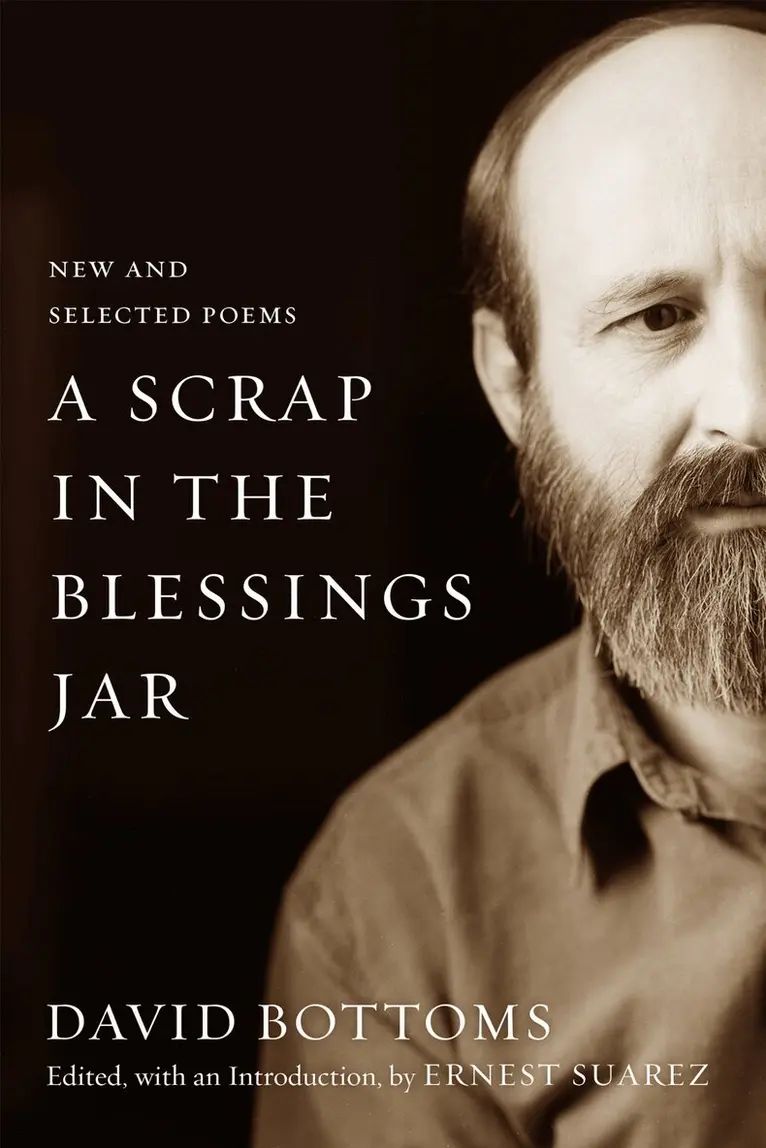
A Scrap in the Blessings Jar, a volume of new and selected poems by David Bottoms, captures the evolution of the poet's spiritual quest over the past fifty years. A native and longtime resident of Georgia, Bottoms draws inspiration from the American South, and his work examines themes related to family dynamics, the woods, animals, fishing, and music in an effort to, as he once told an interviewer, "reveal something about the hidden things of the world, the vague or shadowy relationships and connections that exist just below the surface of our daily lives." This book charts his progression from tightly wrought naturalistic narratives to works that reflect his shifting conception of the interplay between memory, the present, and the metaphysical. At heart, Bottoms remains a storyteller who employs figurative language to discover the extraordinary in the seemingly mundane, and whose poetry explores the depths of our existential condition and common humanity.
612 kr
Skickas inom 7-10 vardagar
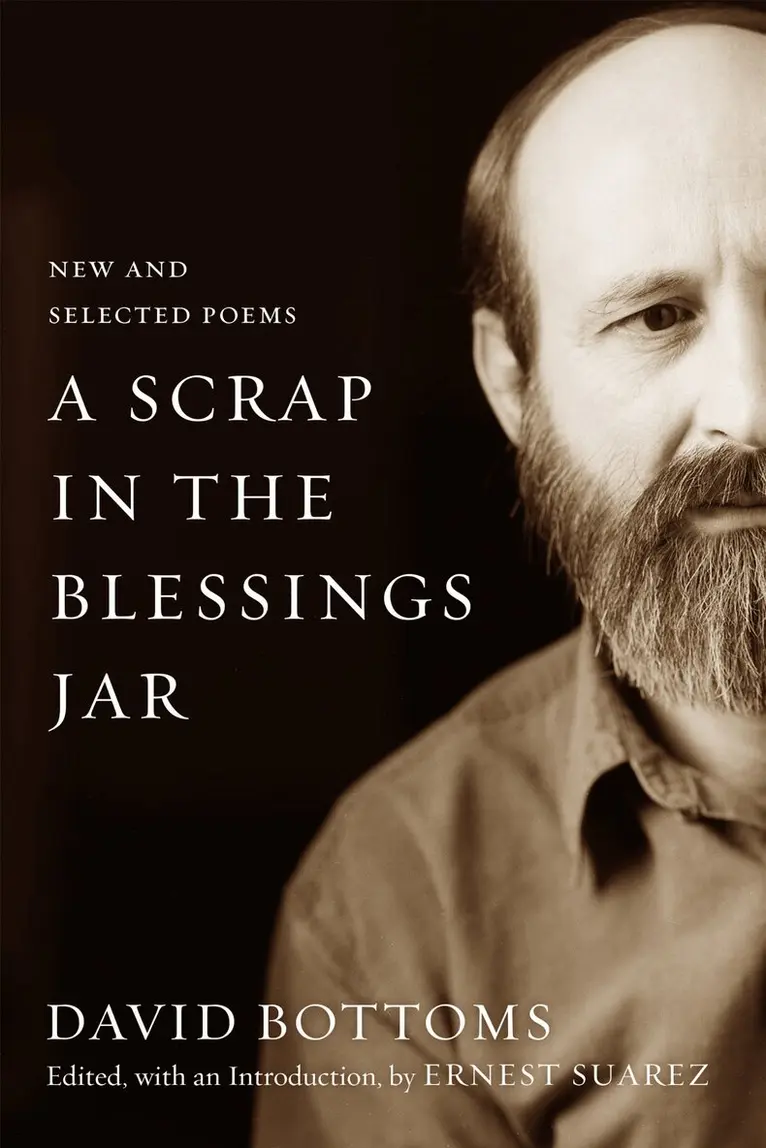
A Scrap in the Blessings Jar, a volume of new and selected poems by David Bottoms, captures the evolution of the poet's spiritual quest over the past fifty years. A native and longtime resident of Georgia, Bottoms draws inspiration from the American South, and his work examines themes related to family dynamics, the woods, animals, fishing, and music in an effort to, as he once told an interviewer, "reveal something about the hidden things of the world, the vague or shadowy relationships and connections that exist just below the surface of our daily lives." This book charts his progression from tightly wrought naturalistic narratives to works that reflect his shifting conception of the interplay between memory, the present, and the metaphysical. At heart, Bottoms remains a storyteller who employs figurative language to discover the extraordinary in the seemingly mundane, and whose poetry explores the depths of our existential condition and common humanity.
290 kr
Skickas inom 10-15 vardagar
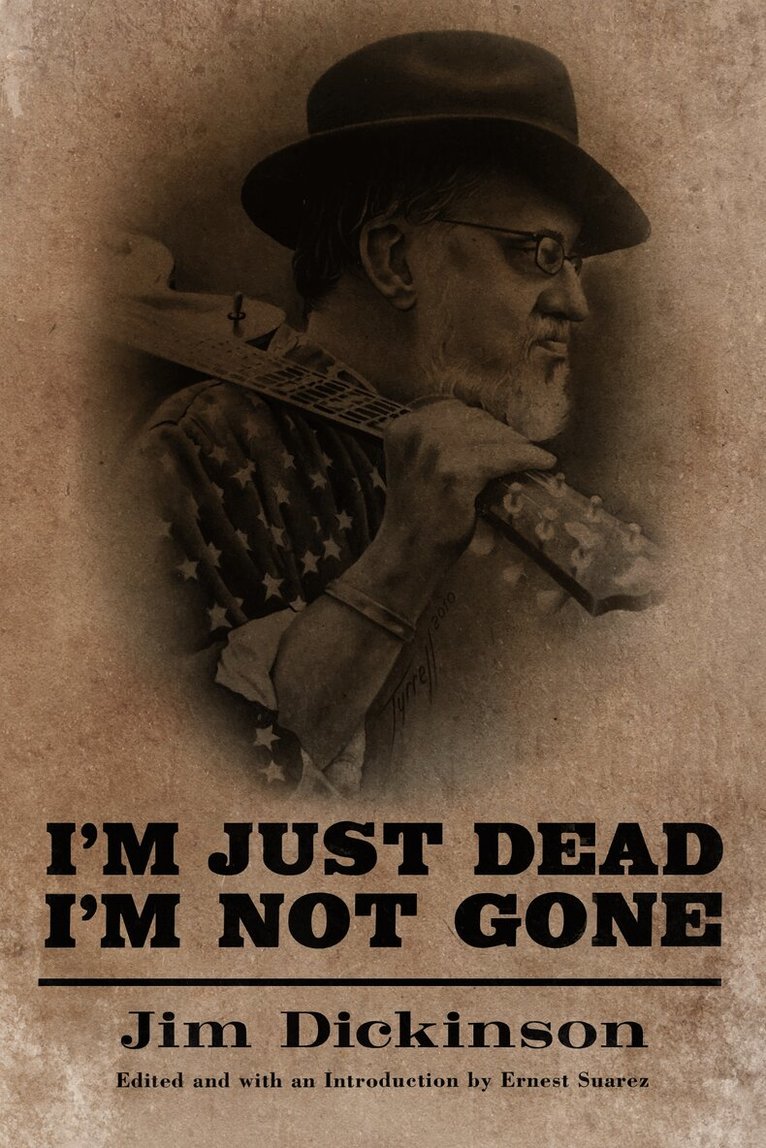
I’m Just Dead, I’m Not Gone chronicles Jim Dickinson’s extraordinary life in the Memphis music scene of the fifties and sixties and how he went on to play with and produce a rich array of artists, including Aretha Franklin, the Rolling Stones, Ry Cooder, Duane Allman, Arlo Guthrie, and Albert King. With verve and wit, Dickinson(1941–2009) describes how his trip to Blind Lemon’s grave on the Texas flatlands as a college student and how that encounter inspired his return to Memphis. Back home, he looked up Gus Cannon and Furry Lewis, began staging plays, cofounded what would become the annual Memphis Blues Festival, and started recording.The blues, Elvis, and early rock ’n’ roll compelled Dickinson to reject racial barriers and spurred his contributions to the Memphis music and experimental art scene. He explains how thefamily yardman, WDIA, Dewey Philips, Furry Lewis, Will Shade, and Howlin’ Wolf shaped him and recounts how he went on to learn his craft at Sun, Ardent, American, Muscle Shoals, and Criteria studios from master producers Sam Phillips, John Fry, Chips Moman, and Jerry Wexler.Dickinson is a member of the Mississippi Music Hall of Fame and an inaugural inductee of the Memphis Music Hall of Fame. He has received the Lifetime Achievement Award for Engineering and Production from the Americana Music Association, a Brass Note on the Beale Street Walk of Fame in Memphis, and a Heritage Marker on the Mississippi Blues Trail. This memoir recounts a love affairwith Memphis, the blues, and rock ’n’ roll through Dickinson’s captivating blend of intelligence, humor, and candor.
1 355 kr
Skickas inom 10-15 vardagar
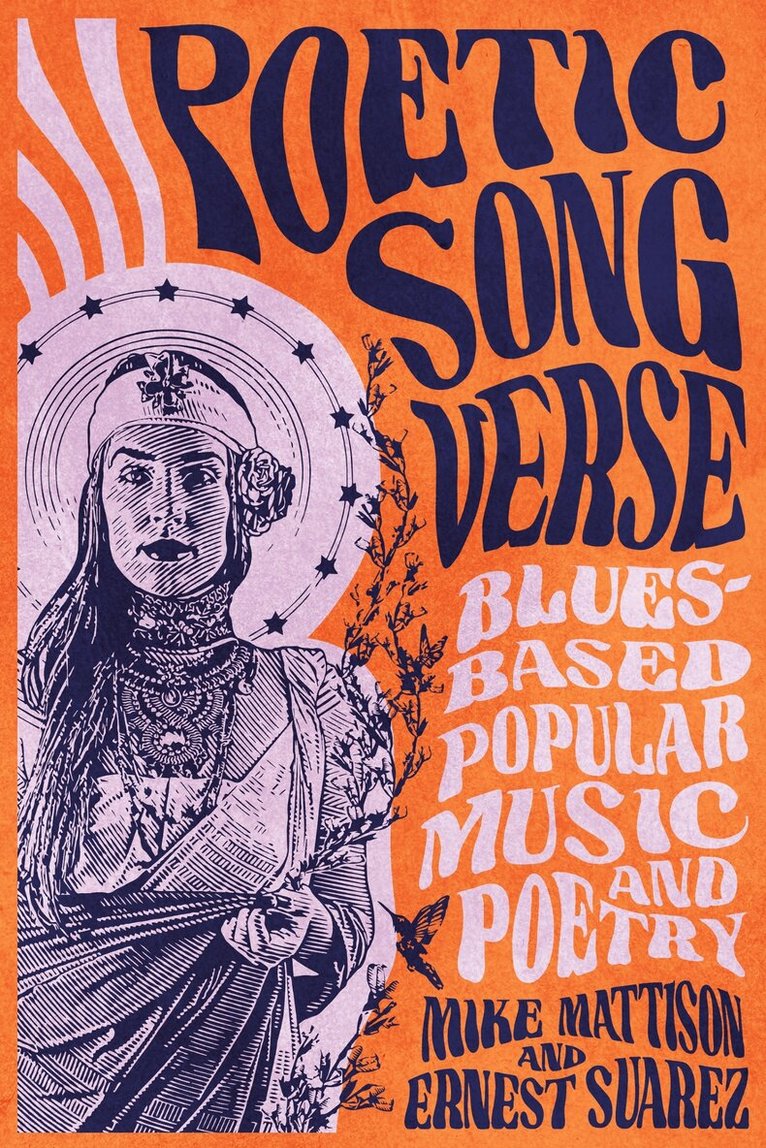
Poetic Song Verse: Blues-Based Popular Music and Poetry invokes and critiques the relationship between blues-based popular music and poetry in the twentieth and twenty-first centuries. The volume is anchored in music from the 1960s, when a concentration of artists transformed modes of popular music from entertainment to art-that-entertains. Musician Mike Mattison and literary historian Ernest Suarez synthesize a wide range of writing about blues and rock—biographies, histories, articles in popular magazines, personal reminiscences, and a selective smattering of academic studies—to examine the development of a relatively new literary genre dubbed by the authors as "poetic song verse." They argue that poetic song verse was nurtured in the fifties and early sixties by the blues and in Beat coffee houses, and matured in the mid-to-late sixties in the art of Bob Dylan, the Beatles, the Rolling Stones, the Doors, Jimi Hendrix, Joni Mitchell, Leonard Cohen, Gil Scott-Heron, Van Morrison, and others who used voice, instrumentation, arrangement, and production to foreground semantically textured, often allusive, and evocative lyrics that resembled and engaged poetry.Among the questions asked in Poetic Song Verse are: What, exactly, is this new genre? What were its origins? And how has it developed? How do we study and assess it? To answer these questions, Mattison and Suarez engage in an extended discussion of the roots of the relationship between blues-based music and poetry and address how it developed into a distinct literary genre. Unlocking the combination of richly textured lyrics wedded to recorded music reveals a dynamism at the core of poetic song verse that can often go unrealized in what often has been considered merely popular entertainment. This volume balances historical details and analysis of particular songs with accessibility to create a lively, intelligent, and cohesive narrative that provides scholars, teachers, students, music influencers, and devoted fans with an overarching perspective on the poetic power and blues roots of this new literary genre.
421 kr
Skickas inom 10-15 vardagar
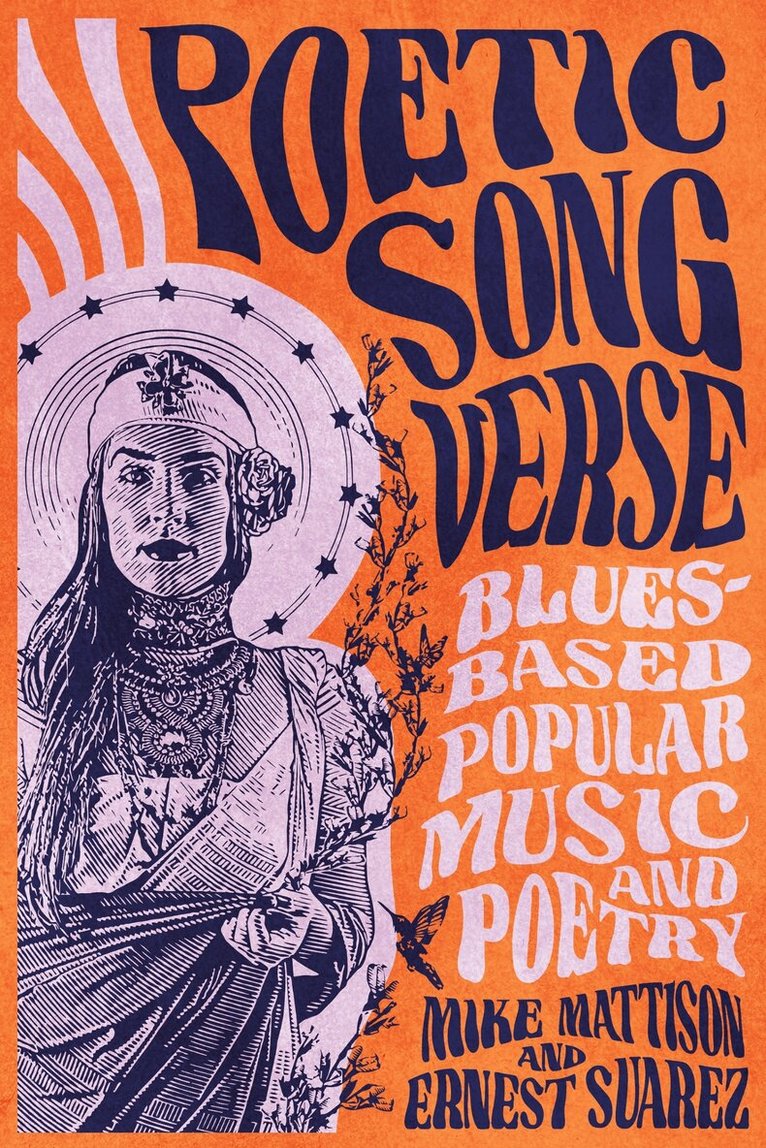
Poetic Song Verse: Blues-Based Popular Music and Poetry invokes and critiques the relationship between blues-based popular music and poetry in the twentieth and twenty-first centuries. The volume is anchored in music from the 1960s, when a concentration of artists transformed modes of popular music from entertainment to art-that-entertains. Musician Mike Mattison and literary historian Ernest Suarez synthesize a wide range of writing about blues and rock—biographies, histories, articles in popular magazines, personal reminiscences, and a selective smattering of academic studies—to examine the development of a relatively new literary genre dubbed by the authors as "poetic song verse." They argue that poetic song verse was nurtured in the fifties and early sixties by the blues and in Beat coffee houses, and matured in the mid-to-late sixties in the art of Bob Dylan, the Beatles, the Rolling Stones, the Doors, Jimi Hendrix, Joni Mitchell, Leonard Cohen, Gil Scott-Heron, Van Morrison, and others who used voice, instrumentation, arrangement, and production to foreground semantically textured, often allusive, and evocative lyrics that resembled and engaged poetry.Among the questions asked in Poetic Song Verse are: What, exactly, is this new genre? What were its origins? And how has it developed? How do we study and assess it? To answer these questions, Mattison and Suarez engage in an extended discussion of the roots of the relationship between blues-based music and poetry and address how it developed into a distinct literary genre. Unlocking the combination of richly textured lyrics wedded to recorded music reveals a dynamism at the core of poetic song verse that can often go unrealized in what often has been considered merely popular entertainment. This volume balances historical details and analysis of particular songs with accessibility to create a lively, intelligent, and cohesive narrative that provides scholars, teachers, students, music influencers, and devoted fans with an overarching perspective on the poetic power and blues roots of this new literary genre.