Erol K. Yayboke – författare
Visar alla böcker från författaren Erol K. Yayboke. Handla med fri frakt och snabb leverans.
5 produkter
Innovation-Led Economic Growth
Transforming Tomorrow’s Developing Economies Through Technology and Innovation
Av Charles F. Rice, Erol K. Yayboke
E-bok, 2017
548 kr
Lägg i varukorg
Innovation and technology are increasingly at the heart of economic growth around the world and will be crucial tools for addressing emerging issues such as global urbanization and growing demand for food, energy, and water. In this report, CSIS and RTI International assess the challenges and …
Harnessing the Data Revolution to Achieve the Sustainable Development Goals
Enabling Frogs to Leap
E-bok, 2017
667 kr
Lägg i varukorg
Before launching its second round of global goals—the Sustainable Development Goals (SDGs)—the United Nations convened a High-Level Panel of Eminent Persons on the Post-2015 Development Agenda. As part of its final report, the Panel called for a “data revolution” and recommended the formation of an …
Rethinking Taxes and Development
Incorporating Political Economy Considerations in Drm Strategies
Av Erol K. Yayboke, Conor Savoy m. fl.
E-bok, 2019
594 kr
Lägg i varukorg
This report from the CSIS Project on Prosperity and Development looks at the domestic resource mobilization (DRM) reforms in developing countries through a political economy lens. As countries mobilize more resources to fund their governments and services, they can think more strategically about …
Sharpening Our Efforts
The Role of International Development in Countering Violent Extremism
E-bok, 2019
594 kr
Lägg i varukorg
As policymakers confront the ongoing challenge of radicalization and violent extremism, it is important that stakeholders and counterterrorism strategists recognize the critical role for development and other non-kinetic approaches to counter violent extremism. To that end, this new anthology takes …
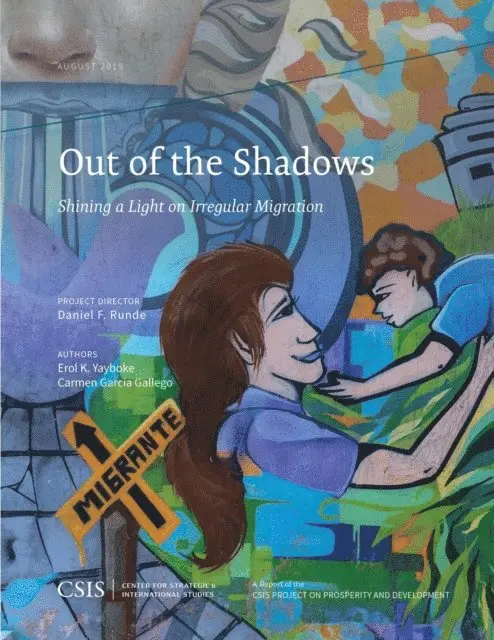
Out of the Shadows
Shining a Light on Irregular Migration
Av Erol K. Yayboke, Carmen Garcia Gallego
E-bok, 2019
607 kr
Lägg i varukorg
Millions of people around the world live in and travel through the shadows. Compelled to leave home, they migrate irregularly without proper documentation to gain access to jobs, education, healthcare, food, and other essential services. Irregular migration exists because there are not enough …