Ersel Aydinli – författare
Visar alla böcker från författaren Ersel Aydinli. Handla med fri frakt och snabb leverans.
14 produkter
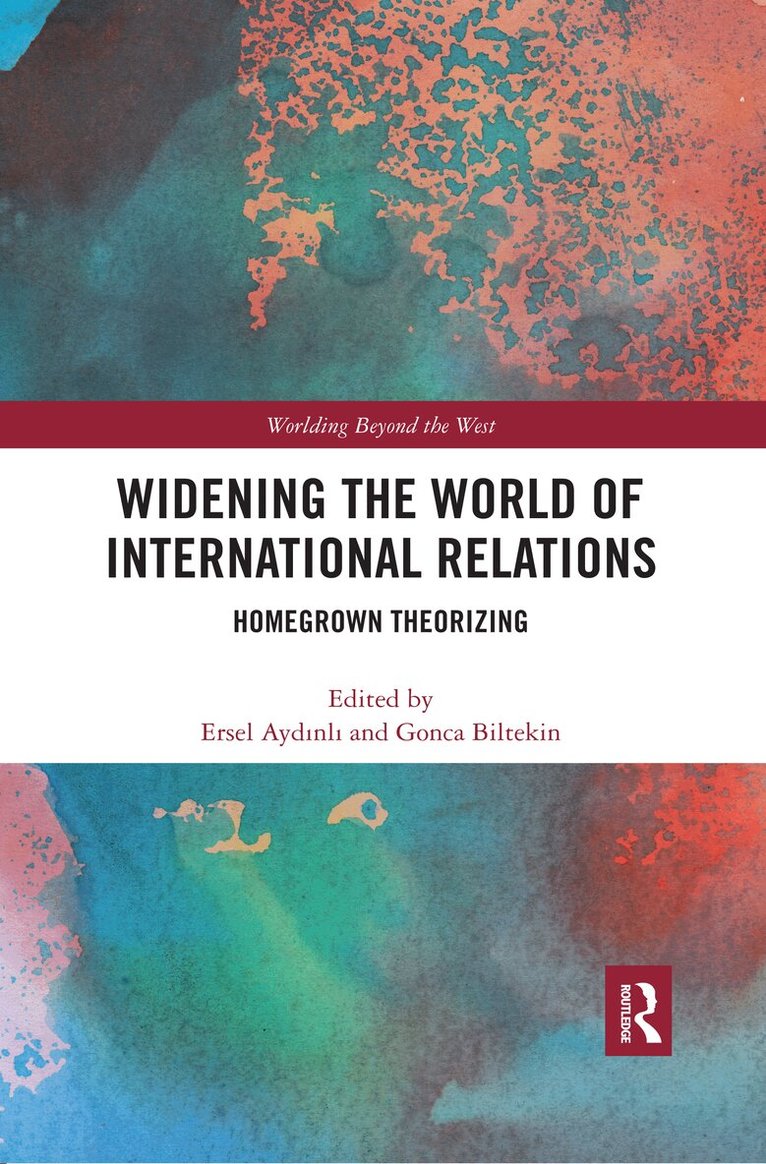
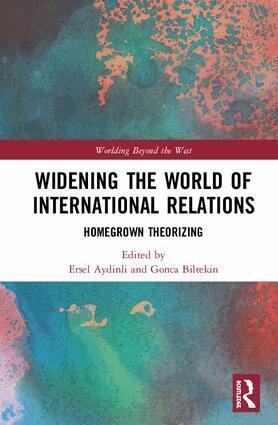
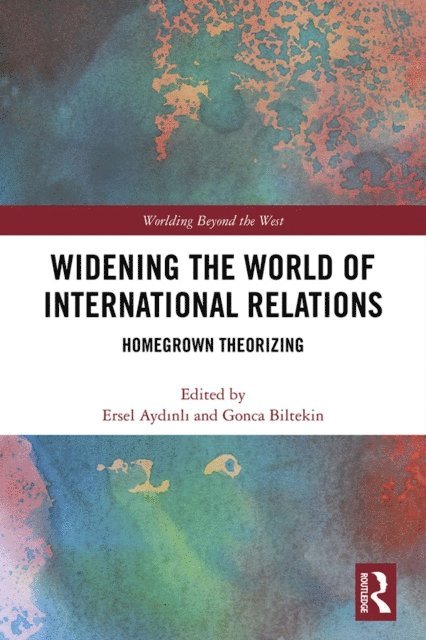
Widening the World of International Relations
Homegrown Theorizing
Av Ersel Aydinli, Gonca Biltekin
Häftad, 2020
720 kr
Lägg i varukorg
Current international relations (IR) theories and approaches, which are almost exclusively built in the West, are alien to the non-Western contexts that engender the most hard-pressing problems of the world and ultimately unhelpful in understanding or addressing the needs surrounding these issues. …
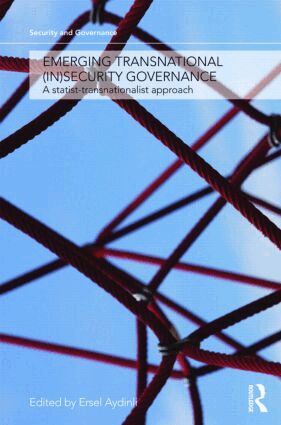
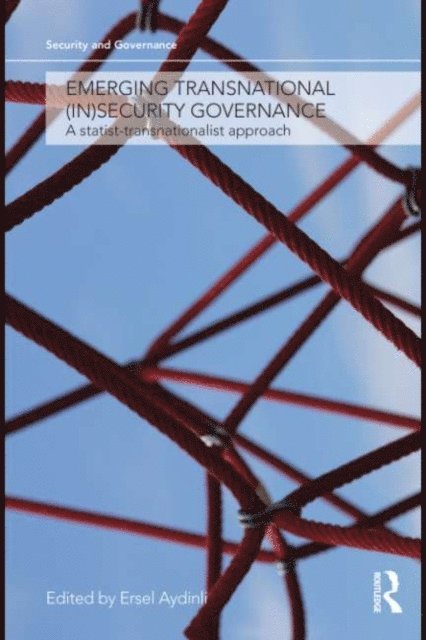
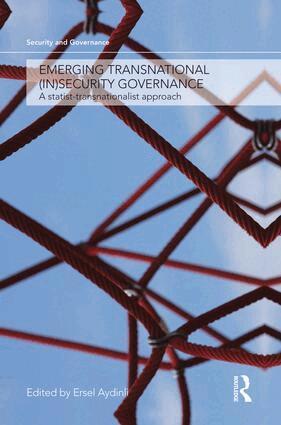
Emerging Transnational (In)security Governance
A Statist-Transnationalist Approach
Inbunden, 2010
2476 kr
Lägg i varukorg
This book presents a selection of edited essays written by leading international scholars engaging with practicing intelligence, military, and police officers and responding to their first-hand international security cooperation experiences. The resulting chapters provide original theoretical …
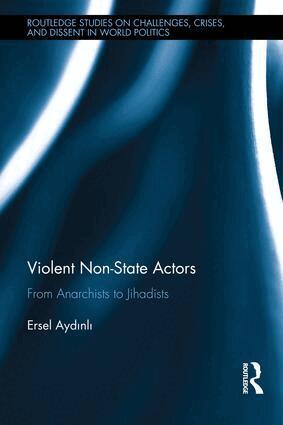
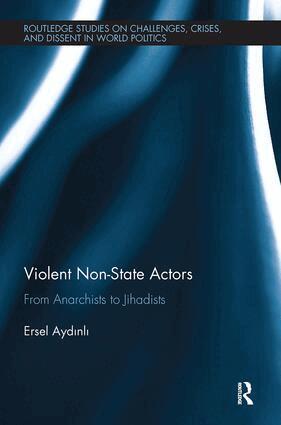
Violent Non-State Actors
From Anarchists to Jihadists
Inbunden, 2016
2512 kr
Lägg i varukorg
Given the importance of violent non-state actors (VNSA) and their evolving role in global politics, dynamic frameworks of analysis are needed both to trace historical trajectories in the evolution of violent non-state actorness and to identify emerging patterns by examining modern day cases.This …
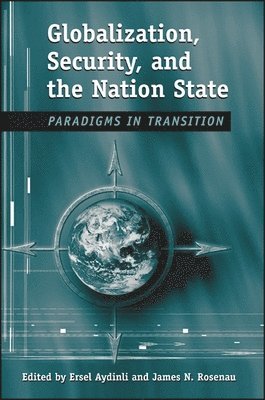
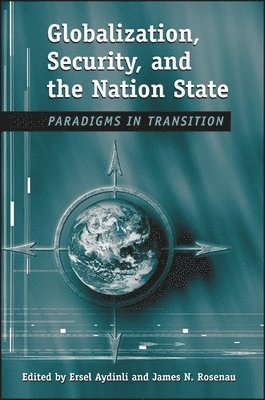
Globalization, Security, and the Nation State
Paradigms in Transition
Av Ersel Aydinli, James N. Rosenau
Häftad, 2006
463 kr
Lägg i varukorg
Explores the impact of globalization on the conduct of international affairs.This volume studies the links among the concepts of globalization, security, and the authority of the nation state, drawing attention to why and how these three concepts are interrelated and why they should be studied …
Emerging Transnational (In)security Governance
A Statist-Transnationalist Approach
E-bok, 2010
795 kr
Lägg i varukorg
This book presents a selection of edited essays written by leading international scholars engaging with practicing intelligence, military, and police officers and responding to their first-hand international security cooperation experiences. The resulting chapters provide original theoretical …
Emerging Transnational (In)security Governance
A Statist-Transnationalist Approach
E-bok, 2010
813 kr
Lägg i varukorg
This book presents a selection of edited essays written by leading international scholars engaging with practicing intelligence, military, and police officers and responding to their first-hand international security cooperation experiences. The resulting chapters provide original theoretical …
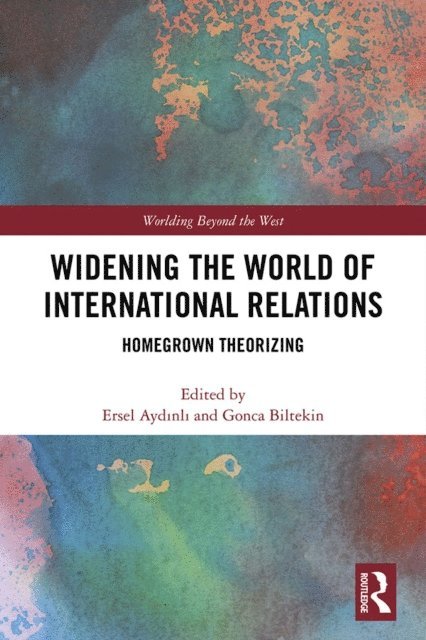
Widening the World of International Relations
Homegrown Theorizing
Av Ersel Aydinli, Gonca Biltekin
Inbunden, 2018
2520 kr
Lägg i varukorg
Current international relations (IR) theories and approaches, which are almost exclusively built in the West, are alien to the non-Western contexts that engender the most hard-pressing problems of the world and ultimately unhelpful in understanding or addressing the needs surrounding these issues. …
Violent Non-State Actors
From Anarchists to Jihadists
Häftad, 2018
752 kr
Lägg i varukorg
Given the importance of violent non-state actors (VNSA) and their evolving role in global politics, dynamic frameworks of analysis are needed both to trace historical trajectories in the evolution of violent non-state actorness and to identify emerging patterns by examining modern day cases. This …
Emerging Transnational (In)security Governance
A Statist-Transnationalist Approach
Häftad, 2015
731 kr
Lägg i varukorg
This book presents a selection of edited essays written by leading international scholars engaging with practicing intelligence, military, and police officers and responding to their first-hand international security cooperation experiences. The resulting chapters provide original theoretical …
Violent Non-State Actors
From Anarchists to Jihadists
E-bok, 2016
864 kr
Lägg i varukorg
Given the importance of violent non-state actors (VNSA) and their evolving role in global politics, dynamic frameworks of analysis are needed both to trace historical trajectories in the evolution of violent non-state actorness and to identify emerging patterns by examining modern day cases. This …
Violent Non-State Actors
From Anarchists to Jihadists
E-bok, 2016
883 kr
Lägg i varukorg
Given the importance of violent non-state actors (VNSA) and their evolving role in global politics, dynamic frameworks of analysis are needed both to trace historical trajectories in the evolution of violent non-state actorness and to identify emerging patterns by examining modern day cases. This …
Widening the World of International Relations
Homegrown Theorizing
Av Gonca Biltekin, Ersel Aydinli
E-bok, 2018
830 kr
Lägg i varukorg
Current international relations (IR) theories and approaches, which are almost exclusively built in the West, are alien to the non-Western contexts that engender the most hard-pressing problems of the world and ultimately unhelpful in understanding or addressing the needs surrounding these issues. …
Widening the World of International Relations
Homegrown Theorizing
Av Gonca Biltekin, Ersel Aydinli
E-bok, 2018
849 kr
Lägg i varukorg
Current international relations (IR) theories and approaches, which are almost exclusively built in the West, are alien to the non-Western contexts that engender the most hard-pressing problems of the world and ultimately unhelpful in understanding or addressing the needs surrounding these issues. …
Globalization, Security, and the Nation State
Paradigms in Transition
Av Ersel Aydinli, James N. Rosenau
Inbunden, 2005
1111 kr
Tillfälligt slut
Explores the impact of globalization on the conduct of international affairs.This volume studies the links among the concepts of globalization, security, and the authority of the nation state, drawing attention to why and how these three concepts are interrelated and why they should be studied …