Esin Orucu – författare
Visar alla böcker från författaren Esin Orucu. Handla med fri frakt och snabb leverans.
5 produkter
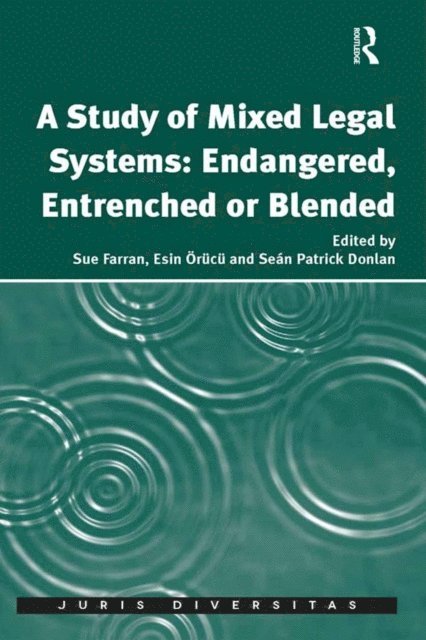
Study of Mixed Legal Systems: Endangered, Entrenched or Blended
Av Esin Orucu, Sue Farran
E-bok, 2016
988 kr
Lägg i varukorg
A Study of Mixed Legal Systems: Endangered, Entrenched, or Blended takes the reader on a fascinating voyage of discovery. It includes case studies of a number of systems from across the globe: Cyprus, Guyana, Jersey, Mauritius, Philippines, Quebec, St Lucia, Scotland, and Seychelles. Each combines …
Study of Mixed Legal Systems: Endangered, Entrenched or Blended
Av Esin Orucu, Sue Farran
E-bok, 2016
967 kr
Lägg i varukorg
A Study of Mixed Legal Systems: Endangered, Entrenched, or Blended takes the reader on a fascinating voyage of discovery. It includes case studies of a number of systems from across the globe: Cyprus, Guyana, Jersey, Mauritius, Philippines, Quebec, St Lucia, Scotland, and Seychelles. Each combines …
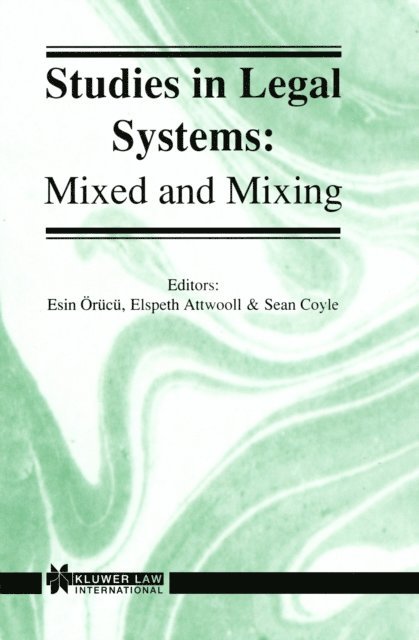
Studies in Legal Systems: Mixed and Mixing
Mixed and Mixing
Av Elspeth Attwooll, Esin Orucu
E-bok, 1996
3045 kr
Lägg i varukorg
All legal systems are mixed; some more than others. There are covert mixtures, overt mixtures, stable mixtures, ones in transition. This book brings together a wide range of legal orders, some well known, some not so often studied. Eighteen legal orders are covered by experts directly acquainted …
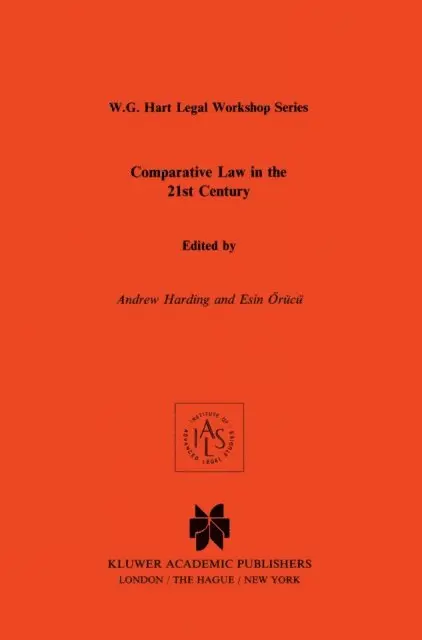
Comparative Law in the 21st Century
E-bok, 2002
2598 kr
Lägg i varukorg
As society becomes more global and multicultural, many lawyers find themselves researching and applying principles and rules from several legal traditions. In Europe especially, the gradual convergence of civil law and common law that has been under way for decades is now gaining depth and breadth …
Enigma of Comparative Law
Variations on a Theme for the Twenty-first Century
Av Esin Orucu
E-bok, 2013
675 kr
Lägg i varukorg