Esra Galun - Böcker
Visar alla böcker från författaren Esra Galun. Handla med fri frakt och snabb leverans.
9 produkter
9 produkter
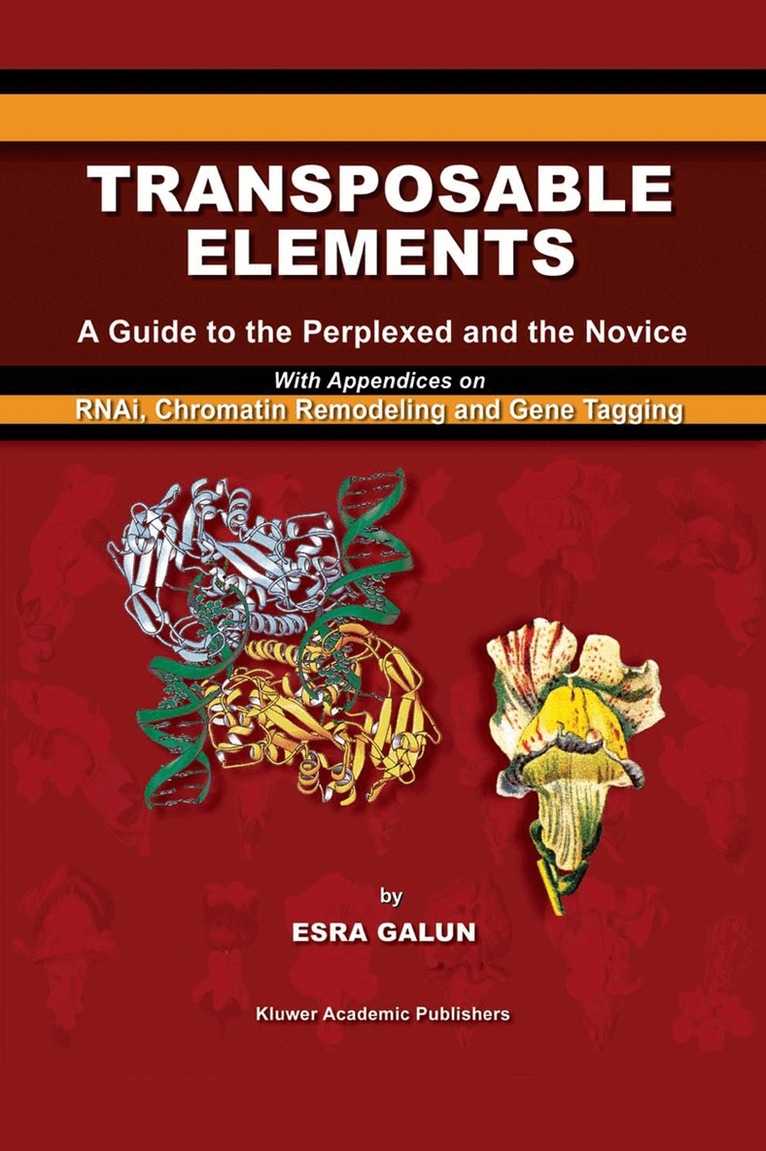
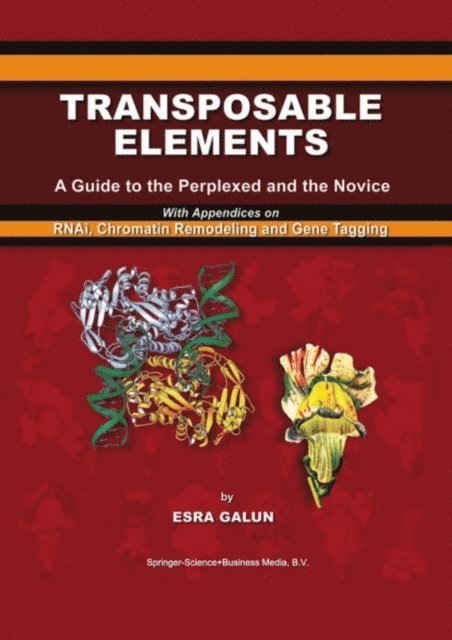
Transposable Elements
A Guide to the Perplexed and the Novice With Appendices on RNAi, Chromatin Remodeling and Gene Tagging
Inbunden, Engelska, 2003
1 588 kr
Skickas inom 10-15 vardagar
Studies during the first half of the 20th century indicated that genes are entities that are located on fixed sites along the chromosomes. Then, due to the research of Barbara McClintock, mobile genetic elements were revealed in maize. While this discovery was initially regarded as a peculiarity, further studies revealed a completely different picture. It has become clear that transposable elements (or elements that had the capability to be mobile in the past) exist in all organisms. These elements can change location and severely affect genes. In many organisms they even constitute the majority of the genetic material. There are two major classes of transposable elements. Class I elements that are mobilized with an RNA intermediate (retrotransposons), and class II elements that lack such an intermediate. This book provides a historical background and fully describes all known transposable elements, the modes of their transposition and the utilization of these elements in medicine, genetics, and crop improvement. It is targeted at a wide-range of readers and can be comprehended also by the novice in this field.
1 238 kr
Tillfälligt slut
This book comes with an Appendix on Intellectual Properties and Commercialisation of Transgenic Plants by John Barton (Stanford University Law School)This timely and important book presents the essence of transgenic plant production. This activity is being pursued by many investigators and interesting results are rapidly accumulating. The basic methodologies have been developed and the transformation of additional plant species is more an “engineering”/biotechnology problem than a matter of developing new scientific concepts. This book reviews the available methodologies and devotes chapters to transgenic plants that were produced for crop improvement and for yielding valuable products. Also, information is provided on the ability to regulate the expression of alien genes in specific organs and in response to defined effectors and environmental conditions. Finally, transgenic plants may have commercial value, therefore the issues of intellectual property and other aspects of commercialisation are handled in a special appendix.In addition to providing a comprehensive overview of transgenic plant production for investigators engaged in a specific niche of this endeavour, this book will be of interest to all students of plant biology and to those who consider producing transgenic plants in the future. Plant breeders and commercial companies engaged in seed production will definitely benefit from this book.
2 074 kr
Tillfälligt slut
In the mid-eighties, there was a revolution in plant biotechnology. Simple procedures could be used to genetically transform plants. Such transgenic plants will express alien genes, virtually from any organism, provided the genes are flanked by appropriate controlling elements. Soon after this biotechnology became available, there was an awareness that crop plants can serve as manufacturers of high-value medical products. This book provides the molecular and biotechnological background for genetic transformation in plants, as well as updated information about the production of antibodies, antigens and other medical and health products by transgenic plants. The book handles the relevant information in a critical manner by pointing out the risks and problems as well as presenting the outlook for development in this field. It provides a comprehensive and well-balanced treatment of its theme.
1 453 kr
Tillfälligt slut
In the mid-eighties, there was a revolution in plant biotechnology. Simple procedures could be used to genetically transform plants. Such transgenic plants will express alien genes, virtually from any organism, provided the genes are flanked by appropriate controlling elements. Soon after this biotechnology became available, there was an awareness that crop plants can serve as manufacturers of high-value medical products. This book provides the molecular and biotechnological background for genetic transformation in plants, as well as updated information about the production of antibodies, antigens and other medical and health products by transgenic plants. The book handles the relevant information in a critical manner by pointing out the risks and problems as well as presenting the outlook for development in this field. It provides a comprehensive and well-balanced treatment of its theme.
1 061 kr
Skickas inom 10-15 vardagar
view than its own proper males should fecundate each blossom." ANDREW KNIGHT Philosophical Transactions, 1799 Pollination mechanisms and reproduction have a decisive bearing upon rational procedures in plant breeding and crop production. This book intends to furnish' under one cover an integrated botanical, genetical and breeding-methodologi cal treatment of the reproductive biology of spermatophytes mainly angiosperms; it is based on an advanced topical course in plant breeding taught at the Hebrew University of Jerusa lem. We have tried to present a coverage which is concise, but as comprehensive as possible, of the pollination mechanism and modes of reproduction of higher plants, and to illustrate topics, whenever practicable, by examples from cultivated plants. Nevertheless, some relevant publications may have escaped our attention or may not be mentioned because of various limitations. The book is organized into three parts. The first part starts with an evaluation of the significance of the different pollination mechanisms for plant breeding and crop produc tion, describes modes of reproduction in higher plants and discusses ecology and dynamics of pollination. The second part is devoted to crops propagated by self pollination and describes specific breeding procedures for such crops. The third part details sexual reproduction in higher plants and handles three mechanisms involved in the prevention of self pollination and their utilization in plant breeding: sex expres sion, incompatibility, and male sterility.
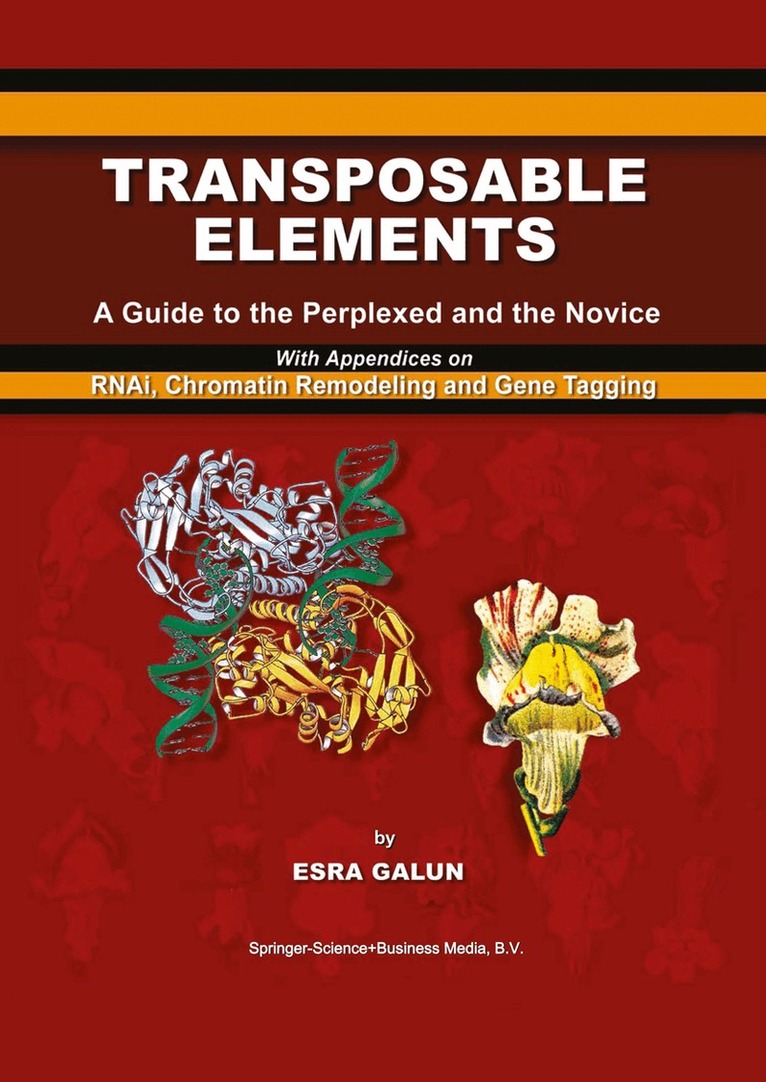
Transposable Elements
A Guide to the Perplexed and the Novice With Appendices on RNAi, Chromatin Remodeling and Gene Tagging
Häftad, Engelska, 2010
1 588 kr
Skickas inom 10-15 vardagar
There are two major classes of Transposable Elements: Class I elements that are mobilized with an RNA intermediate (retrotransposons), and Class II elements that lack such an intermediate. This book provides a historical background and fully describes all known transposable elements, the modes of their transposition and the utilization of these elements in medicine, genetics, and crop improvement. It is the only text that is targeted at a wide range of readers and can be comprehended also by the novice in this field.
1 498 kr
Tillfälligt slut
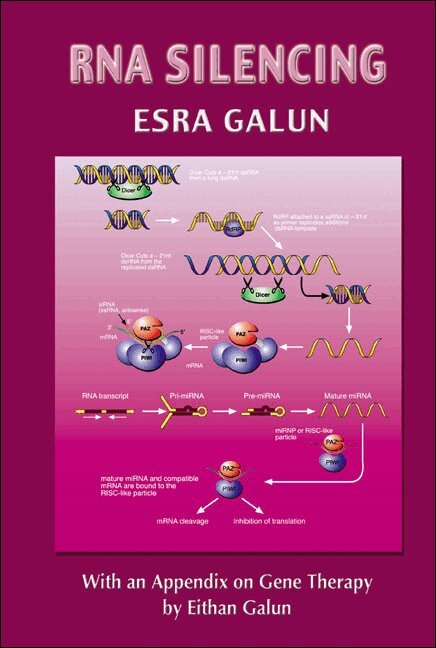
This book focuses on an emerging, central issue in molecular genetics and the development of eukaryotes: the control of gene expression by small species of RNA. As an exciting new field of endeavor, it is the first book by a single author to deal comprehensively with RNA silencing.The book provides the historical background of the field preceding the seminal work by Fire and associates in 1998 on the impact of small double-stranded RNA on the expression of nematode genes, which is considered the beginning of RNA silencing research. RNA silencing is described in a wide range of plants and animals including protozoa, simple metazoa, insects, non-mammalian vertebrates, and mammals. In each case the experimental results are provided with the accompanying background and with illustrations. There is also an appendix on the prospective use of RNA silencing in gene therapy, which is intended as a guide for investigators wishing to explore this possibility.
2 772 kr
Skickas inom 5-8 vardagar
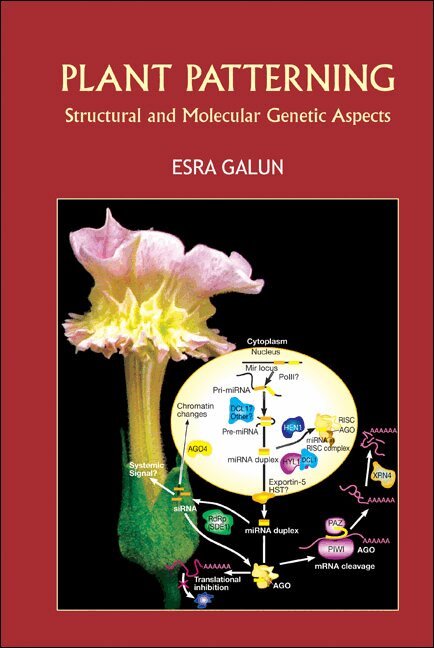
This book provides a fascinating account of the accumulated knowledge of the mechanisms by which plants regulate their patterning. This is an exciting subject based on a novel endeavor, not least due to the rapid progress made in recent years in the diverse fields of genetics, molecular biology, microscopy, inter- and intracellular signaling, as well as our intimate knowledge of model plants (such as Arabidopsis).This book is unique in that it provides, in one volume, comprehensive information on all the main organs of flowering plants. There is no other book similar to this, written by a single author, that has been published in the last 10 years.The book contains updated information on the differentiation of the plant organs with respect to structure and molecular genetics, and the methodologies employed to investigate plant patterning are described in detail. Extensively illustrated with numerous figures, many of which are in color, the book will appeal to three main groups of readers: novices interested in plant patterning; plant biologists requiring a comprehensive understanding of differentiation in flowering plants; and graduate students in advanced courses.
1 207 kr
Skickas inom 5-8 vardagar
Written by an experienced researcher in the field, Phytohormones and Patterning provides the most up-to-date and comprehensive information on the processes involved in the patterning of plant organs and tissues, as well as the role of phytohormones in organ development. It also provides an account of the molecular-genetic bases of plant architecture, with several hundred references included to facilitate easier literature search of this important field.Although plant patterning and plant hormones are very active fields of endeavor, there are limited reviews focussing on specific topics such as root patterning and short apex differentiation. This book, which deals with the subject matter extensively, will provide a much needed comprehensive discussion on the entire scope of plant patterning, and the impact of phytohormones on patterning, which was otherwise missing.Students studying plant development will benefit greatly from the book, as will undergraduates in agricultural studies, and those studying plant genetics and plant breeding. As the book covers a wide range of topics, it will also be useful for researchers who may be interested in possible new fields, and to readers who may not be experts but who are interested to enhance their knowledge of plant development.