Esther Mukewa Lisanza – författare
Visar alla böcker från författaren Esther Mukewa Lisanza. Handla med fri frakt och snabb leverans.
11 produkter
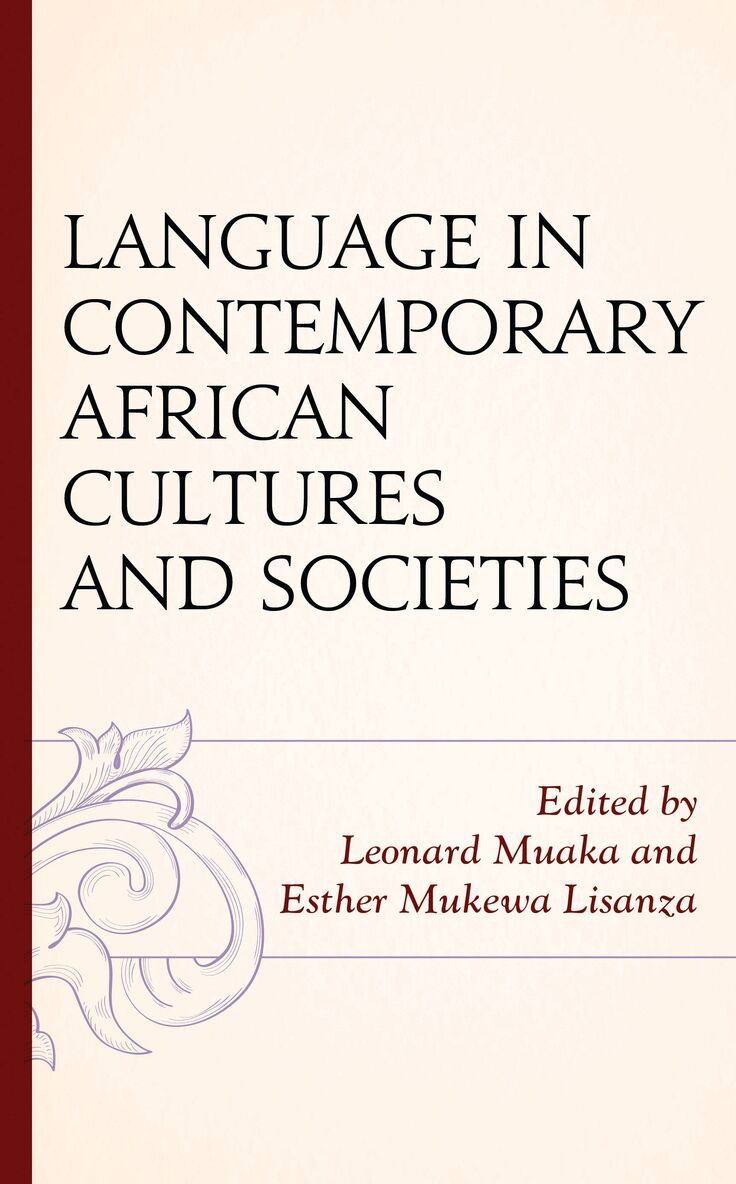
Language in Contemporary African Cultures and Societies
Av Leonard Muaka, Esther Mukewa Lisanza
Inbunden, 2018
1275 kr
Lägg i varukorg
Language in Contemporary African Cultures and Societies examines language in contemporary Africa by positioning language at the center of interrelationships between individuals, society, and culture. Because of how language permeates every aspect of human existence within each society, this book …
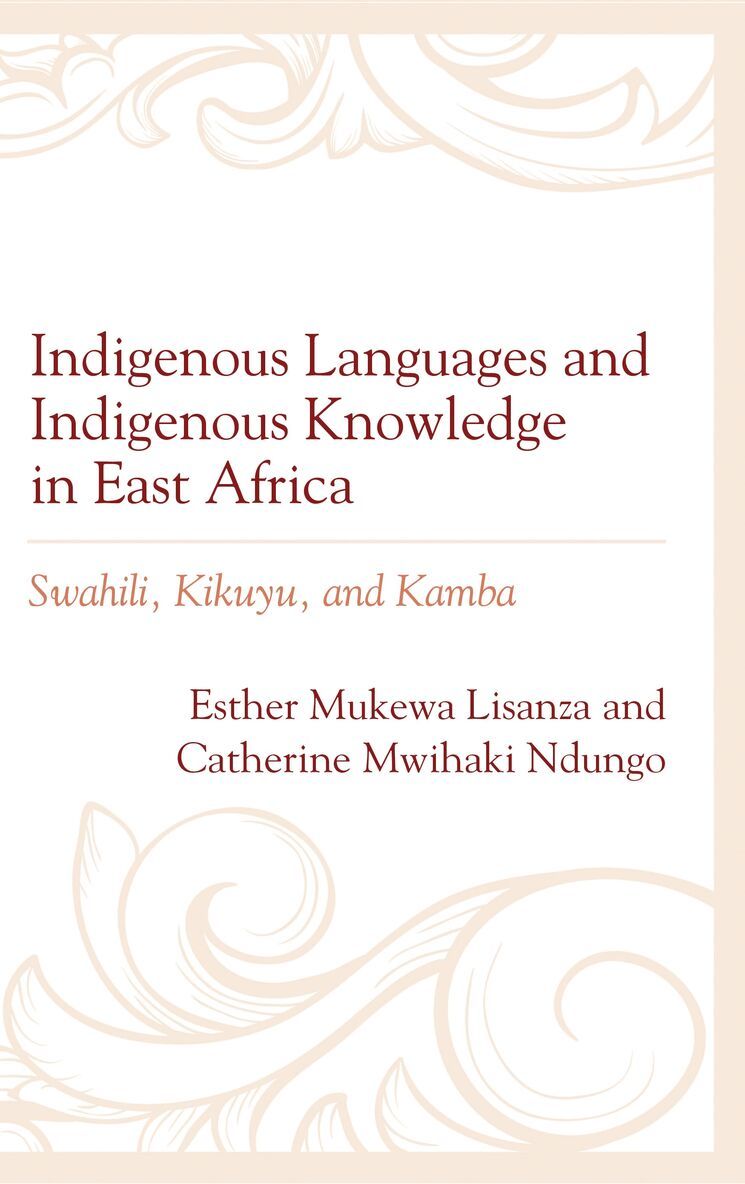
Indigenous Languages and Indigenous Knowledge in East Africa
Swahili, Kikuyu, and Kamba
Av Esther Mukewa Lisanza, Catherine Mwihaki Ndungo
Inbunden, 2024
1204 kr
Lägg i varukorg
In Indigenous Languages and Indigenous Knowledge in East Africa: Swahili, Kikuyu, and Kamba, Esther Mukewa Lisanza and Catherine Mwihaki Ndungo argue that African languages and indigenous knowledge forms are the tools which have made African communities such as Swahili, Kikuyu, and Kamba thrive for …
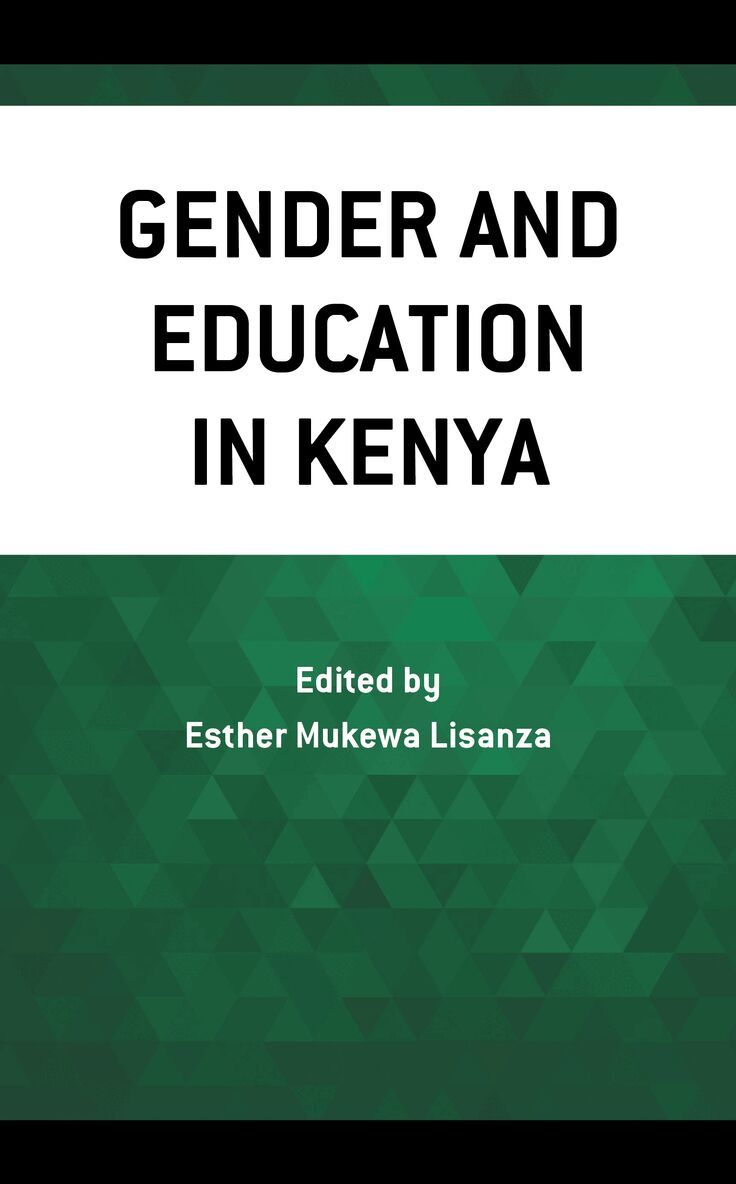
Gender and Education in Kenya
Inbunden, 2021
1170 kr
Lägg i varukorg
Gender and Education in Kenya explores the intersections of curriculum, pedagogy, policy, and gender. The contributors study depictions of gender in textbooks, the presence and roles of girls and women within classrooms in Kenya, and female leadership in education, arguing that, despite recent …
African Languages and Literatures in the 21st Century
Av Esther Mukewa Lisanza, Leonard Muaka
Inbunden, 2019
1438 kr
Lägg i varukorg
This edited book examines the crucial role still played by African languages in pedagogy and literatures in the 21st century, generating insights into how they effectively serve cultural needs across the African continent and beyond. Boldly positioning African languages as key resources in the 21st …
African Languages and Literatures in the 21st Century
Av Leonard Muaka, Esther Mukewa Lisanza
E-bok, 2019
1251 kr
Lägg i varukorg
This edited book examines the crucial role still played by African languages in pedagogy and literatures in the 21 st century, generating insights into how they effectively serve cultural needs across the African continent and beyond. Boldly positioning African languages as key resources in the 21 …
African Languages and Literatures in the 21st Century
Av Esther Mukewa Lisanza, Leonard Muaka
Häftad, 2020
1021 kr
Lägg i varukorg
This edited book examines the crucial role still played by African languages in pedagogy and literatures in the 21st century, generating insights into how they effectively serve cultural needs across the African continent and beyond. Boldly positioning African languages as key resources in the 21st …
Multivoices of Kenyan Primary School Children Learning to Read and Write
Inbunden, 2020
551 kr
Lägg i varukorg
This book provides a rich and nuanced examination of children learning to read and write a second language in primary schools in Kenya, taught by teachers who themselves have often learned English as a second or third language. The author uses two case studies, of an urban and a rural school, to …
Multivoices of Kenyan Primary School Children Learning to Read and Write
E-bok, 2020
755 kr
Lägg i varukorg
This book provides a rich and nuanced examination of children learning to read and write a second language in primary schools in Kenya, taught by teachers who themselves have often learned English as a second or third language. The author uses two case studies, of an urban and a rural school, to …
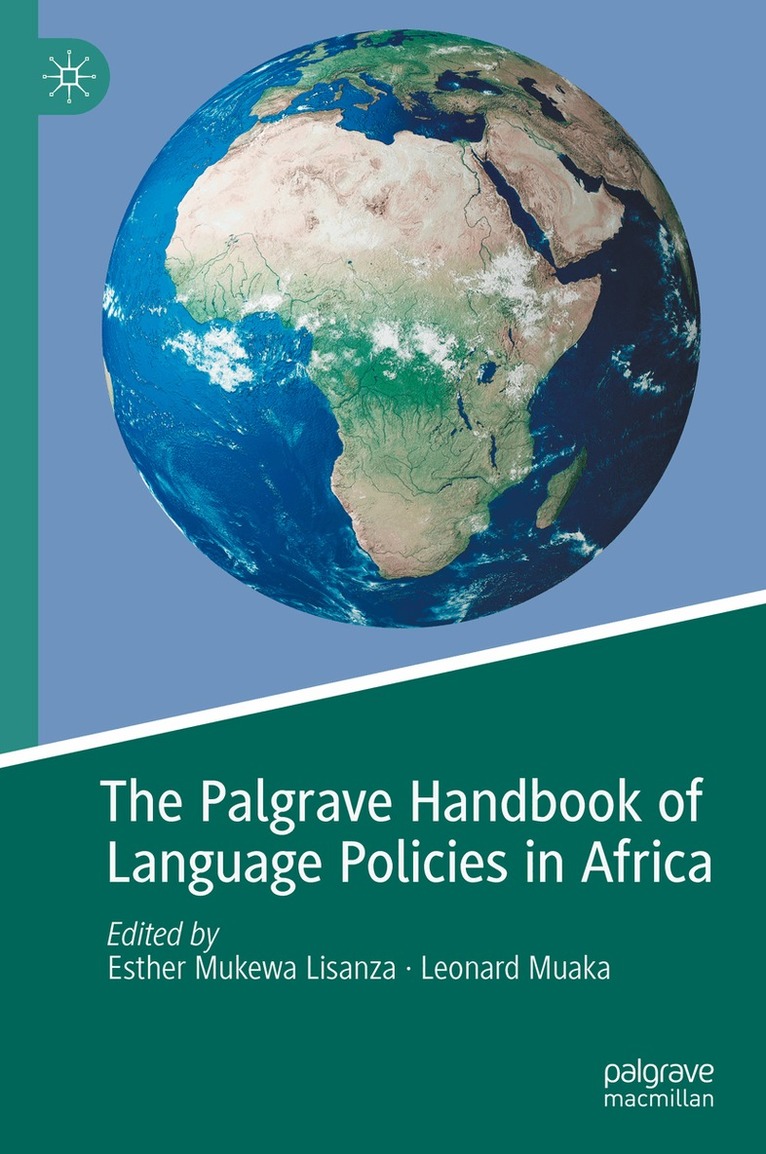
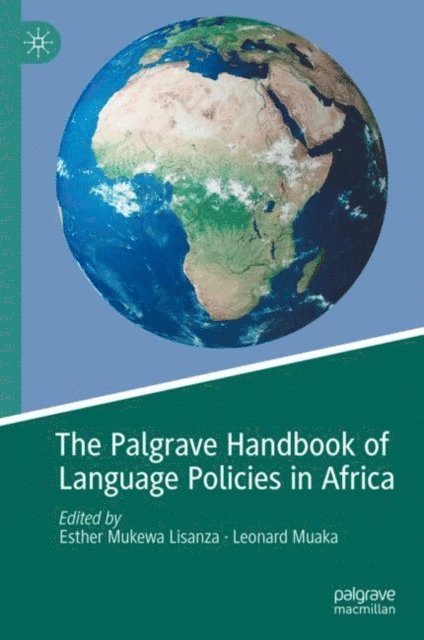
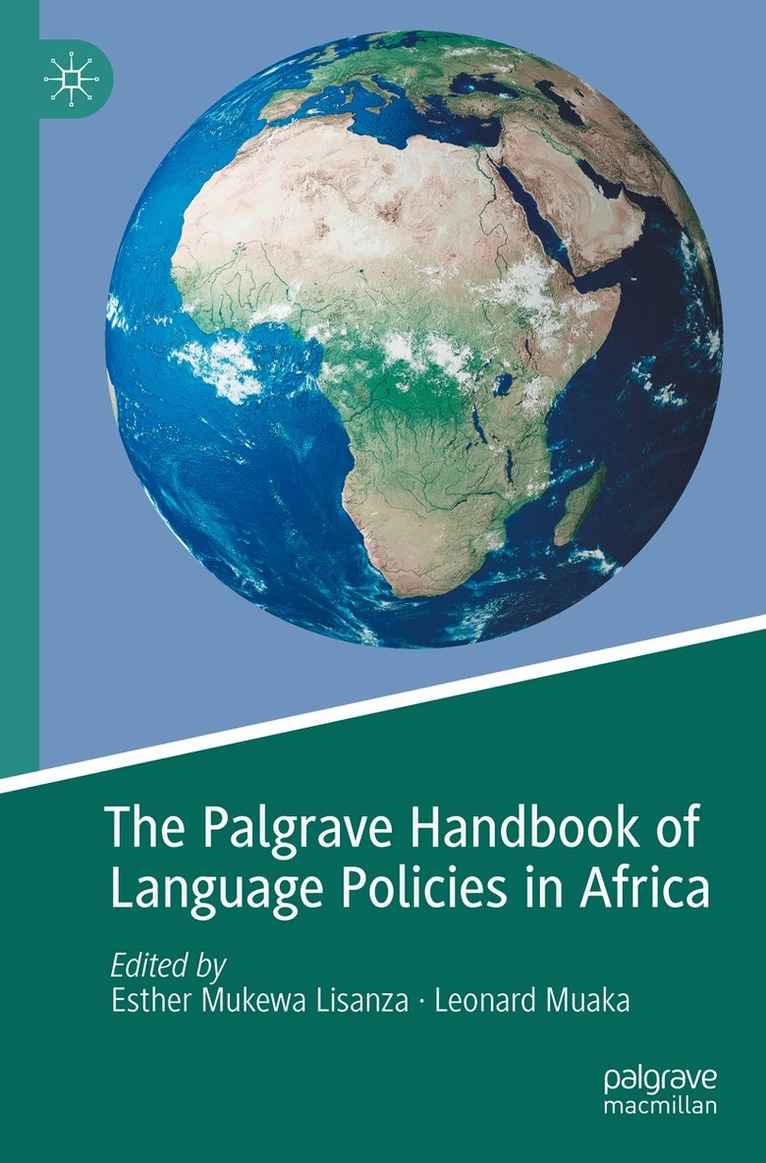
Palgrave Handbook of Language Policies in Africa
Av Esther Mukewa Lisanza, Leonard Muaka
Inbunden, 2024
2651 kr
Kommande
This handbook explores language policies and their impacts in Africa, examining the different language policies in each country from pre-colonial to post-colonial times. Most African countries are multilingual, apart from a handful which are said to be quasi-monolingual. The authors in this …
Palgrave Handbook of Language Policies in Africa
Av Leonard Muaka, Esther Mukewa Lisanza
E-bok, 2024
3567 kr
Lägg i varukorg
This handbook explores language policies and their impacts in Africa, examining the different language policies in each country from pre-colonial to post-colonial times. Most African countries are multilingual, apart from a handful which are said to be quasi-monolingual. The authors in this …
Palgrave Handbook of Language Policies in Africa
Av Esther Mukewa Lisanza, Leonard Muaka
Häftad, 2025
2651 kr
Lägg i varukorg
This handbook explores language policies and their impacts in Africa, examining the different language policies in each country from pre-colonial to post-colonial times. Most African countries are multilingual, apart from a handful which are said to be quasi-monolingual. The authors in this …