Esther Somfalvy – författare
Visar alla böcker från författaren Esther Somfalvy. Handla med fri frakt och snabb leverans.
4 produkter
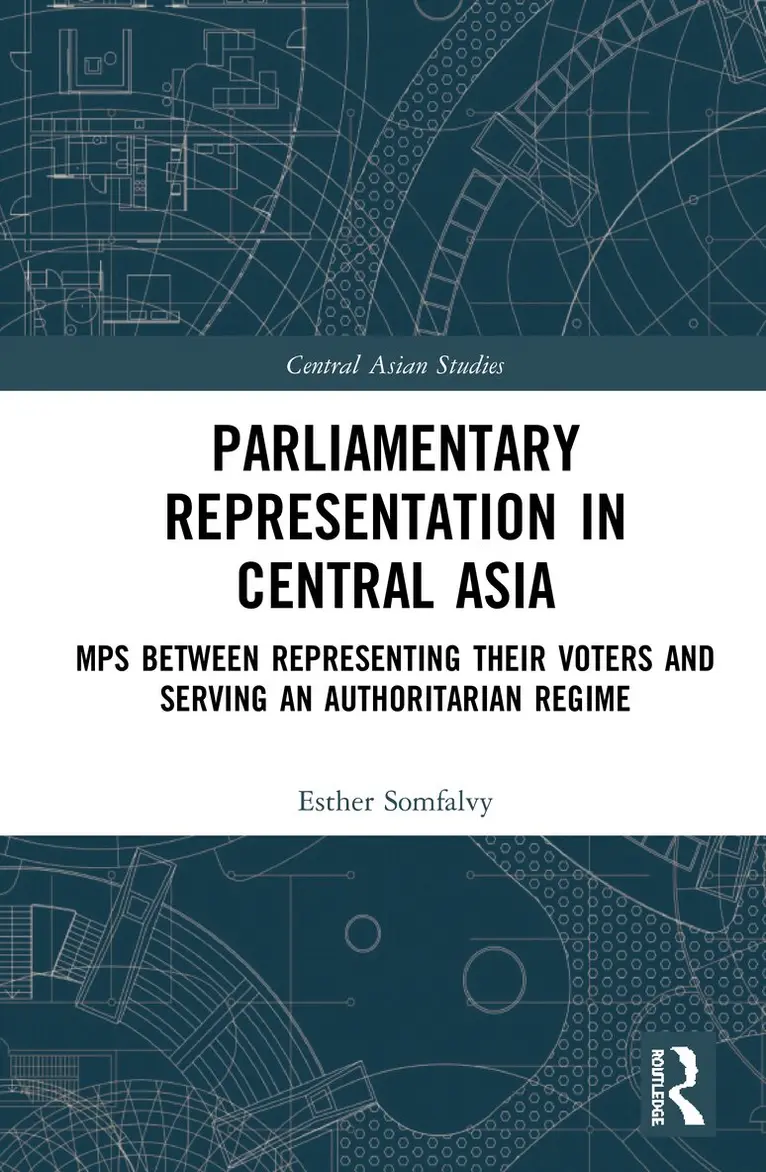
Parliamentary Representation in Central Asia
MPs Between Representing Their Voters and Serving an Authoritarian Regime
Inbunden, 2020
2738 kr
Lägg i varukorg
This book explores the nature of parliamentary representation within the autocratic regimes of Kazakhstan and Kyrgyzstan. It argues that although many parliaments are elected under flawed or non-competitive elections, autocratic governments are nevertheless aware of the need to appear …
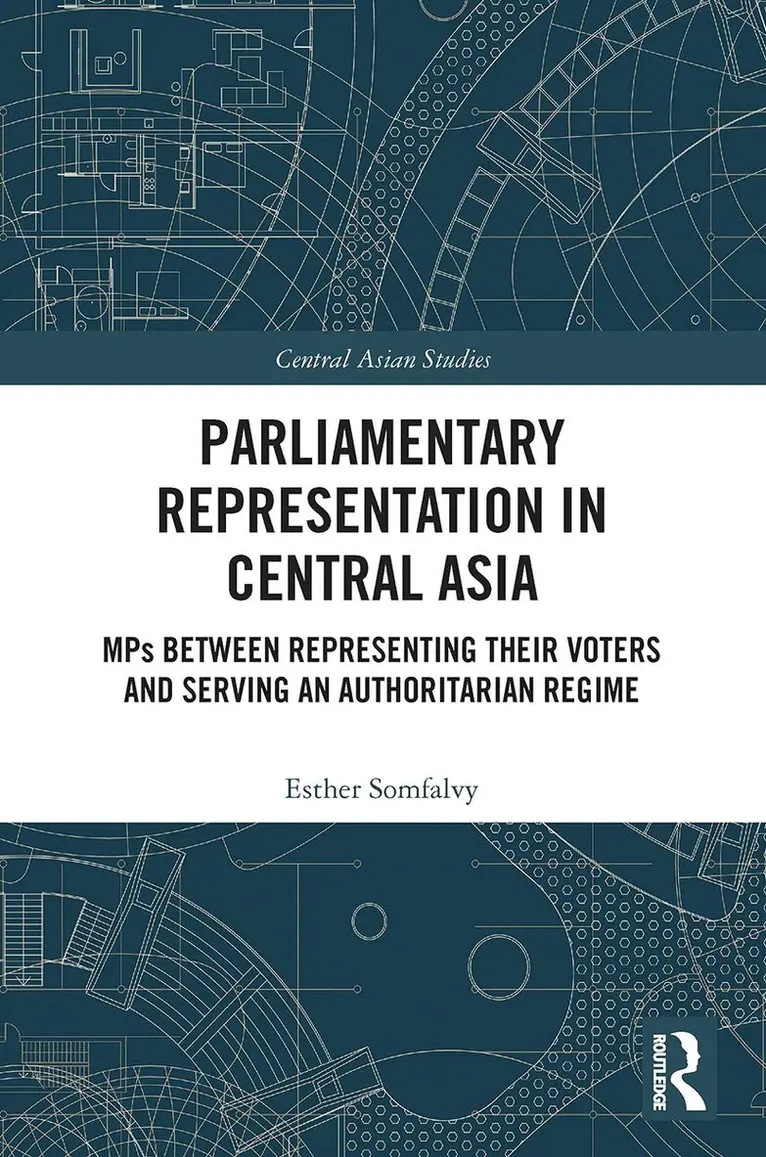
Parliamentary Representation in Central Asia
MPs Between Representing Their Voters and Serving an Authoritarian Regime
Häftad, 2022
690 kr
Lägg i varukorg
This book explores the nature of parliamentary representation within the autocratic regimes of Kazakhstan and Kyrgyzstan. It argues that although many parliaments are elected under flawed or non-competitive elections, autocratic governments are nevertheless aware of the need to appear …
Parliamentary Representation in Central Asia
MPs Between Representing Their Voters and Serving an Authoritarian Regime
E-bok, 2020
796 kr
Lägg i varukorg
This book explores the nature of parliamentary representation within the autocratic regimes of Kazakhstan and Kyrgyzstan. It argues that although many parliaments are elected under flawed or non-competitive elections, autocratic governments are nevertheless aware of the need to appear …
Parliamentary Representation in Central Asia
MPs Between Representing Their Voters and Serving an Authoritarian Regime
E-bok, 2020
814 kr
Lägg i varukorg
This book explores the nature of parliamentary representation within the autocratic regimes of Kazakhstan and Kyrgyzstan. It argues that although many parliaments are elected under flawed or non-competitive elections, autocratic governments are nevertheless aware of the need to appear …