Etienne Terblanche – författare
Visar alla böcker från författaren Etienne Terblanche. Handla med fri frakt och snabb leverans.
3 produkter
3 produkter
1 550 kr
Skickas inom 10-15 vardagar
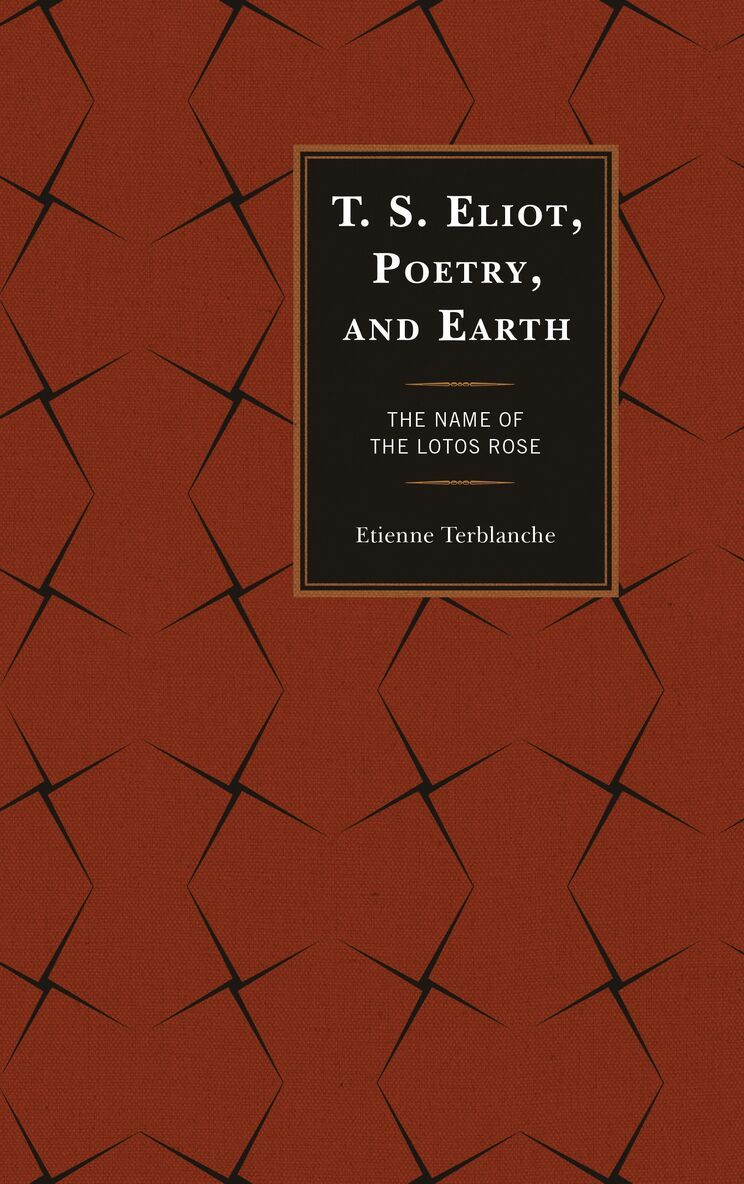
T. S. Eliot enjoyed a profound relationship with Earth. Criticism of his work does not suggest that this exists in his poetic oeuvre. Writing into this gap, Etienne Terblanche demonstrates that Eliot presents Earth as a process in which humans immerse themselves. The Waste Land and Four Quartets in particular re-locate the modern reader towards mindfulness of Earth’s continuation and one’s radical becoming within that process. But what are the potential implications for ecocriticism? Based on its careful reading of the poems from a new material perspective, this book shows how vital it has become for ecocriticism to be skeptical about the extent of its skepticism, to follow instead the twentieth century’smost important poet who, at the end of searing skepticism, finds affirmation of Earth, art, and real presence.
686 kr
Skickas inom 10-15 vardagar
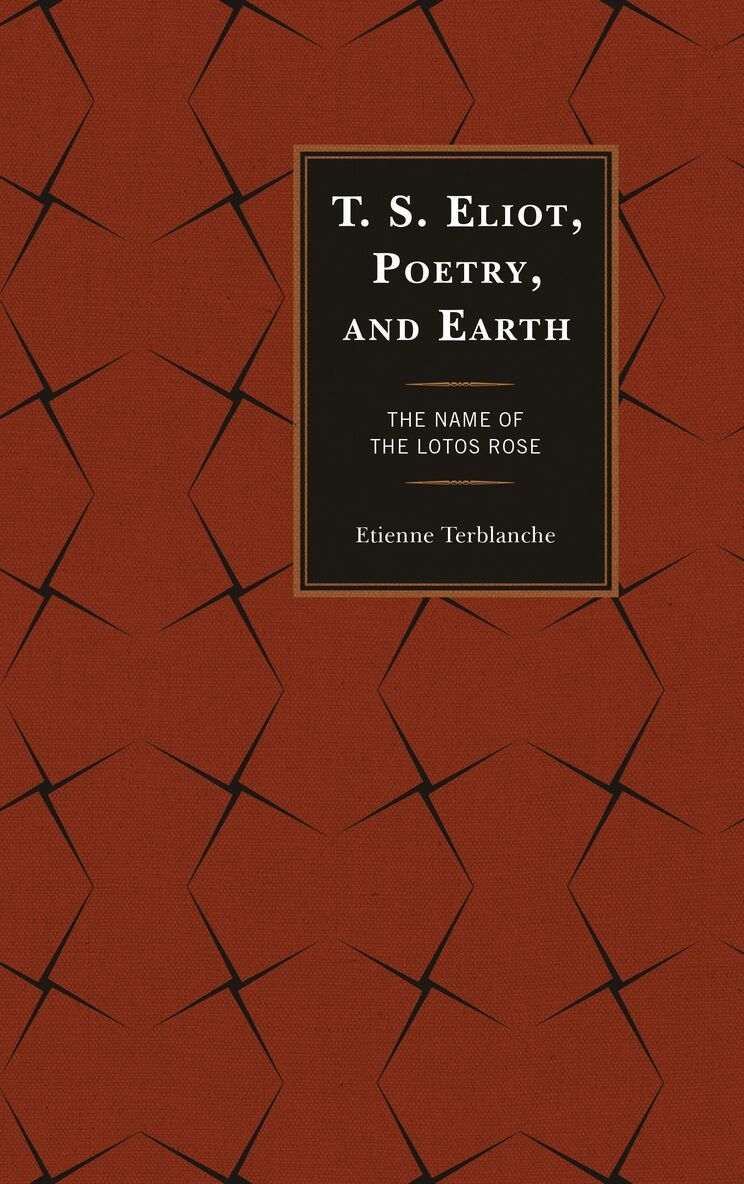
T. S. Eliot enjoyed a profound relationship with Earth. Criticism of his work does not suggest that this exists in his poetic oeuvre. Writing into this gap, Etienne Terblanche demonstrates that Eliot presents Earth as a process in which humans immerse themselves. The Waste Land and Four Quartets in particular re-locate the modern reader towards mindfulness of Earth’s continuation and one’s radical becoming within that process. But what are the potential implications for ecocriticism? Based on its careful reading of the poems from a new material perspective, this book shows how vital it has become for ecocriticism to be skeptical about the extent of its skepticism, to follow instead the twentieth century’smost important poet who, at the end of searing skepticism, finds affirmation of Earth, art, and real presence.
1 601 kr
Skickas inom 3-6 vardagar
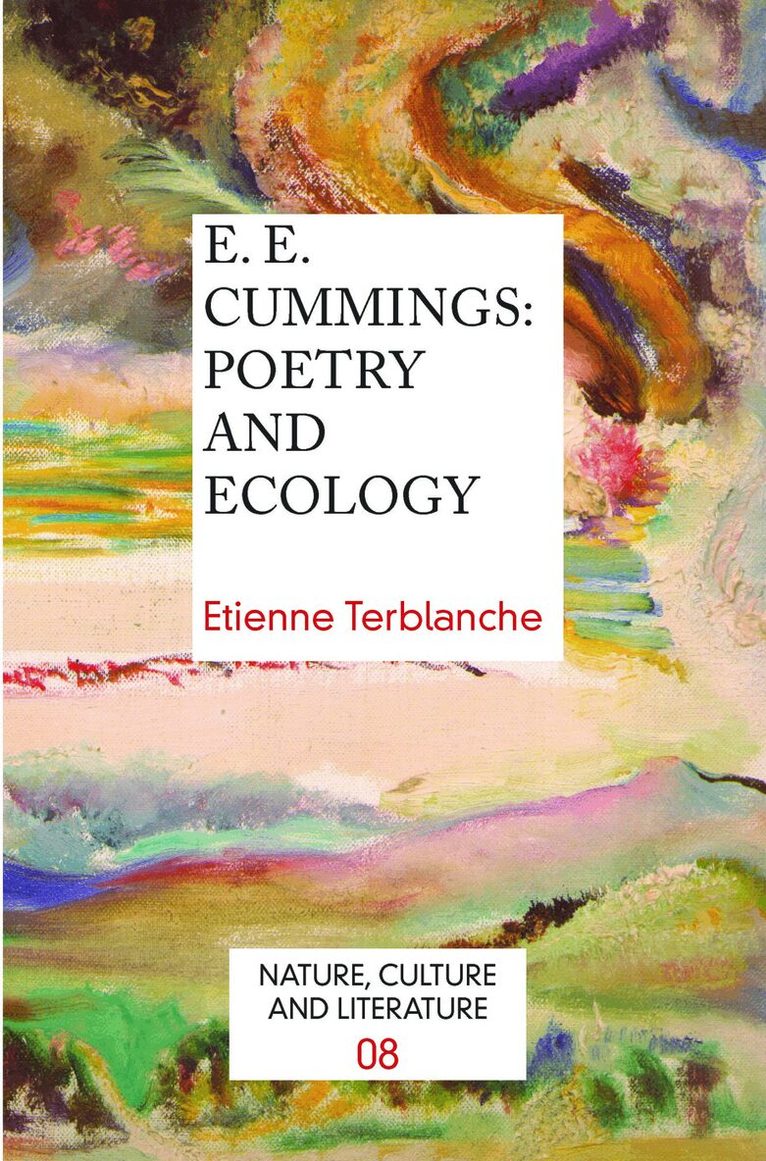
By employing the modernist devices of fragmentation, recombination, and accentuated blank space, E. E. Cummings engages singularly with being on earth. This ecological achievement was largely ignored by the New Critics, and the subsequent semiotic spirit which has been holding that the sign hardly has to do with concrete existence on earth ironically perpetuated the neglect. In this book Etienne Terblanche shows that Cummings’s ecology relocates his oeuvre and status in contemporary discourse. For, the poet follows, mimes, and connects with the unfolding changes of earthly existence and growth—what he views as the ‘Tao’ of being—in his lyricism, sex poems, satire, and visual-verbal poems. This is true especially of the elusive manner or ‘how’ of his poetry overall. Careful ecocritical reading of this active culture-nature integrity in his poetry brings about an imperative new understanding and placement of his project. It further serves to show that, in their different ways, T. S. Eliot and Ezra Pound engage with nature in a similar way, thus again accentuating the importance of Cummings’s poetic project to the neglected and vital ecocritical perception of modernism in poetry.