Eugene H. Casad – författare
Visar alla böcker från författaren Eugene H. Casad. Handla med fri frakt och snabb leverans.
5 produkter
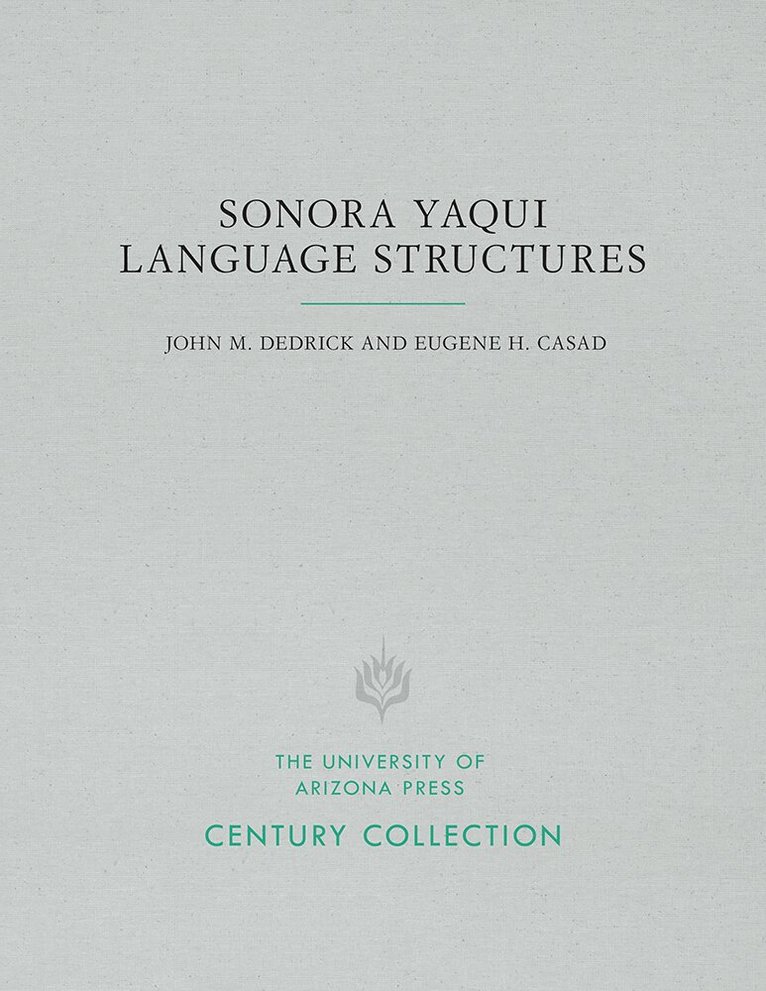
Sonora Yaqui Language Structures
Av John M. Dedrick, Eugene H. Casad
Häftad, 2019
511 kr
Lägg i varukorg
Yaqui is a Southern Uto-Aztecan language spoken by a people living predominantly in Sonora, with some communities in Arizona. This comprehensive reference on the Sonoran Yaqui language is a descriptive grammar that covers topics on phonology, word classes, verb structure, and complex sentences. …
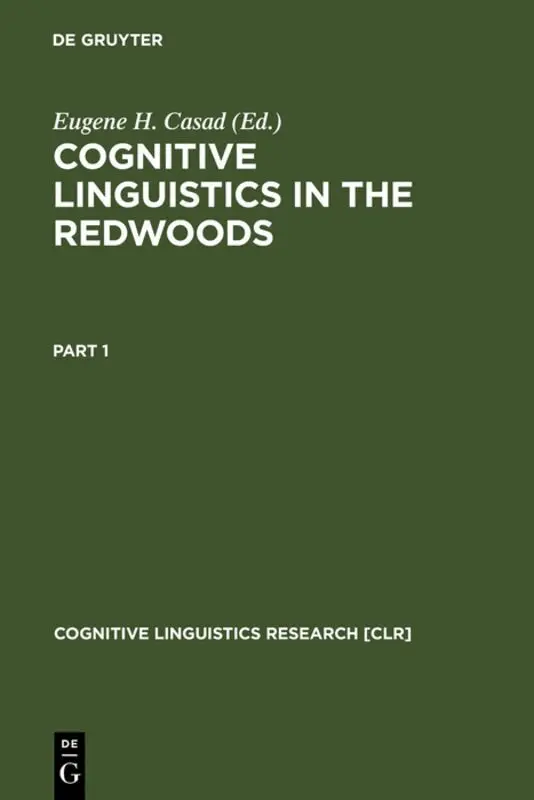
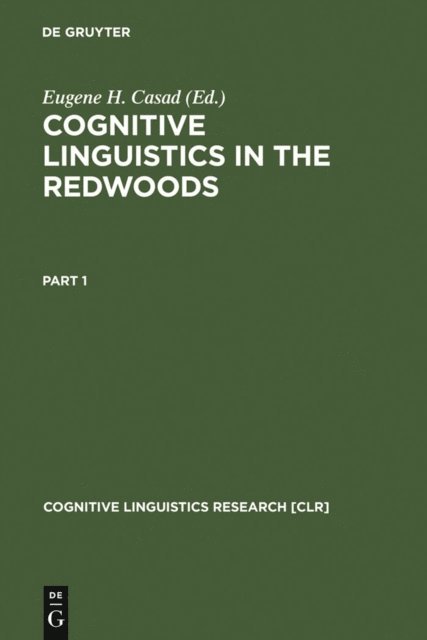
Cognitive Linguistics in the Redwoods
The Expansion of a New Paradigm in Linguistics
Inbunden, 1995
4227 kr
Lägg i varukorg
No detailed description available for "Cognitive Linguistics in the Redwoods".
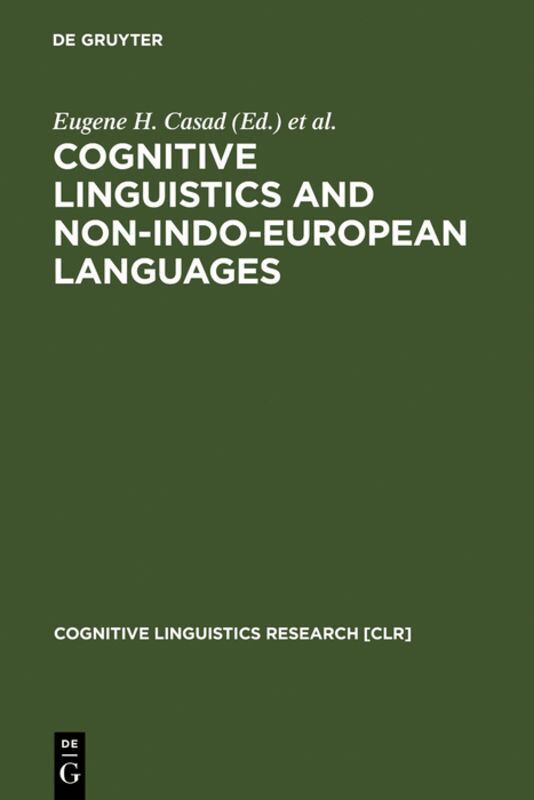
Cognitive Linguistics and Non-Indo-European Languages
Av Eugene H. Casad, Gary B. Palmer
Inbunden, 2003
2759 kr
Lägg i varukorg
This book applies the theory of cognitive linguistics to the analysis of a variety of grammatical phenomena in non-Indo-European languages. In previous studies of languages from non-Indo-European families, cognitive linguistics has been remarkably useful in explaining non-prototypical structures as …
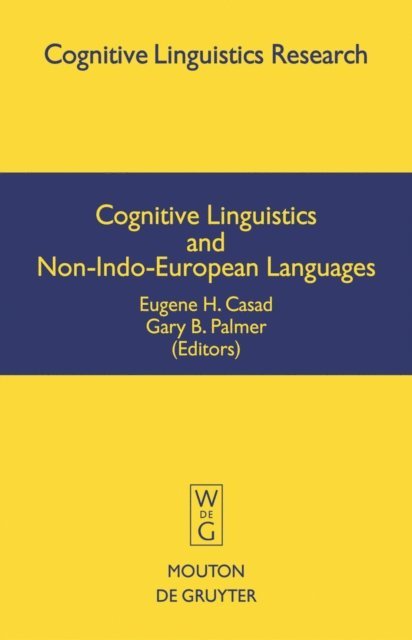
Cognitive Linguistics and Non-Indo-European Languages
Av Gary B. Palmer, Eugene H. Casad
E-bok, 2008
2732 kr
Lägg i varukorg
This book applies the theory of cognitive linguistics to the analysis of a variety of grammatical phenomena in non-Indo-European languages. In previous studies of languages from non-Indo-European families, cognitive linguistics has been remarkably useful in explaining non-prototypical structures as …
Cognitive Linguistics in the Redwoods
The Expansion of a New Paradigm in Linguistics
E-bok, 2011
4068 kr
Lägg i varukorg
No detailed description available for "e;Cognitive Linguistics in the Redwoods"e;.