Eugene Z. Stakhiv – författare
Visar alla böcker från författaren Eugene Z. Stakhiv. Handla med fri frakt och snabb leverans.
5 produkter
5 produkter
1 066 kr
Skickas inom 10-15 vardagar
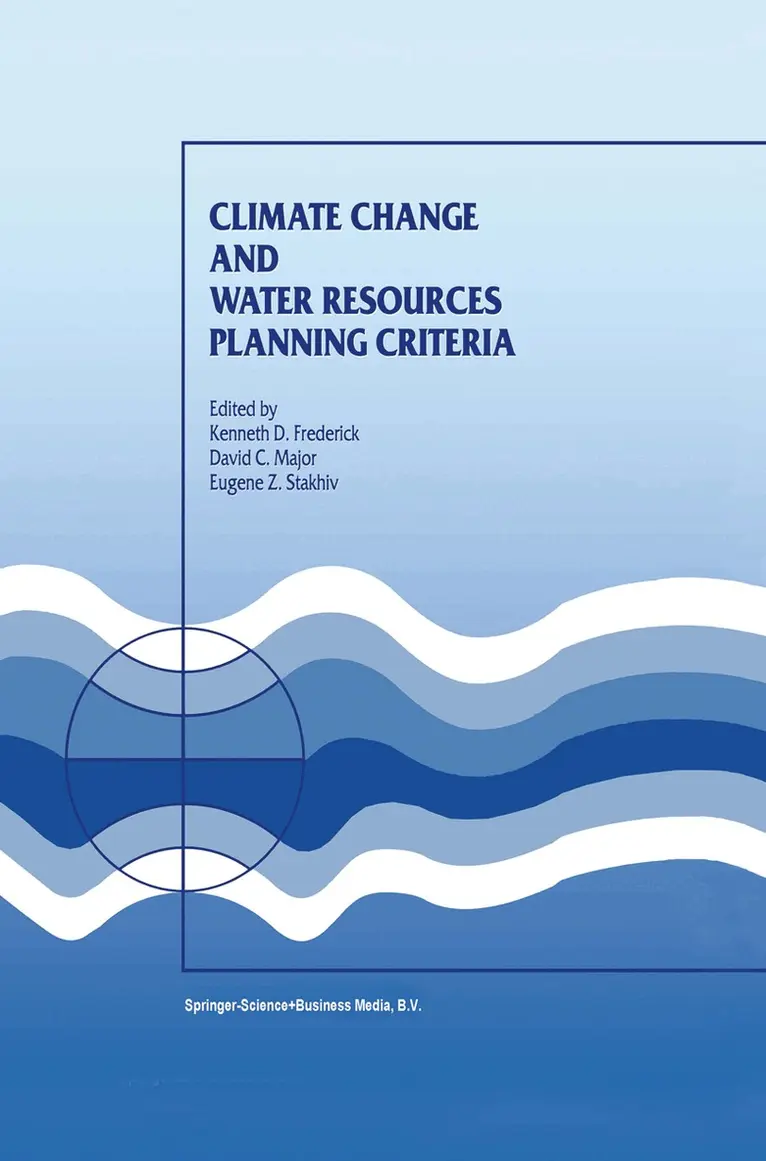
Global climate change is expected to have major impacts on water resources and aquatic ecosystems. This prospect presents planners, who are already struggling to meet the demands of growing populations and economies, with new challenges. This volume examines these challenges and the resulting conceptual issues for water planning and project evaluation practices. The book is the first attempt to consider whether and how water resources, planning principles and evaluation criteria should be altered in view of the potential impacts of anthropogenically induced climate change. The principles and procedures that are in use today along with approaches to nonstructural flood plain management, watershed management, water markets, and wetland banking should serve as the basis for the policies and strategies that deal with climate variability and anticipated change. This collection of papers reviews what water management ideas work, which ones need to be changed, and how planners and managers should begin incorporating aspects of risk and uncertainty into management decisions to deal expertly with climate change.
1 596 kr
Skickas inom 10-15 vardagar
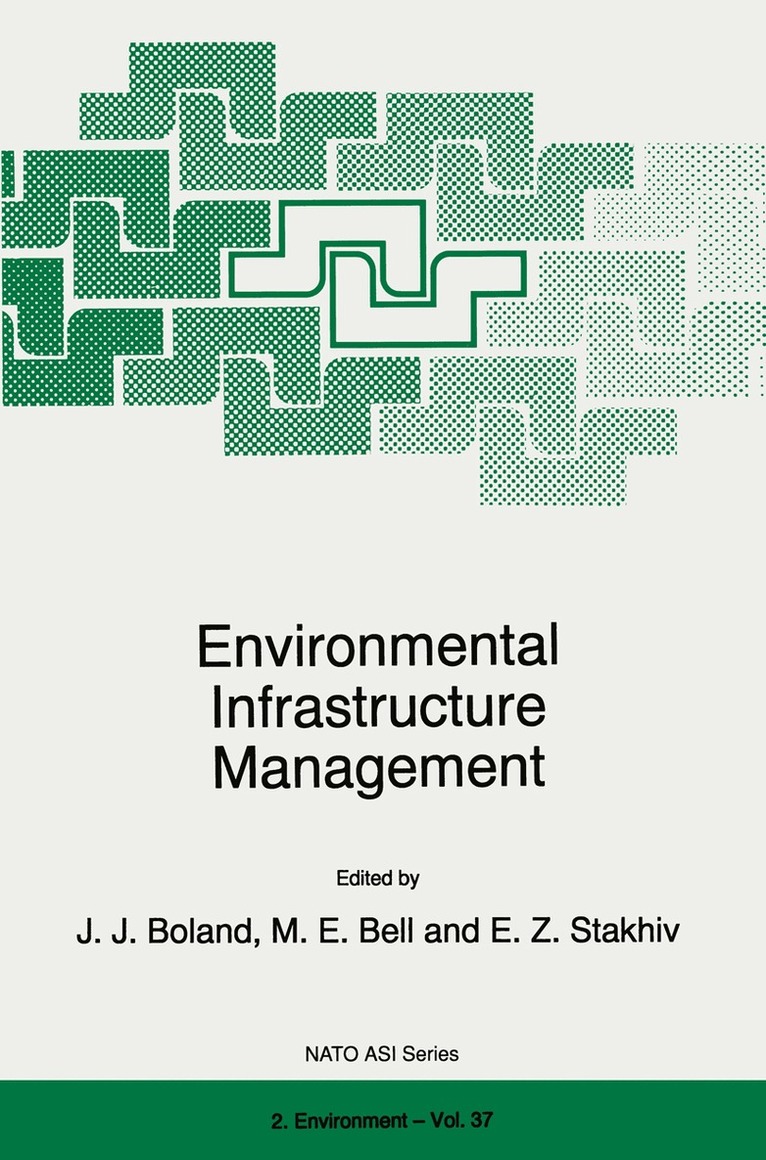
Environmental issues continue to burden governments and economies throughout the post-communist countries of Central and Eastern Europe and the newly-independent states of the former Soviet Union. Severe environmental degradation is endemic to the region, the existing environmental infrastructure is often inadequate, significant new investment is perhaps decades away, and there is little knowledge of advanced techniques for impact assessment, project evaluation and project financing. The first two papers in this collection survey available cost-effective technology for solid-waste treatment and air-pollution control, providing guidance for possible incremental additions to the existing infrastructure. There is also a discussion of transferable pollution credits as an instrument in regulating air quality. The treatment of economic incentives embraces user fees and other pollution-control instruments. A range of methods are presented for the evaluation and comparison of alternative projects where data is poor or scarce.The Canadian experience with specific capital-budgeting techniques is given detailed attention, and debt-financing strategies are addressed in the context of present-day Ukraine. Finally, an outline is given of a general framework for making decisions about environmental projects, including the use of 4nvironmental-impact assessments.
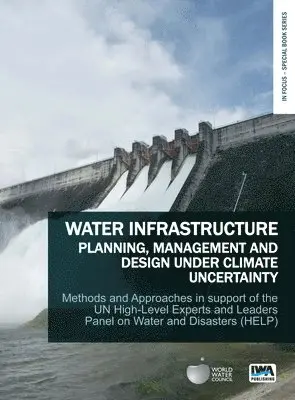
Water Infrastructure Planning, Management and Design Under Climate Uncertainty
Methods and Approaches in Support of the UN High-Level Experts and Leaders Panel on Water and Disasters (HELP)
Häftad, Engelska, 2022
1 822 kr
Tillfälligt slut
This book is the product of a worldwide collaboration among UN water resources programs, prominent national water resources operating agencies and selected academic specialists. It deals directly with some of the most difficult problems water engineers, managers and decision makers face when designing and implementing water resources infrastructure under new patterns of climate variability. Projecting the probabilities and risks associated with such events has traditionally been central to water resources planning and modeling. Such projections have been keys to social, environmental, economic, and financial investment decisions making. However, our contemporary world has called into question some of the traditional methods and approaches to formulating such projections. This collection provides practical grounding in selected advances already in place and practiced by leading institutions; advances that could be readily adapted by the water resources engineering and design professionals to better deal with risk and uncertainty in a non-stationary climate world. We believe this book opens important venues which can help to enhance the water and climate dialogues worldwide.
1 071 kr
Skickas inom 10-15 vardagar
Global climate change is expected to have major impacts on water resources and aquatic ecosystems. This prospect presents planners, who are already struggling to meet the demands of growing populations and economies, with new challenges. This volume examines these challenges and the resulting conceptual issues for water planning and project evaluation practices. The book is the first attempt to consider whether and how water resources, planning principles and evaluation criteria should be altered in view of the potential impacts of anthropogenically induced climate change. The principles and procedures that are in use today along with new approaches to nonstructural flood plain management, watershed management, water markets, and wetland banking will serve as the basis for the policies and strategies that deal with climate variability and anticipated change. This collection of papers reviews what water management ideas work, which ones need to be changed, and how planners and managers should begin incorporating aspects of risk and uncertainty into management decisions to deal expertly with climate change.
1 603 kr
Skickas inom 10-15 vardagar
Environmental issues continue to burden governments and economies throughout the post-communist countries of Central and Eastern Europe and the newly independent states of the former Soviet Union. Severe environmental degradation is endemic to the region, the existing environmental infrastructure is often inadequate, significant new investment is perhaps decades away, and there is little knowledge of advanced techniques for impact assessment, project evaluation, and project financing. The first two papers of Environmental Infrastructure Management survey available cost-effective technology for solid waste treatment and air pollution control, providing guidance for possible incremental additions to existing infrastructure. There is also a discussion of transferable pollution credits as an instrument in regulating air quality. The discussion of economic incentives also embraces user fees and other pollution control instruments. A range of methods is presented for the evaluation and comparison of alternative projects where data are poor or scarce. Canadian experience with specific capital budgeting techniques is given comprehensive attention.Debt financing strategies are addressed in the context of present-day Ukraine. Finally, an outline is given of a general framework for making decisions about environmental projects, including the use of environmental impact assessments.