Eugenia C Kiesling – författare
Visar alla böcker från författaren Eugenia C Kiesling. Handla med fri frakt och snabb leverans.
2 produkter
2 produkter
Häftad, Engelska, 2017
351 kr
Skickas inom 5-8 vardagar
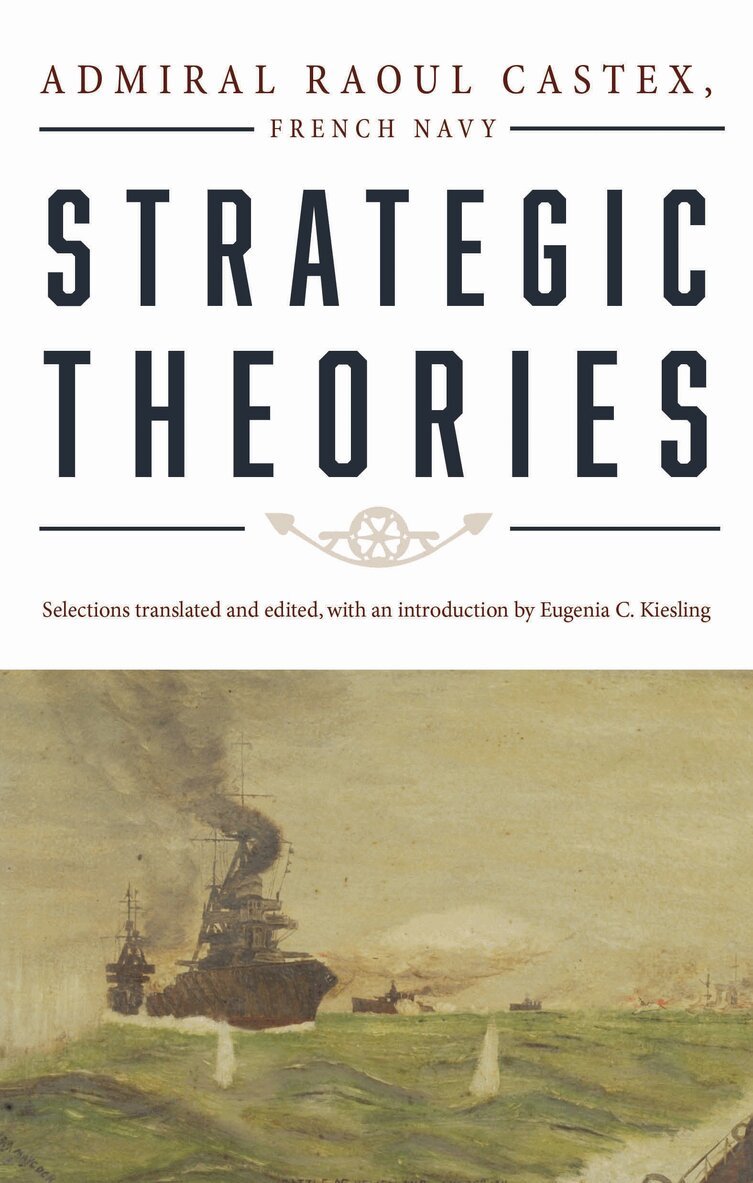
Admiral Raoul Castex is France's most important modern naval strategist. Military historian Eugenia Kiesling offers the essence of Castex's original five volume study, Théories Stratégiques, in a useful one-volume abridgment and a very readable translation. It emphasizes the admiral's method of strategic analysis while omitting most of the historical narrative. Included are chapters defining strategy and relating it to policy and geography, analyzing the role of maritime forces and the significance of command at sea, prescribing a theory of conduct of operations, and introducing Castex's favorite themes: strategic manoeuvre, stratégie générale, and the theory of "perturbation."Two narrative chapters on German operations in the North Sea from 1914 to 1916 remain as examples of the author's historical style. The introduction places Castex's work in four distinct contexts: the international debate among naval theorists on the nature and importance of "command at sea," the controversy within France between advocates of the "historical" and "material" schools of naval strategy, the contemporary concern over coordinated naval strategy for total war, and his contribution to the formulation of French strategy between the world wars. In an era of expanding global responsibilities and shrinking national economies, Castex's balanced view of naval power offers many insights for today's new generation of naval thinkers.
Häftad, Engelska, 1996
331 kr
Skickas inom 10-15 vardagar
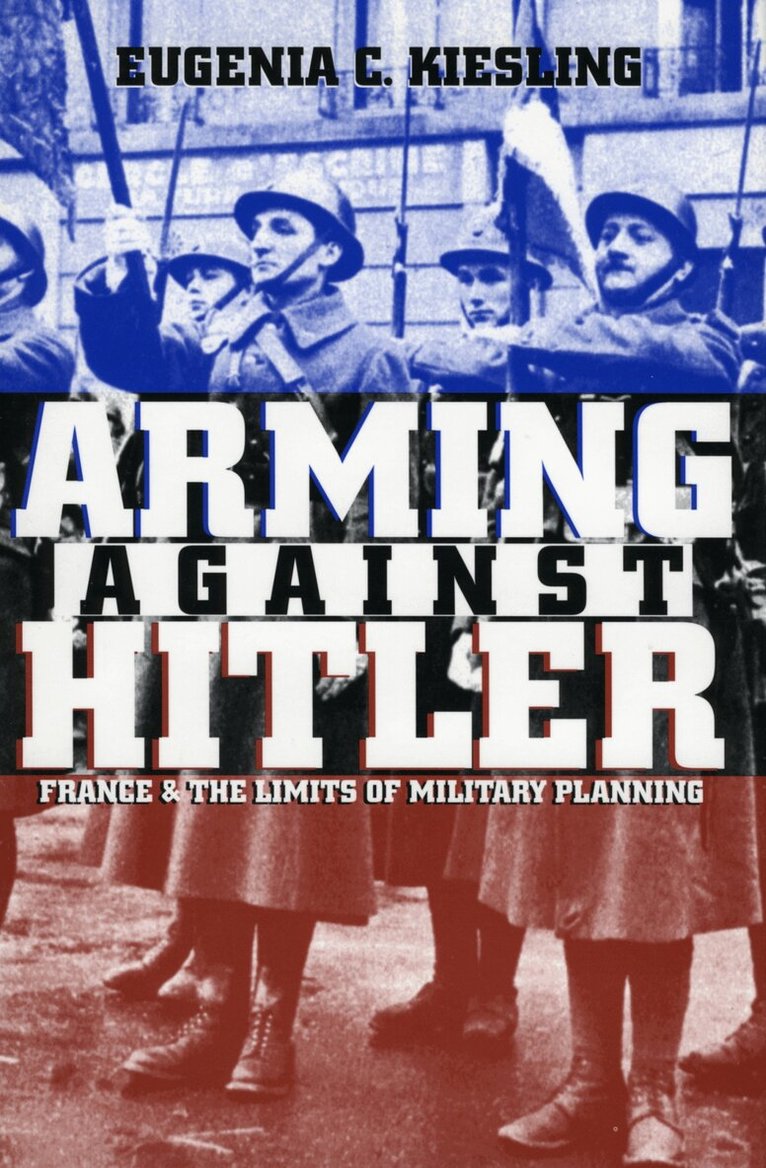
In May-June 1940 the Germans demolished the French Army, inflicting more than 300,000 French casualties, including more than 120,000 dead. While many historians have focused on France's failure to avoid this catastrophe, Kiesling is the first to show why the French had good reason to trust that their prewar defense policies, military doctrine, and combat forces would preserve the nation.Kiesling argues that France's devastating defeat was a consequence neither of blindness to the German military threat nor of paralysis in the face of it. Grimly aware of the need to prepare for another war with its arch enemy, French leaders created defense preparations and military doctrines in which they felt confident. Rather than simply focusing on what went wrong, Kiesling examines the fundamental logic of French defense planning within its cultural, institutional, political, and military contexts. In the process, she provides much new material about the inner workings of the French military, its relations with civilian leaders, its lack of adaptability, and its overreliance on an army reserve that was poorly organized, trained, and led. Ultimately, she makes a persuasive case for France's defense options and offers a useful warning about the utility of the ""lessons of history.""The lesson for contemporary policymakers and strategists, Kiesling suggests, is not that the French made mistakes but that nations and armies make policy and strategy under severe constraints. Her study forcefully reminds us how hindsight can blind us to the complexities of preparing for every next war.